Oil Pulling Consistency: Your 2026 Guide to Real Results
Oil pulling consistency refers to the regular practice of swishing approximately one tablespoon of edible oil in the mouth for 10–20 minutes, performed several times per week to support oral health. The term covers three things at once: how often you practice, how long each session lasts, and whether your technique stays correct over time. Research from 2026 randomized controlled trials shows that people who practice oil pulling regularly see meaningful reductions in plaque and gingival bleeding within 7–21 days. Sporadic use produces little measurable benefit. The American Dental Association does not endorse oil pulling as a replacement for brushing and flossing, but consistent practice as a complement to standard oral hygiene shows real promise.
What is oil pulling consistency, and why does it matter?
Oil pulling consistency is defined by three variables working together: session duration, weekly frequency, and correct swishing technique. Miss any one of them, and your results will be inconsistent too.
The core mechanism is mechanical. Swishing produces shearing forces that dislodge debris and reduce bacterial load in the mouth, regardless of which oil you use. That means the physical act of swishing matters more than any chemical property of the oil itself. Skipping sessions breaks the mechanical cleaning cycle before it can produce lasting change.
Consistent, regular practice three or more times weekly sustains benefits, while sporadic use limits outcomes. Think of it like flossing. Doing it once a week does not protect your gums the way daily or near-daily practice does. The habit structure matters as much as the individual session.
What is the optimal duration and frequency for oil pulling?
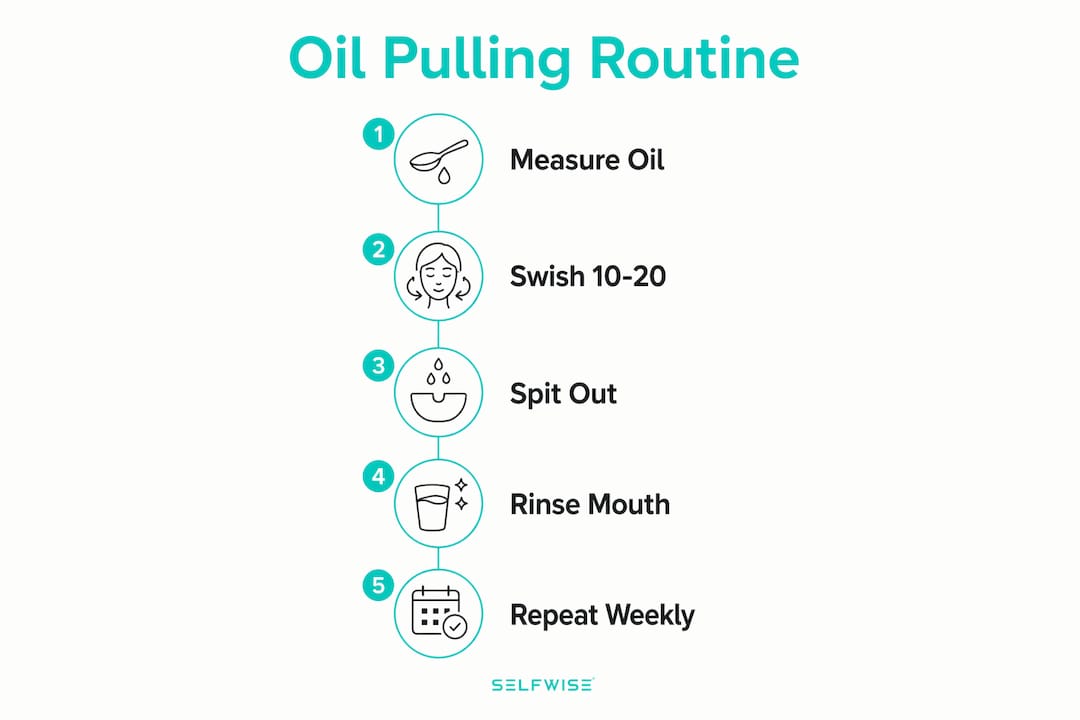
The standard recommendation is to swish one tablespoon of oil for 10–20 minutes per session, 3–7 times per week. That range gives you flexibility while keeping the practice safe and effective.
Duration matters, but more is not better. Swishing beyond 20 minutes increases the risk of jaw fatigue and, in rare cases, aspiration pneumonia without adding any measurable oral health benefit. The 10–20 minute window is the sweet spot confirmed by clinical evidence.
Frequency matters more than hitting a perfect daily streak. Benefits accumulate over weeks of regular practice, and missing one day does not erase your progress. The goal is a sustainable rhythm, not a rigid daily obligation.
Key guidelines for each session:
- Use one tablespoon of cold-pressed, edible oil
- Swish gently for 10–20 minutes
- Practice 3–7 times per week, ideally in the morning before eating
- Spit the oil into a trash can, never down the drain
- Rinse your mouth with water, then brush as normal
Pro Tip: Start with 5 minutes per session if 10 minutes feels like too much. Build up gradually over two weeks. Jaw comfort improves with practice, and a shorter consistent session beats a longer session you quit after three days.
Which oils work best for oil pulling?
The best oils for oil pulling are coconut, sesame, and sunflower. Each brings different properties to the practice, and your choice affects both comfort and effectiveness.
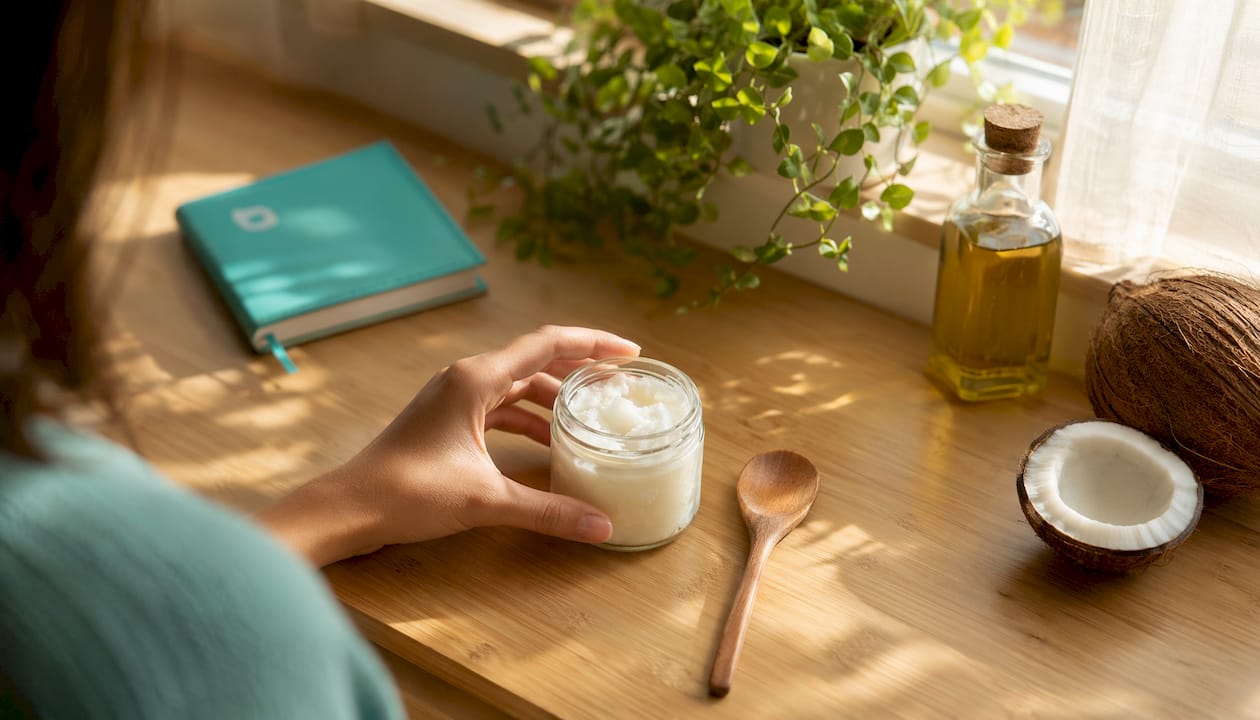
Coconut oil contains lauric acid, a fatty acid with well-documented antimicrobial effects against common oral pathogens. Sesame oil contains polyunsaturated fatty acids and vitamin E, which contribute anti-inflammatory properties. Sunflower oil is mild and neutral, making it a good starting point for people new to the practice.
Oil viscosity also affects technique. Thicker oils like coconut oil solidify at room temperature, which means they melt in your mouth during the first minute of swishing. That phase change is normal and does not reduce effectiveness. Thinner oils like sunflower feel easier to swish from the start, which some people find more comfortable for longer sessions.
| Oil | Key property | Best for |
|---|---|---|
| Coconut | Lauric acid, antimicrobial | General oral health support |
| Sesame | Vitamin E, anti-inflammatory | Gum sensitivity |
| Sunflower | Mild, neutral flavor | Beginners or sensitive palates |
Always choose cold-pressed, food-grade oil. Refined or processed oils lose many of the beneficial compounds that make the practice worthwhile.
Pro Tip: If coconut oil solidifies in your mouth and feels uncomfortable, warm the jar briefly in hot water before measuring your tablespoon. The oil will be liquid and easier to work with from the first swish.
How does oil pulling effectiveness compare to standard oral hygiene?
Oil pulling improves plaque and gingivitis scores, but it does not replace brushing and flossing. The American Dental Association is clear: oil pulling lacks scientific proof for cavity prevention or teeth whitening on its own. That position is not a dismissal of the practice. It is a reminder of where oil pulling fits in your routine.
Meta-analyses show modest improvements in plaque and gingival bleeding with regular oil pulling, though study quality is generally low and effects are similar to water rinsing in some trials. The mechanical action of swishing, not the oil’s chemistry, drives most of the benefit. That finding is actually useful. It means the habit of swishing consistently matters more than finding the “perfect” oil.
Oil pulling acts as a complementary wellness ritual that enhances oral hygiene mindfulness rather than replacing mechanical cleaning. Dentists who support the practice note that it draws attention to oral care and reinforces the habit of brushing and flossing. That behavioral effect is real and worth counting.
Most clinical trials on oil pulling are short-term. Long-term consistent effects remain unproven by current scientific standards. That gap in the research does not mean the practice is ineffective. It means the evidence base is still developing, and you should maintain your standard oral hygiene routine while practicing oil pulling.
| Oral hygiene method | Primary mechanism | ADA-endorsed |
|---|---|---|
| Brushing with fluoride toothpaste | Mechanical + chemical plaque removal | Yes |
| Flossing | Mechanical removal between teeth | Yes |
| Oil pulling | Mechanical swishing, bacterial reduction | No (complementary only) |
For a deeper look at how oil pulling affects gum tissue specifically, the research on oil pulling and gum health is worth reading before you start.
What practical tips build a lasting oil pulling habit?
The biggest barrier to oil pulling consistency is not motivation. It is poor habit design. People who succeed long-term attach oil pulling to an existing morning routine, usually right after waking and before eating or drinking anything.
Follow these steps to build a reliable routine:
- Set your oil out the night before. Removing friction from the morning makes it far easier to start.
- Pull while doing something else. Shower, read, or make coffee during your 10–20 minutes. Multitasking makes the time pass quickly.
- Start with three sessions per week. Trying to pull every day from the start often leads to burnout. Three times weekly is sustainable and still effective.
- Spit into a trash can lined with a small bag. Used oil traps bacteria and toxins during swishing and solidifies at room temperature. Spitting it down the drain causes plumbing buildup over time.
- Rinse with water and brush immediately after. This removes any residual oil and bacteria from the mouth.
Avoid gargling. The oil should stay in the front and sides of the mouth, not the throat. Gargling increases aspiration risk without adding any benefit. Swallow nothing. The oil that comes out of your mouth after a session contains the bacteria and debris it picked up during swishing.
Pro Tip: Track your sessions for the first three weeks with a simple checkmark on a calendar. Seeing a visual streak builds momentum and makes it much easier to stay consistent past the initial novelty phase.
For a complete step-by-step breakdown of building an oil pulling morning routine, Selfwisebrand has a practical guide that walks through the full process.
Key Takeaways
Oil pulling consistency, defined by regular sessions of 10–20 minutes several times per week with correct technique, produces better oral health outcomes than any single perfect session.
| Point | Details |
|---|---|
| Duration sweet spot | Swish for 10–20 minutes per session; going beyond 20 minutes adds risk, not benefit. |
| Frequency over perfection | Practicing 3–7 times weekly builds lasting results; sporadic use produces little change. |
| Mechanical action drives results | Swishing force reduces bacteria and plaque regardless of which oil you choose. |
| Not a replacement | Oil pulling complements brushing and flossing; it does not replace either, per the ADA. |
| Safe disposal matters | Spit used oil into the trash, not the drain, to avoid ingestion and plumbing damage. |
Why consistency beats intensity every time
I have watched people approach oil pulling the same way they approach a new diet: go hard for two weeks, then drop it entirely. They pull for 25 minutes every morning, use the most expensive cold-pressed oil they can find, and expect dramatic results by the end of the month. When the results feel modest, they quit.
The research does not support that approach, and neither does my experience. The people who see the most noticeable improvements are the ones who pull three or four times a week for months, not the ones who sprint for three weeks and stop. Consistency compounds. A modest habit maintained for 90 days outperforms an intense habit maintained for 21 days every single time.
The other thing I think gets undervalued is the mindfulness angle. Dentists open to oil pulling consistently note that it promotes attention to oral care and reinforces the habit of brushing and flossing. That is not a small thing. Most oral health problems come from inconsistent hygiene, not from using the wrong product. Anything that keeps you engaged with your mouth every morning is doing real work.
My honest recommendation: pick a comfortable oil, commit to three sessions per week, and keep brushing and flossing as your foundation. Oil pulling is a meaningful addition to a natural oral care routine. It is not a shortcut, and it does not need to be.
— Viktor
Natural oral care that works alongside oil pulling
Oil pulling is one part of a complete natural oral care routine. What you do after you spit matters just as much as the swishing itself.
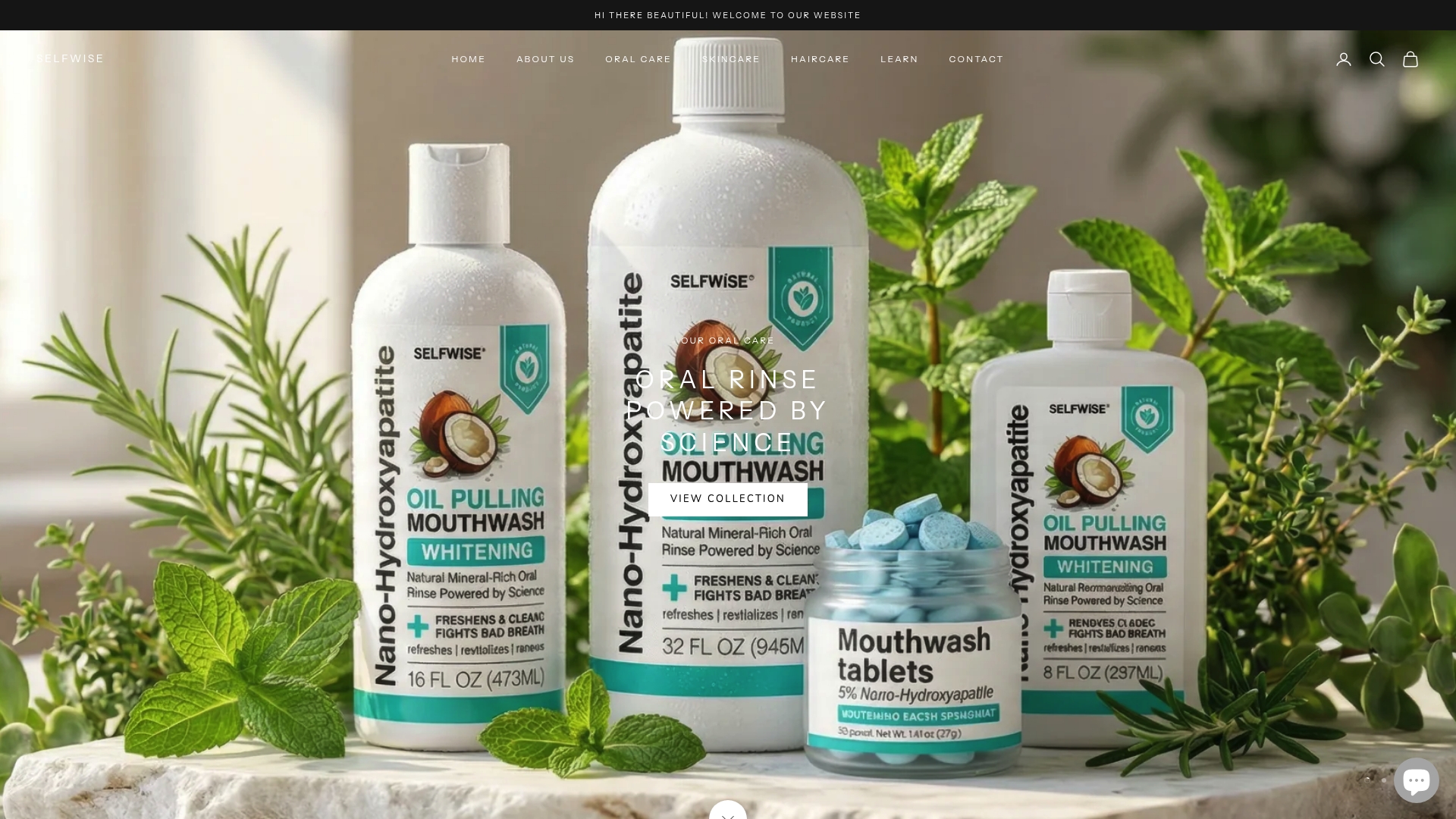
Selfwisebrand formulates natural oral care products designed to complement practices like oil pulling. The nano hydroxyapatite oil pulling mouthwash is built specifically for this routine, supporting enamel repair and oral freshness after each session. For people who want a broader natural oral care lineup, the full mouthwash collection includes fluoride-free options formulated with xylitol and nano hydroxyapatite. Simple ingredients, no harsh chemicals, and real support for the routine you are already building.
FAQ
What does oil pulling consistency mean?
Oil pulling consistency refers to practicing regularly, swishing one tablespoon of oil for 10–20 minutes at least 3 times per week, using correct technique each session. Regular practice over weeks produces better oral health results than occasional use.
How long does it take to see oil pulling results?
Clinical trials show measurable reductions in plaque and gingival bleeding after 7–21 days of regular practice. Results depend on session frequency and correct swishing technique.
Can you oil pull every day?
Daily oil pulling is safe for most people as long as sessions stay within 10–20 minutes. Exceeding 20 minutes per session increases jaw fatigue and aspiration risk without adding benefit.
What is the best oil for oil pulling?
Coconut, sesame, and sunflower oils are the most studied options. Coconut oil’s lauric acid content gives it antimicrobial properties, while sesame oil offers anti-inflammatory benefits from vitamin E and polyunsaturated fatty acids.
Does oil pulling replace brushing and flossing?
No. The American Dental Association states that oil pulling is not a substitute for brushing with fluoride toothpaste or flossing. It works best as a complementary step in a complete oral hygiene routine.