How to Swap Conventional Dental Products Naturally
You already read ingredient labels on your food. It makes sense that you’d start questioning what’s in your toothpaste and mouthwash too. The desire to swap conventional dental products naturally is growing fast, and for good reason. Triclosan, artificial sweeteners, synthetic foaming agents, and microplastics in dental packaging are legitimate concerns. But switching without a plan can leave you with a routine that feels clean and natural while quietly falling short on cavity protection. This guide gives you the evidence-informed path forward.
Table of Contents
- Key takeaways
- What you need to know before swapping
- Your product-by-product swap guide
- Safe homemade dental rinses and pastes
- Common mistakes when going natural
- Tracking your results after switching
- My honest take on the natural swap movement
- Build your natural routine with Selfwisebrand
- FAQ
Key takeaways
| Point | Details |
|---|---|
| Know your swap type | Distinguish between material swaps (bamboo brush) and ingredient swaps (fluoride vs. nano-hydroxyapatite) before changing your routine. |
| Nano-HA suits many users | Nano-hydroxyapatite toothpaste supports remineralization and sensitivity for low-to-moderate cavity risk individuals. |
| DIY rinses need rules | Homemade rinses are safe adjuncts when diluted properly and replaced every two to four days. |
| Avoid common abrasion risks | Overusing baking soda in DIY pastes can wear enamel over time. Moderation is non-negotiable. |
| Track your results actively | Monitor sensitivity, gum condition, and plaque at regular dental checkups after switching products. |
What you need to know before swapping
Before you toss every conventional product in your cabinet, it pays to understand what you’re actually working with. Not all swaps carry the same stakes.
There are two distinct categories to consider, and separating these categories protects you from confusion and disappointment. The first is a material or sustainability swap, which means replacing plastic with bamboo, switching to compostable floss, or choosing packaging with less waste. These changes carry very little oral health risk. The second is an active ingredient swap, which means replacing a clinically tested compound like fluoride with a natural alternative like nano-hydroxyapatite or xylitol. This type of swap requires a lot more thought.
Your personal oral health picture matters here:
- Cavity risk level. If you have a history of frequent cavities, your dentist may advise keeping fluoride in your routine until a suitable natural alternative has more clinical backing for your specific case.
- Gum health. Active gum disease, bleeding gums, or recent periodontal treatment all affect which rinses and toothpastes are appropriate.
- Sensitivity level. Conditions like exposed dentin or worn enamel change which abrasives are safe for daily use.
- Existing dental work. Crowns, veneers, and composite restorations react differently to abrasive ingredients.
Pro Tip: Before making any ingredient swap, ask your dentist a simple question: “Am I a low, moderate, or high cavity risk?” That single answer guides almost every product decision in your natural oral care routine.
A common misconception is that “natural” automatically means safer or equally effective for everyone. Natural oral care is a growing movement, but it requires balancing ecological goals with sound evidence and professional guidance. The good news is that for most healthy adults with low to moderate cavity risk, natural swaps work well when chosen thoughtfully.
Your product-by-product swap guide
Once you understand your oral health baseline, you can move through your routine systematically. Here is a practical order that makes the transition manageable.
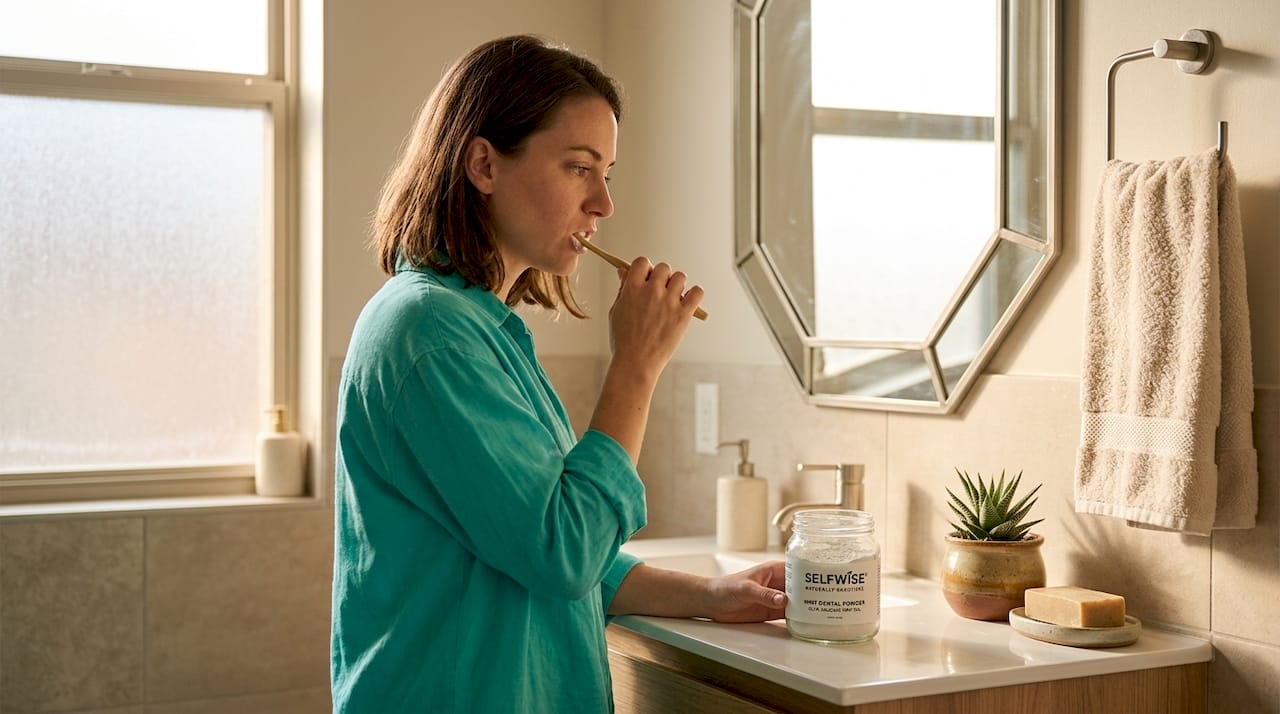
- Toothbrush. Start here because it’s the lowest-risk swap. Bamboo toothbrushes and refillable-head brushes eliminate plastic waste without affecting how you brush. Look for soft bristles regardless of the material.
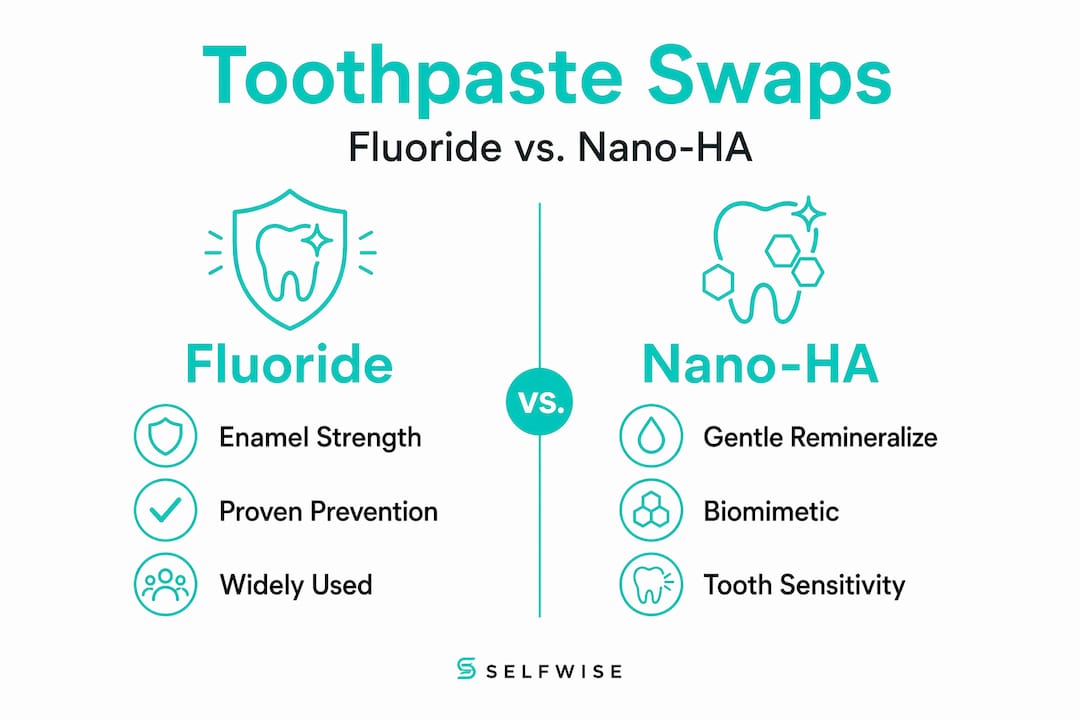
- Toothpaste. This is the most consequential swap. Fluoride toothpaste is the only FDA-approved anti-caries agent, but nano-hydroxyapatite (nano-HA) has emerged as a credible alternative for specific users. Lab models show natural hydroxyapatite remineralizes early caries lesions comparably to fluoride under controlled conditions. Experts currently recommend nano-HA mainly for low cavity risk patients or those who are fluoride-averse.
- Floss. Replace plastic floss picks with compostable silk floss or plant-based floss in recyclable packaging. The technique matters more than the material here.
- Mouthwash. Natural mouthwash alternatives include aloe vera rinses, green tea rinses, baking soda solutions, and xylitol-based products. Each has different strengths and limitations.
Toothpaste comparison at a glance:
| Feature | Fluoride toothpaste | Nano-HA toothpaste |
|---|---|---|
| Cavity prevention | FDA-approved, gold standard | Promising lab evidence, limited long-term clinical data |
| Sensitivity relief | Moderate, via potassium nitrate variants | Strong, due to particle penetration into enamel microstructure |
| Suitable for | All risk levels | Low to moderate cavity risk |
| Chemical-free concern | Contains fluoride compound | Fluoride-free, mineral-based |
| Eco-footprint | Depends on packaging | Often paired with sustainable packaging |
Pro Tip: Nano-HA particle size is not a marketing detail. Nano-sized particles penetrate enamel to promote remineralization, while micro-sized particles mostly coat the surface. Always check that a product specifies nano-hydroxyapatite, not just hydroxyapatite.
For mouthwash, check out hydroxyapatite mouthwash options if you want a product that combines rinse convenience with enamel support. If you prefer a DIY approach, the next section covers that in detail.
Safe homemade dental rinses and pastes
DIY natural dental care is genuinely useful when done right. The problem is that most recipes floating around online skip the safety details that actually matter.
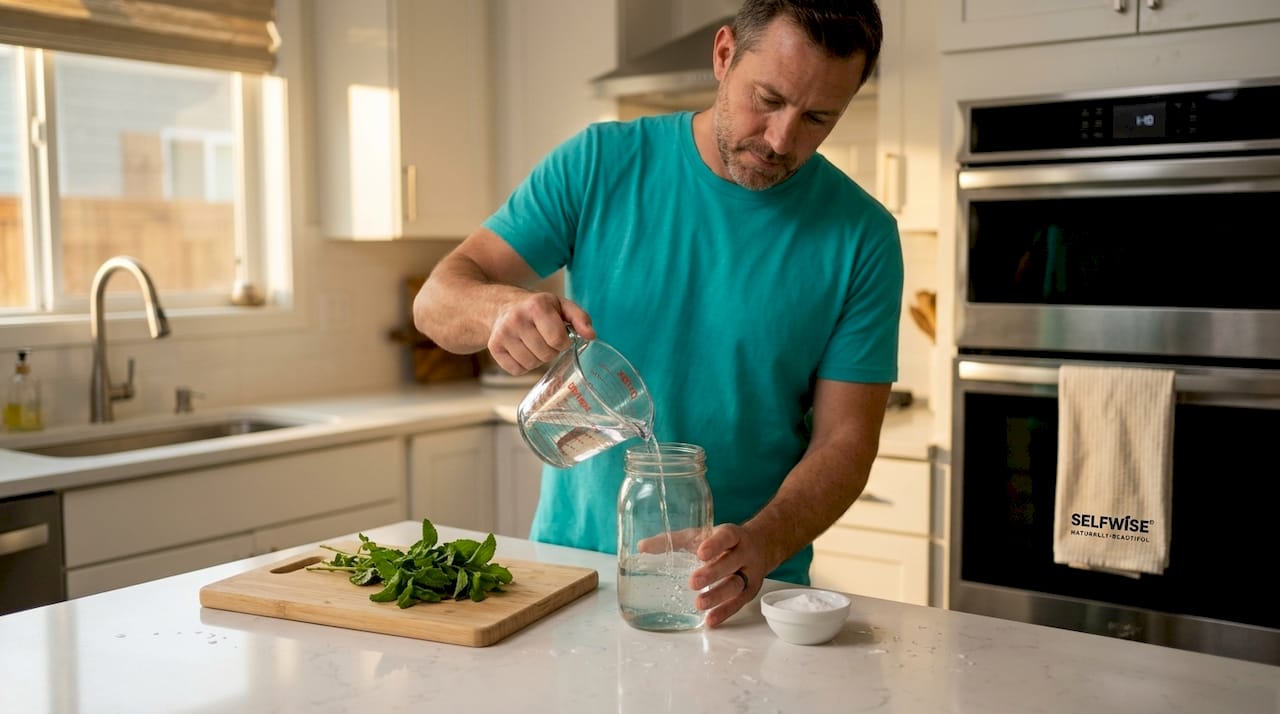
Here is a clear look at the most common homemade options:
| Recipe | Best use | Frequency | Caution |
|---|---|---|---|
| Salt water rinse | Gum irritation, post-procedure care | Once or twice daily, short term | Avoid if sodium intake is restricted |
| Baking soda rinse | Neutralizing mouth acidity | Two to three times per week | Overuse can irritate soft tissue |
| Aloe vera rinse | Soothing inflamed gums | Daily or as needed | Use pure food-grade aloe only |
| Green tea rinse | Mild antibacterial, fresh breath | Daily | Avoid adding sugar; use cooled tea |
| Diluted hydrogen peroxide | Whitening support | Once weekly max | Never mix with baking soda at home |
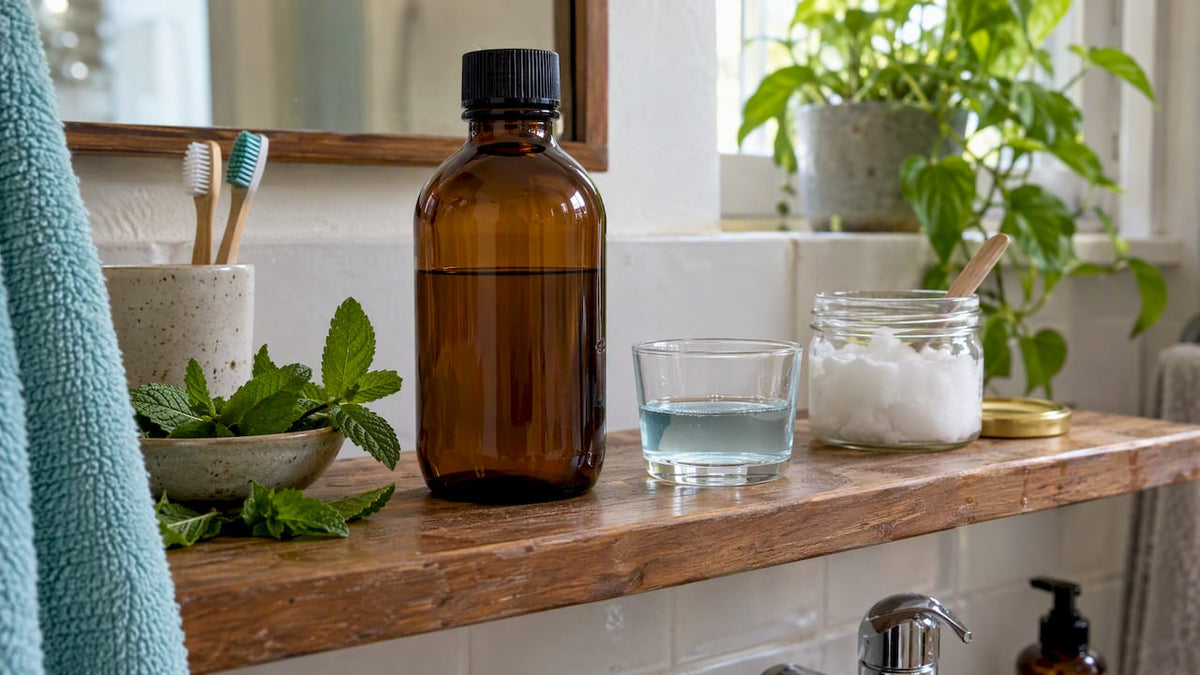
| Coconut oil pull | Oil pulling, plaque disruption | Three to four times per week | Do not swallow; spit into trash, not drain |
DIY natural mouthwashes are safe adjuncts if used properly, but they are not substitutes for brushing or therapeutic rinses. The word “adjunct” carries real meaning. A salt water rinse soothes tissue but does nothing to remineralize enamel. A coconut oil pull disrupts some surface bacteria but won’t replace plaque removal from brushing.
Storage is where most people get this wrong. Homemade rinses lack preservatives and clinical stability. Make small batches, refrigerate them, and discard after two to four days to avoid contamination.
One hard rule: mixing baking soda and hydrogen peroxide at home without professional guidance carries real irritation and chemical reaction risks. Dentists use controlled formulations. A kitchen combination is not equivalent.
For a deeper look at which natural ingredients have real antibacterial evidence behind them, the Selfwisebrand guide on effective natural antibacterials is worth reading before you commit to any DIY rinse routine.
Common mistakes when going natural
The transition to chemical-free oral health goes sideways in predictable ways. Knowing these mistakes before you make them saves both your teeth and your confidence in the switch.
- Dropping fluoride without a risk assessment. Many people assume that fluoride-free is always the goal. For high-risk patients, removing fluoride without a suitable replacement can quietly accelerate decay over months. Get your cavity risk level confirmed first.
- Overusing baking soda. DIY toothpaste with baking soda risks enamel abrasion when used too frequently or with coarse particles. The mechanical wear adds up. Use it no more than two to three times per week if at all, and never as your daily paste.
- Trusting label claims without reading ingredient lists. The natural oral care space includes products with vague or inflated claims. When shopping for fluoride-free options, verify that nano-hydroxyapatite is listed as nano-HA, not just “hydroxyapatite,” which may refer to a larger particle size that works differently.
- Ignoring worsening symptoms. Increased sensitivity, new spots on teeth, or bleeding gums after switching are not adjustment symptoms. They are signals to pause and consult a dentist.
- Skipping the natural whitening learning curve. Many people try at-home natural whitening methods without understanding the limitations. The partner resource on safe natural whitening at SmileFam covers this well.
Pro Tip: Give any new natural product a full four to six weeks before judging results. Your mouth’s bacterial balance and tissue response take time to adjust. Short trials lead to premature conclusions.
Tracking your results after switching
Switching to alternative dental hygiene products is not a set-and-forget decision. Monitoring your results is what separates a successful transition from a slow-motion oral health problem.
Here is what to watch in the first three to six months:
- Sensitivity changes. Improved sensitivity within a few weeks is a positive sign when using nano-HA. Worsening sensitivity points to a product mismatch or enamel wear.
- Breath freshness. Consistent fresh breath suggests your natural mouthwash alternative is managing bacteria effectively. Persistent bad breath after switching may indicate inadequate antibacterial activity.
- Gum appearance. Healthy gums are pink, firm, and don’t bleed when you floss. Improvement here often reflects better overall hygiene, not just product choice.
- Plaque buildup. Your dental hygienist can measure this objectively at your next checkup. More plaque despite consistent brushing is a red flag.
- Dentist confirmation. A six-month checkup is non-negotiable after a major routine change. X-rays catch early decay before it becomes visible, which is critical when you’ve shifted away from fluoride.
Sustainable oral care works best as a combination strategy. For most people, that means pairing natural ingredients like nano-HA and xylitol with professional cleanings and honest assessment rather than an all-or-nothing approach. Natural dental products work well in this layered model for the majority of health-conscious adults.
My honest take on the natural swap movement
I’ve worked closely enough with people making this transition to see both the wins and the mistakes play out in real time. My honest assessment: the movement is largely going in the right direction, but it’s getting ahead of itself in certain pockets.
The part that frustrates me most is the reflexive demonizing of any ingredient that sounds synthetic. Fluoride has decades of safety data and a clear mechanism. Deciding to move away from it deserves more than a social media recommendation. I’ve seen people replace fluoride toothpaste with a DIY baking soda paste and end up with noticeable enamel wear inside a year. That outcome is avoidable.
What I’ve come to believe is this: the best natural oral care routines I’ve seen aren’t the most radical ones. They’re the ones that use evidence-backed natural compounds like nano-hydroxyapatite and xylitol, combine them with sustainable material choices, and stay in conversation with a dental professional. That combination actually delivers on the promise that natural oral care makes.
The people who struggle are usually those who treat “natural” as a binary. You don’t have to choose between a clean conscience and healthy teeth. You just need better information and a little patience.
— Viktor
Build your natural routine with Selfwisebrand
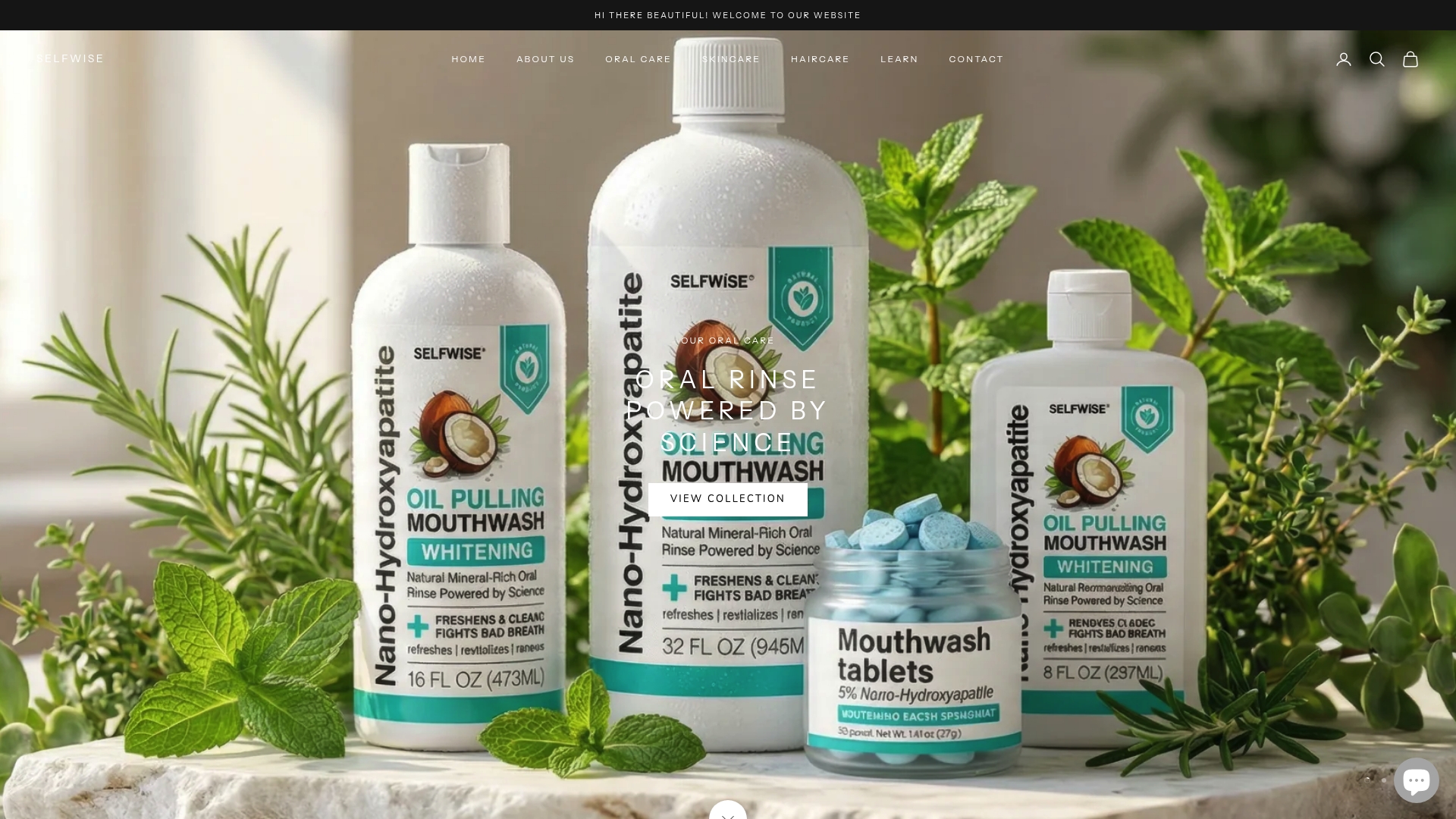
If you’re ready to put this into practice, Selfwisebrand makes it straightforward. The product line is built around verified nano-hydroxyapatite, xylitol, and simple ingredients that have both scientific backing and real-world results. Every formula is fluoride-free and formulated without the synthetic additives you’re trying to avoid.
The nano-hydroxyapatite mouthwash tablets deliver enamel support in a zero-waste solid format, perfect for replacing conventional rinses without compromising on effectiveness. For a more traditional oil pulling experience with a modern upgrade, the nano-HA oil pulling mouthwash combines the ancient practice with proven remineralizing ingredients. Both products are transparently sourced and clearly labeled. Start with whichever format fits your morning routine best and build from there.
FAQ
What does it mean to swap conventional dental products naturally?
It means replacing standard commercial dental products that contain synthetic chemicals or plastics with alternatives made from natural or minimally processed ingredients, such as nano-hydroxyapatite toothpaste, bamboo toothbrushes, or plant-based floss.
Is nano-hydroxyapatite toothpaste as effective as fluoride?
Lab evidence shows it remineralizes early lesions comparably to fluoride under certain conditions, but clinical long-term data is still limited. It’s recommended primarily for low to moderate cavity risk individuals or those avoiding fluoride.
Are homemade mouthwash recipes safe to use daily?
Most are safe as supplements to brushing when properly diluted and stored correctly. Refrigerate batches and discard after two to four days. They are not replacements for therapeutic rinses or professional care.
Can I use baking soda as a daily toothpaste substitute?
No. Daily use of baking soda as a paste risks enamel abrasion over time. Use it no more than two to three times per week, and verify the particle size is fine enough to minimize mechanical wear.
When should I go back to conventional dental products?
Return to conventional products or consult your dentist if you notice new sensitivity, increased bleeding, visible spots on teeth, or persistent bad breath after switching. These are signs your current natural routine needs adjustment or professional input.