Parents: Start Kids' Mouthwash at Age 6 and Try Alcohol Free Options
Most dental organizations, including the American Dental Association, recommend waiting until around age 6 to introduce mouthwash, and only once a child can reliably swish and spit without swallowing. Supervision matters as much as timing. A dentist may adjust that age up or down based on a child’s cavity risk or development, but for most families, 6 is the number to remember.
TL;DR:
- Children under 6 are more likely to swallow mouthwash than spit it out, increasing the risk of alcohol or fluoride ingestion.
- Supervision is essential during mouthwash use, and the child should first practice with plain water until spitting becomes automatic.
- Most kids develop enough motor control around age 6 to use mouthwash safely, but individual readiness and dentist guidance override the calendar age.
- Fluoride rinses for children at high cavity risk should be used under dental supervision, with doses measured precisely according to product labels.
- Alcohol-free, natural alternatives with ingredients like xylitol or nano-hydroxyapatite are safer options for cautious families choosing less harsh formulas.
Table of Contents
- When Can Kids Safely Start Using Mouthwash?
- Why Mouthwash Is Unsafe for Younger Children
- How to Introduce and Supervise Mouthwash Safely
- Choosing a Kid-Safe Mouthwash: Types, Label Cues, and Natural Alternatives
- When to Check With a Dentist Before Starting Mouthwash
- Our Take on Natural, Cautious Mouthwash Choices
- Gentle Rinse Options If You Want to Skip the Alcohol and Harsh Chemicals
- Sources
- FAQ
When Can Kids Safely Start Using Mouthwash?
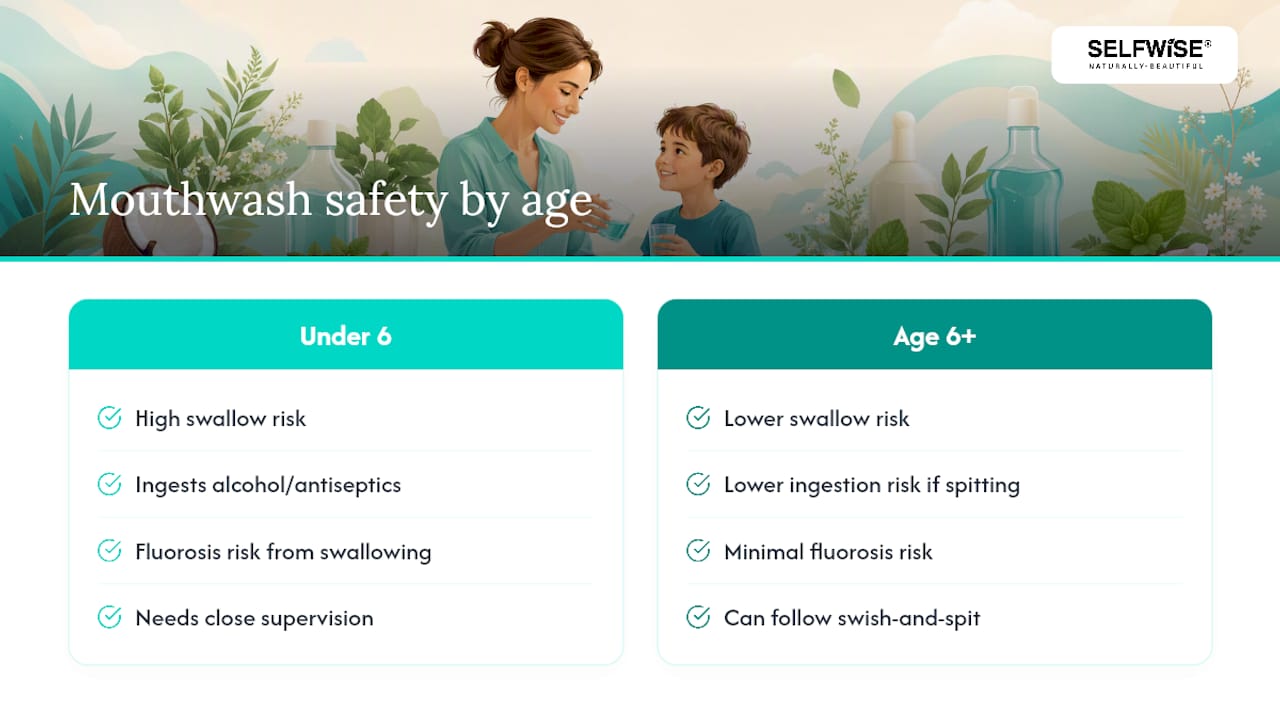
Age 6 isn’t an arbitrary cutoff. It’s roughly when most children develop the motor control to hold liquid in their mouth, swish it around, and spit it out on command instead of swallowing it. Before that point, the reflex to gulp is still stronger than the ability to follow “spit it out.”
The American Dental Association’s guidance on fluoride is direct on this: children under 6 shouldn’t use mouthwash unless a dentist has specifically recommended it. That’s not a soft suggestion. It’s built around real ingestion risk, which the next section digs into.
A few situations shift the timeline:
- A dentist may recommend a rinse earlier for a child at high risk of cavities, but usually paired with close supervision.
- A child who is developmentally behind on oral motor skills might need to wait past age 6.
- Some pediatric dentists start with plain water practice runs well before introducing any actual product.
The American Academy of Pediatrics echoes the same theme parents hear from dentists: supervision and readiness matter more than the calendar date of a sixth birthday.
Why Mouthwash Is Unsafe for Younger Children
Children under 6 are far more likely to swallow mouthwash than spit it out. That’s not a guess. A peer-reviewed study on mouthwash ingestion by preschool children found the risk of ingestion in this age group high enough that researchers called for careful supervision and stronger caregiver education.
The core risk in one line: Young kids swallow reflexively before they master the spit-it-out step, which turns a routine hygiene product into a swallowing hazard.
Two things happen when a small child regularly swallows mouthwash instead of spitting it out. First, there’s the immediate concern of ingesting alcohol-based or antiseptic ingredients in doses meant for a much larger body. Second, and more specific to fluoride rinses, repeated swallowing during the years when adult teeth are still forming under the gums can contribute to fluorosis, the white or brown mottling that shows up on permanent teeth later. The ADA’s fluoride guidance points to this exact mechanism as the reason for the age 6 threshold.
None of this means mouthwash is dangerous for kids in general. It means the product needs a child who can actually follow the swish-and-spit instructions on the label, every single time.
How to Introduce and Supervise Mouthwash Safely
Once your child hits the readiness mark, don’t hand them a bottle and walk away. Build the habit in stages.
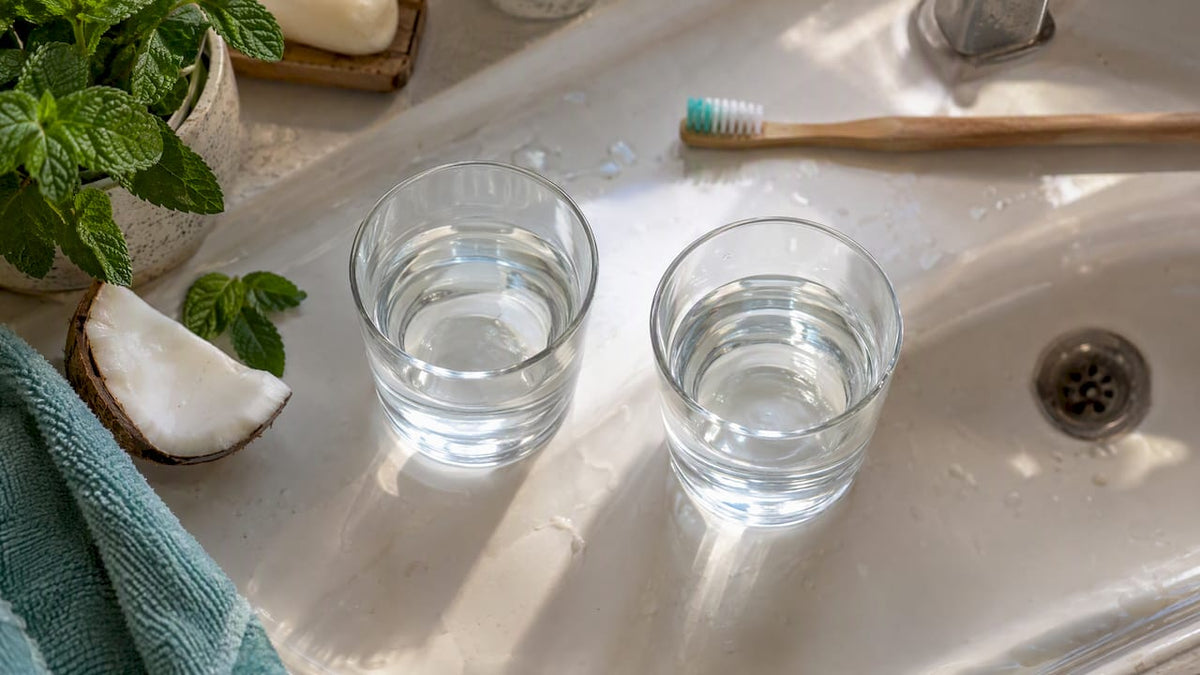
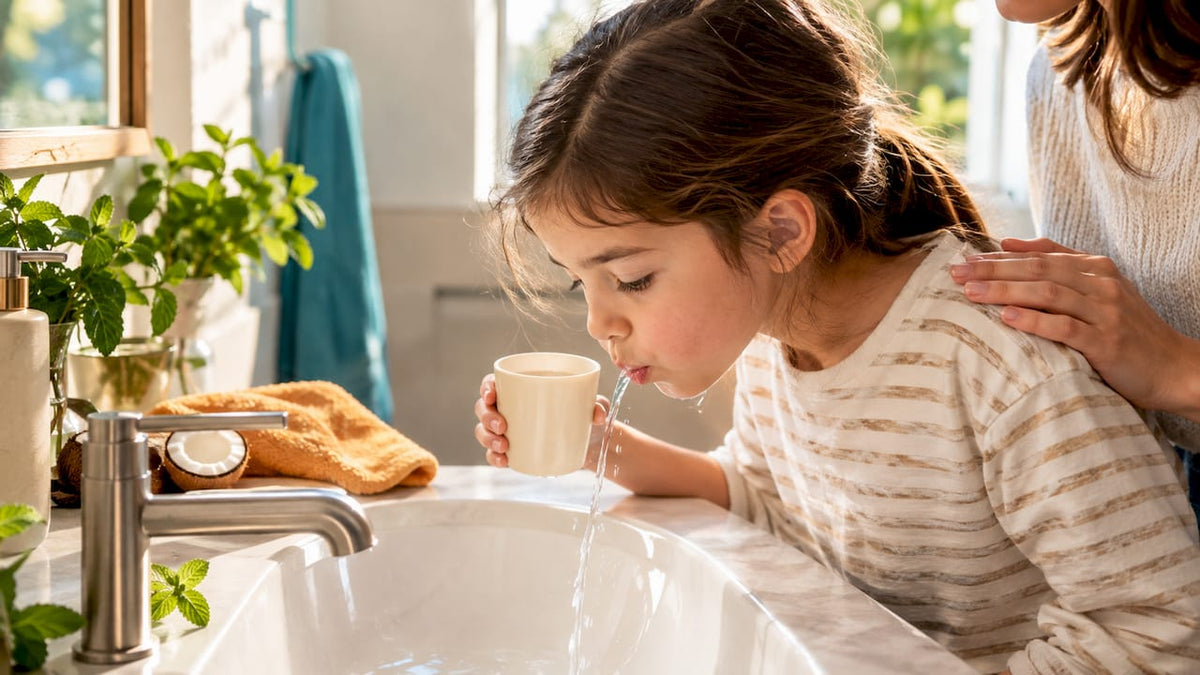
- Practice with plain water first. Have your child swish water and spit it into the sink, no active ingredients involved, until spitting becomes automatic rather than something you have to remind them about.
- Measure the dose. Most kids’ rinses call for around 10 ml, swished for about a minute, based on typical ADA product-label guidance. Use the cap or cup that comes with the product rather than eyeballing it.
- Supervise every single use until spitting is consistent, not just for the first week.
- Stick to a schedule. Twice daily after brushing is the standard rhythm most product labels recommend.
- Wait 30 minutes before eating or drinking. This gives the rinse time to actually work on teeth and gums rather than getting rinsed away with a juice box, a detail the ADA notes directly on its product guidance.
Storage matters just as much as technique. Keep the bottle somewhere a curious toddler sibling can’t reach it, use a small, child-sized cup so there’s no temptation to gulp from the bottle, and consider modeling the swish-and-spit yourself at the sink so it looks like a normal, unremarkable part of the routine rather than a strange new task.
Pro Tip: Turn the first few sessions into a genuine game, count out loud together while swishing, and praise the spit, not just the swish. Kids repeat what gets a reaction, and a proud “you got it!” does more than a lecture about germs.
For the order of operations around brushing, check this guide to rinsing before or after brushing if you want the sequence spelled out.
Choosing a Kid-Safe Mouthwash: Types, Label Cues, and Natural Alternatives
Not every mouthwash on the shelf does the same job, and the label tells you which one you’re holding.
Therapeutic rinses contain active fluoride and are meant to fight cavities. Clinical guidelines note that a 0.09% fluoride mouthrinse can be appropriate for children 6 and older who are at elevated cavity risk, while younger kids at risk usually get fluoride varnish applied at the dentist’s office instead. Cosmetic rinses, by contrast, are about fresh breath and rinsing away debris. They carry no active decay-fighting ingredient, which makes them a gentler entry point for a child who is still building the habit.
When you’re standing in the aisle or shopping online, a few label cues do the real work:
- Age guidance printed on the front — never assume a rinse is fine for your child just because it’s flavored for kids.
- “Alcohol-free” — spares young mouths from the sting and the ingestion risk that comes with alcohol-based formulas.
- Fluoride concentration — matters if a dentist has flagged your child as cavity-prone; otherwise, a fluoride-free rinse is often plenty.
- The ADA Seal of Acceptance — signals the product met the ADA’s evidence and safety review.
- “Sugar-free” — obvious, but worth checking on flavored kids’ formulas.
If your family leans toward gentler ingredients, alcohol-free formulas built around xylitol or nano-hydroxyapatite are worth a look, and the difference between cosmetic and therapeutic mouthwash is explained in more depth if you want to compare before buying. There’s also a case for alcohol-free rinses beyond just kids’ safety, they tend to be gentler on anyone with sensitive gums.
When to Check With a Dentist Before Starting Mouthwash
Some situations call for a conversation before you buy anything. High cavity risk, a history of white spots on baby teeth, ongoing orthodontic work, or a child with special needs that affect motor control are all reasons to loop in a dentist first. So is any concern about how much fluoride your child is already getting from tap water, toothpaste, and supplements combined.
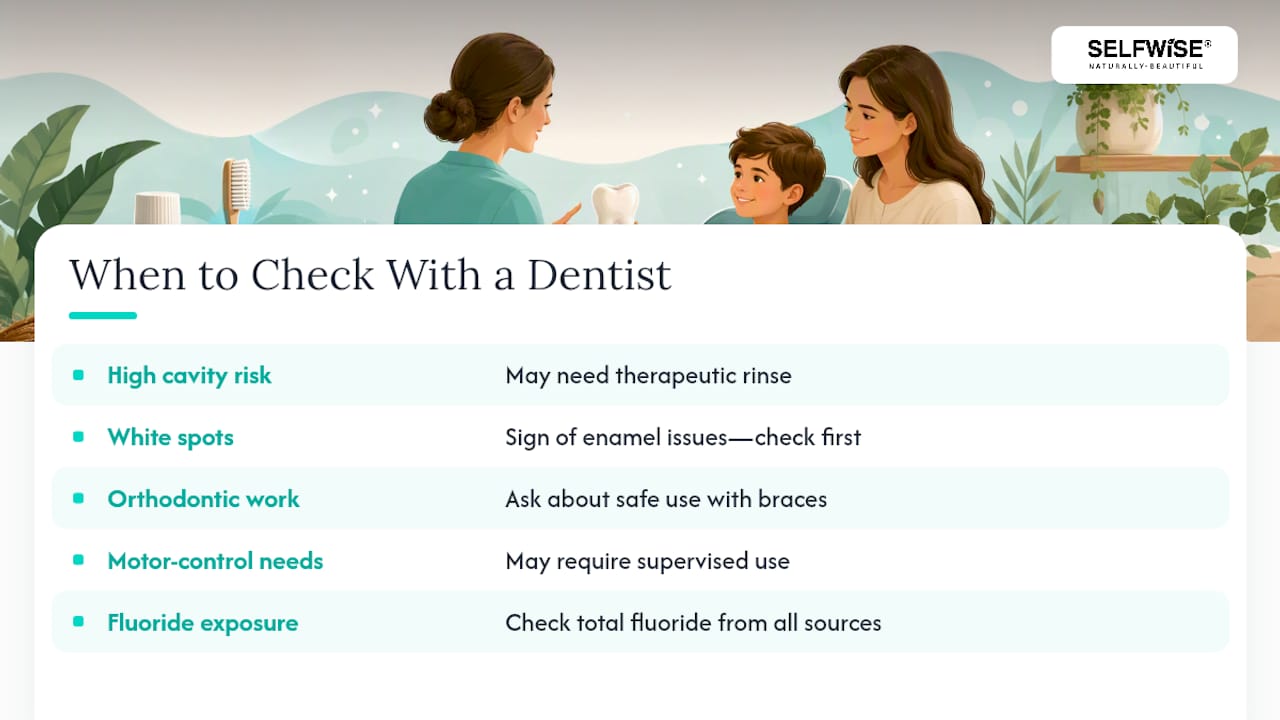
Bring specific questions: What fluoride concentration, if any, is right for my child? How often should we use it? Should we start with a cosmetic rinse before moving to a therapeutic one? Some kids need a prescription-strength or clinician-directed rinse, which isn’t something you’ll find on a regular store shelf.
Our Take on Natural, Cautious Mouthwash Choices
Gentle doesn’t mean weak, and cautious doesn’t mean slow. At Selfwisebrand, the lean is toward ingredients like xylitol and nano-hydroxyapatite in alcohol-free formulas, precisely because they give parents a lower-stakes way to build the habit before, or alongside, any fluoride conversation with a dentist. The ADA’s age guidance and your child’s own dentist remain the real authority here. Ingredients matter, but readiness and supervision are what actually keep a child safe.
— Viktor
Gentle Rinse Options If You Want to Skip the Alcohol and Harsh Chemicals
If your family is leaning toward something gentler than a mainstream fluoride rinse, Selfwisebrand builds its formulas around ingredients that don’t require the same swallowing caution as alcohol-based products, xylitol for taste and cavity support, and nano-hydroxyapatite for remineralizing enamel naturally.
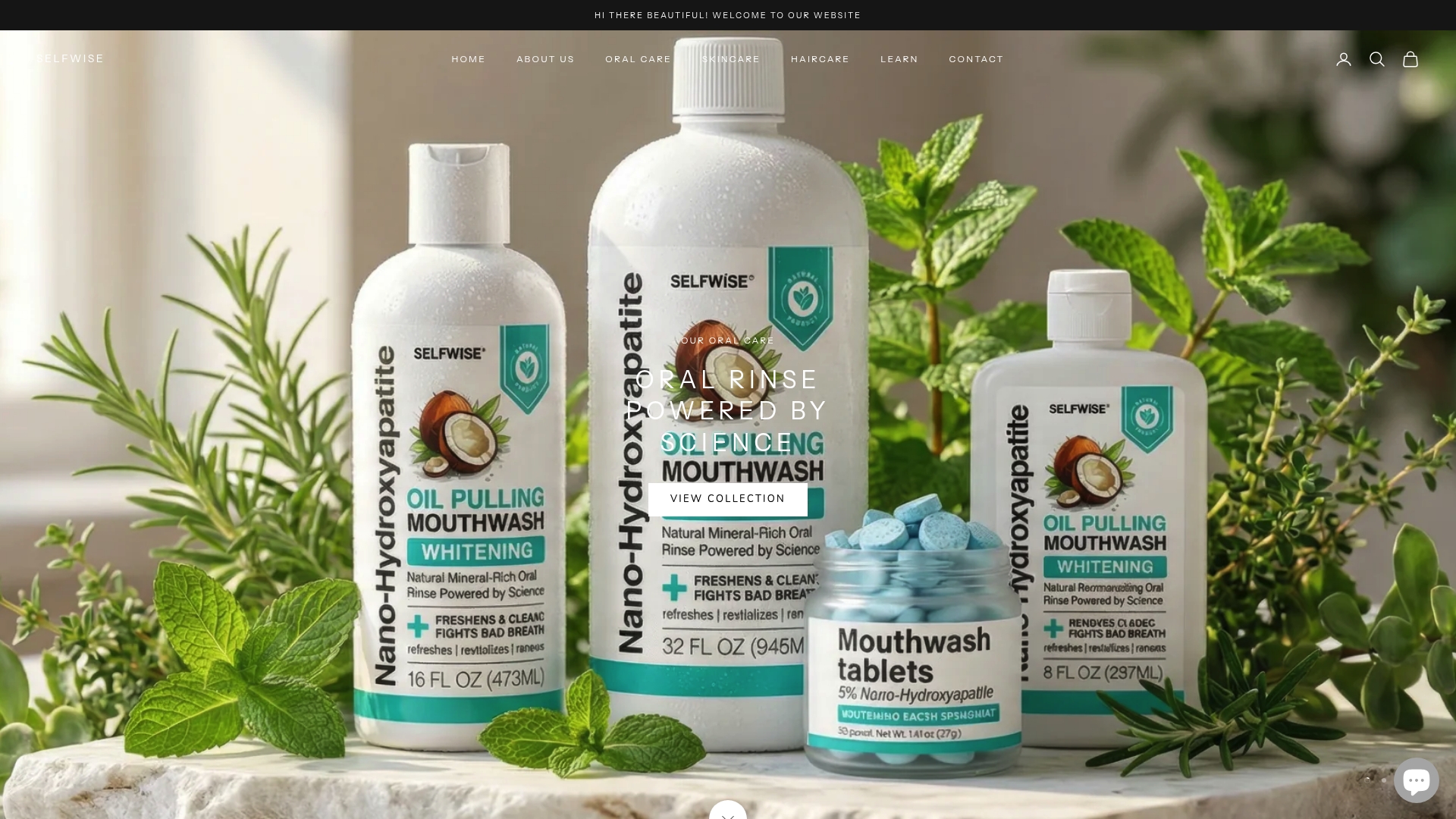
None of this replaces label instructions or your dentist’s specific guidance for your child. Always follow the age range printed on the bottle and supervise use regardless of what’s inside. But if you’re past the readiness stage and comparing options, the Selfwise oral care collection is a reasonable place to start browsing alcohol-free and remineralizing rinses built without harsh chemicals. Take a look at what’s available and see which formula matches your family’s routine.
This article is general information, not a substitute for advice from a qualified doctor. Consult a qualified healthcare professional about your own circumstances before acting on anything here.
Sources
- Listerine Total Care Kids | American Dental Association
- Fluoride | MouthHealthy - Oral Health Information from the ADA
- Mouthwash ingestion by preschool children. Journal of Clinical Pediatric Dentistry. 2005.
FAQ
Why can’t kids under 6 use mouthwash?
Children under 6 haven’t reliably mastered swish-and-spit, so they’re more likely to swallow mouthwash than expel it. The ADA specifically recommends against mouthwash use under age 6 unless a dentist directs otherwise.
Can a 7-year-old use adult mouthwash?
Not usually. Adult formulas often carry higher alcohol content and different fluoride concentrations than products labeled for kids, so a child should stick with a rinse marked appropriate for their age, using the dosing on that specific label.
Can you get mouthwash for a 3-year-old?
Standard mouthwash isn’t recommended for a 3-year-old under normal circumstances, since swallowing risk at that age is high. A dentist might suggest a specific supervised approach in unusual cases, but for most 3-year-olds, brushing and flossing alone are the right routine.
Which mouthwash is safe for kids?
Once a child is around 6 and can swish and spit reliably, an alcohol-free rinse with age-appropriate labeling and, if a dentist recommends it, an ADA-accepted fluoride concentration is the safest bet. Alcohol-free formulas built around ingredients like xylitol or nano-hydroxyapatite, such as those in Selfwisebrand’s oral care line, are a gentler starting point for cautious parents.