Article: Fluoride Free Evidence: Hydroxyapatite Mouthwash vs Fluoride
Fluoride Free Evidence: Hydroxyapatite Mouthwash vs Fluoride
Both fluoride and hydroxyapatite support remineralization, but they earn that reputation differently. Fluoride remains the most studied, longest-standing anti-caries agent at the population level, while hydroxyapatite is a well-supported, fluoride-free alternative that often eases sensitivity and suits people who want to avoid fluoride. Mouthwash results depend heavily on concentration and formulation, and age plays a real role in which option makes sense. The sections below walk through the mechanisms, the trial evidence, and how to apply it to your own routine.
TL;DR:
- Hydroxyapatite generally provides faster relief from dentin sensitivity by occluding tubules, while fluoride offers long-term enamel strengthening through fluorapatite formation.
- Clinical trials show hydroxyapatite toothpaste performs similarly to fluoride toothpaste in controlling caries and may reduce hypersensitivity more effectively within 90 days.
- The effectiveness of mouthwash depends heavily on concentration, formulation, and contact time, with fluoride rinses typically at 0.05% sodium fluoride and hydroxyapatite particle sizes varying.
- Fluoride mouthwashes are recommended for children over age 6 and higher-risk individuals, whereas hydroxyapatite poses fewer safety concerns for young children and fluoride-sensitive households.
- Expect sensitivity improvements within weeks and measurable remineralization in several months, with product choice guided by personal risk factors, age, and preference for fluoride exposure.
Table of Contents
- Hydroxyapatite vs Fluoride Mouthwash at a Glance
- How Each Ingredient Rebuilds Tooth Mineral
- What the Research Says About Mouthwash Formulas Specifically
- Who Should Use Which, and Age-Specific Safety Guidance
- How to Choose and Use a Remineralizing Mouthwash
- Where Selfwise Fits Into the Evidence
- Science Versus Preference: An Honest Read
- A Fluoride-Free Rinse Worth Considering
- FAQ
- Sources
Hydroxyapatite vs Fluoride Mouthwash at a Glance
The two ingredients approach the same problem from different angles. Fluoride works by converting part of the tooth’s mineral surface into fluorapatite, a crystal structure that resists acid better than the natural mineral it replaces. Hydroxyapatite works more directly: because it is chemically almost identical to the mineral that already makes up your enamel, it deposits onto weakened areas and can physically fill in microscopic gaps, including the dentinal tubules that cause sensitivity.
Trial data generally shows the two performing similarly rather than one clearly beating the other. Several randomized clinical trials have found hydroxyapatite toothpaste performs non-inferiorly to 1,400 ppm fluoride toothpaste for controlling caries progression, including in orthodontic patients who face higher decay risk from braces. Some in vitro mouthrinse comparisons lean the other way, showing fluoride producing slightly stronger acid resistance under specific lab conditions. Neither result makes one ingredient obsolete; it means formulation and context matter as much as the active ingredient printed on the label.
Who tends to benefit most from each option:
- Children ages 6 and up with elevated cavity risk often do well with an ADA-recognized fluoride rinse, used under supervision.
- People with dentin hypersensitivity frequently notice faster relief from hydroxyapatite because it occludes exposed tubules rather than just strengthening the surface.
- Fluoride-avoidant households, including those managing fluorosis concerns or personal preference, get a biologically compatible option in hydroxyapatite without giving up remineralization support.
- Orthodontic patients managing white spot lesions may benefit from either, since trials show comparable outcomes for lesion control.
Labels rarely make the concentration obvious at a glance. A rinse described as “hydroxyapatite mouthwash” might use a nano-sized particle at a modest percentage, while a fluoride rinse will usually state its strength directly, most commonly 0.05% sodium fluoride for daily over-the-counter products. Reading past the marketing language on the front of the bottle to the ingredient list on the back is the only reliable way to know what you are actually using.
How Each Ingredient Rebuilds Tooth Mineral
Enamel is a crystal lattice of calcium and phosphate, and both fluoride and hydroxyapatite intervene in how that lattice repairs itself after acid attacks from food, drink, or bacterial activity. The mechanisms differ enough to explain why the two ingredients produce overlapping but not identical benefits.
Fluoride works at the ion level. When fluoride ions are present during remineralization, they get incorporated into the forming crystal, producing fluorapatite instead of plain hydroxyapatite. Fluorapatite has a tighter crystal structure that resists acid dissolution more effectively than untreated enamel. This is why fluoride’s reputation rests heavily on long-term, population-level caries reduction rather than a single dramatic mechanism; it works slowly and cumulatively, strengthening enamel against future acid exposure as calcium and phosphate are available to rebuild the surface.

Hydroxyapatite works more like a patch. Because synthetic hydroxyapatite particles share the same crystal structure as natural enamel mineral, they can bond directly to demineralized or roughened tooth surfaces and to exposed dentin. A mechanistic review of both actions notes that hydroxyapatite tends to provide faster symptomatic relief for dentin hypersensitivity, since the deposited crystals physically occlude the tubules that transmit pain signals to the nerve. Fluoride’s main advantage, by contrast, is long-term enamel strengthening through fluorapatite formation, which works best when calcium and phosphate are already present in the mouth to support the reaction.
One of the clearer head-to-head trials on this question is a 2022 randomized clinical trial comparing biomimetic hydroxyapatite toothpaste against a standard 1,450 ppm fluoride toothpaste for treating white spot lesions. Over 90 days, the trial found that hydroxyapatite reduced hypersensitivity and pain more than the fluoride formula, while both products showed benefit for enamel support. That is a meaningful finding for anyone dealing with sensitive teeth, though it is worth noting the trial measured toothpaste, not mouthwash, so the exact rinse-only effect size is not directly established by this study.
A separate line of research looked at caries-active orthodontic patients, a group especially prone to decay around brackets. A 2019 randomized trial reported that microcrystalline and nano-hydroxyapatite toothpastes performed non-inferiorly to 1,400 ppm fluoride toothpaste on caries progression, a result echoed across several other clinical studies in similar populations. Non-inferiority is a specific statistical claim: it means the tested product was not meaningfully worse, not that it was proven better. That distinction matters when evaluating marketing claims that stretch a non-inferiority result into a superiority one.
More recent pediatric data adds another layer. A 2-year triple-blind randomized clinical trial in children found that hydroxyapatite-substituted formulations produced significant reductions in enamel lesion activity compared with certain mono-fluoridated toothpastes, suggesting these formulations have real potential in primary teeth specifically. Triple-blind design and a two-year duration give this trial more weight than a short in vitro comparison, though it still represents one study population rather than a settled consensus.
Where the evidence gets thinner is long-duration, large-sample mouthwash-specific trials, as opposed to toothpaste trials. Most of the strongest randomized evidence compares toothpaste formulations, and researchers then extrapolate cautiously to rinses. Sample sizes in the hydroxyapatite literature also tend to run smaller than the decades of fluoride research behind ADA guidance, so “comparable in trials” should be read as a genuinely encouraging signal rather than an equivalent evidence base to fluoride’s decades-long track record.
What the Research Says About Mouthwash Formulas Specifically
Toothpaste trials dominate the hydroxyapatite literature, but rinse-specific comparisons exist and they tell a more nuanced story than toothpaste data alone. Because a mouthwash has no abrasive brushing action and a shorter contact time than toothpaste left on the brush, the formulation details matter more for a rinse than they do for a paste.
A frequently cited comparison looked directly at nano-hydroxyapatite mouthrinse against sodium fluoride mouthrinse for remineralizing early carious lesions. The study found both agents increased tooth microhardness and supported remineralization, with results varying by concentration and the specific lab conditions used. Neither ingredient was a clear universal winner; the outcome shifted depending on how much active ingredient was used and how the comparison was structured.
A more recent report from 2026 complicates the picture further. In a comparison of fluoride mouthwash against a xylitol mouthwash over 45 days, the fluoride rinse achieved higher remineralization grades than the xylitol formula. This result is a useful reminder that not every “natural” or alternative ingredient performs identically to fluoride or to hydroxyapatite, and that xylitol rinses and hydroxyapatite rinses are not interchangeable just because both sit outside the fluoride category. Formulation and active agent genuinely change outcomes, sometimes within a relatively short time frame.
Concentration ranges used in trials are worth knowing before you compare your own bottle’s label:
- Daily OTC fluoride rinses are typically formulated around 0.05% sodium fluoride, the level recognized in ADA guidance for individuals 6 and older.
- Prescription-strength fluoride rinses run higher, often around 0.2% sodium fluoride, for people identified as higher caries risk.
- Nano-hydroxyapatite rinses in published lab and clinical work vary more widely by study, which is part of why direct percentage comparisons across products are harder to standardize than with fluoride.
Particle size is a formulation detail that matters more than most shoppers realize. Nano-scale hydroxyapatite particles cover tooth surfaces more evenly than larger microcrystalline particles, in principle giving them a practical edge for rinse products, but manufacturers differ in how well they stabilize those particles against clumping, which affects how much of the ingredient actually reaches the tooth surface rather than settling out in the bottle. Whether a rinse is alcohol-based or alcohol-free also changes the experience, particularly for people prone to dry mouth, since alcohol can increase that dryness.
Set realistic expectations on timeline. Sensitivity relief from hydroxyapatite rinses is often reported within a few weeks in the trials that measured it, while remineralization changes detectable by microhardness testing or imaging generally take longer, often in the range of several weeks to a few months of consistent use, matching the 90-day windows used in several of the trials cited above.
Who Should Use Which, and Age-Specific Safety Guidance
Safety considerations, more than raw efficacy data, often decide which rinse is the right fit for a given household.
The American Dental Association identifies fluoride mouthrinses, including 0.05% sodium fluoride daily rinses and 0.2% sodium fluoride prescription rinses, as therapeutic options for reducing decay in individuals 6 years of age and older. That age cutoff exists primarily because of swallowing risk: young children have less reliable control over spitting out a rinse, and repeated swallowing of fluoride during enamel development can contribute to fluorosis, the cosmetic mottling of permanent teeth. This is why fluoride mouthrinse is generally not recommended for children under 6 regardless of their cavity risk, and why ADA and Cochrane evidence support fluoride measures including mouthrinses as effective adjuncts to, not replacements for, brushing and flossing.
Hydroxyapatite does not carry the same fluorosis concern, since it is not fluoride and does not accumulate in developing enamel the same way. That is a major reason fluoride-avoidant families gravitate toward it, along with people managing certain thyroid conditions or anyone who has made an informed personal decision to limit fluoride exposure. It is still worth checking any hydroxyapatite product label for other ingredients, such as added flavoring agents or preservatives, that might matter for a specific sensitivity or allergy.
A short set of practical rules covers most households:
- Supervise rinse use in children under the age cutoff recommended on the product label, and avoid fluoride mouthrinse entirely under age 6 per ADA guidance.
- Follow the stated concentration and frequency instructions rather than assuming more rinse means more benefit.
- Talk to a dentist before choosing a rinse if you have a high-risk condition such as dry mouth from medication, a history of frequent cavities, or active orthodontic treatment.
- Choose an alcohol-free formula if you experience xerostomia, since alcohol-based rinses can worsen dry mouth symptoms.
None of this makes one ingredient categorically unsafe and the other categorically safe. It means the right choice depends on who is using the rinse and under what conditions, which is exactly the kind of judgment a dentist is positioned to help with for anything beyond routine daily use.
How to Choose and Use a Remineralizing Mouthwash
Matching a rinse to your situation is more useful than chasing a single “best” ingredient. Work through these factors before buying:
- Assess your caries risk. Frequent cavities, visible white spot lesions, or orthodontic appliances push toward a product with stronger trial backing for your specific risk profile.
- Check age appropriateness. Fluoride rinse is generally not used under age 6; hydroxyapatite rinses typically carry fewer age restrictions, but always confirm against the product label.
- Decide your fluoride stance. If you are avoiding fluoride for medical or personal reasons, hydroxyapatite is the evidence-backed alternative to look for.
- Weigh sensitivity. If exposed dentin and sensitivity are your main complaint, hydroxyapatite’s tubule-occluding mechanism may bring faster relief.
- Factor in orthodontics or dry mouth. Both conditions raise decay risk and argue for a dentist’s input on which active ingredient and concentration fit your case.
When reading labels, look past the front-of-package claims. The ingredient list should state the active agent and its concentration, such as “0.05% sodium fluoride” or a specific hydroxyapatite percentage, along with whether the particle size is described as nano or microcrystalline. Note whether the base is alcohol-free, since that affects comfort for daily use, and look for language tying the formula to a cited trial rather than vague claims like “clinically tested” with no reference.
For use, rinse according to the frequency printed on the bottle, generally once or twice daily, and follow the manufacturer’s guidance on whether to rinse before or after brushing, since this varies by product and active ingredient. Supervise children directly during use until they reliably spit rather than swallow. Give the product time to work: expect sensitivity changes within a few weeks and remineralization changes over roughly 4 to 12 weeks of consistent use, consistent with the trial durations discussed earlier.
Pro Tip: Keep the rinse in the same spot as your toothbrush so the extra step doesn’t quietly drop out of your routine after the first week.
See a dental professional promptly if you notice persistent pain, a visibly darkening or expanding spot on a tooth, or sensitivity that worsens rather than improves after several weeks of consistent rinse use; those are signs a rinse alone will not resolve the underlying issue.
Where Selfwise Fits Into the Evidence
We formulate our oral care products around nano hydroxyapatite and xylitol based on their promise as fluoride-free agents for remineralization and sensitivity relief. Our product lineup focuses on practical formats for people who have already decided fluoride is not the route they want:
- Nano hydroxyapatite mouthwash tablets, a solid, travel-friendly format for a fluoride-free rinse routine.
- Oil-pulling products, used as a complementary traditional practice alongside, not instead of, a remineralizing rinse.
- Our guide to hydroxyapatite mineral breaks down the chemistry in more depth for readers who want to understand the ingredient before buying anything.
We encourage checking the active ingredient concentration on any rinse you consider, including ours, against your own risk profile, and consulting a dentist directly if you fall into a higher-risk category such as active orthodontic treatment, frequent cavities, or a diagnosed dry mouth condition. The trial evidence is genuinely encouraging for hydroxyapatite, but it is not a substitute for individualized dental guidance.
Science Versus Preference: An Honest Read
The honest takeaway from the trial data is less dramatic than marketing on either side suggests: fluoride and hydroxyapatite mostly tie in head-to-head comparisons, with hydroxyapatite’s edge showing up most consistently in sensitivity relief rather than outright cavity prevention. Treating this as a binary “which ingredient wins” question misses the point. The better question is which one fits your age, risk level, and tolerance for fluoride, and professional input matters most for anyone with elevated caries risk or a medical condition that changes the calculus.
— Viktor
A Fluoride-Free Rinse Worth Considering
If you have decided fluoride is not the direction you want, our fluoride-free nano hydroxyapatite mouthwash tablets give you a travel-friendly, alcohol-free way to put the trial-supported ingredient to work without carrying a liquid bottle.
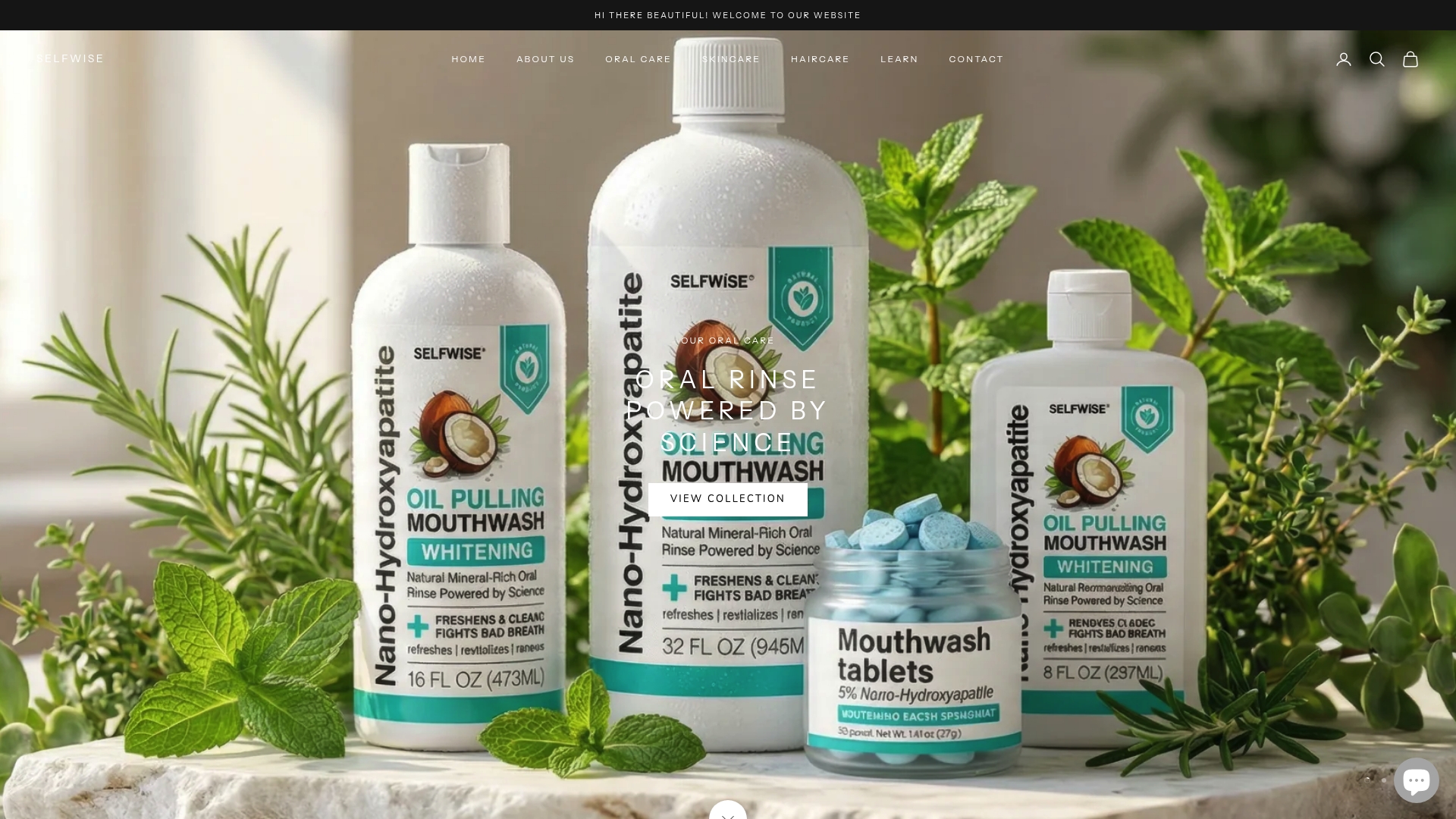
Our fluoride-free mouthwash guide lays out the broader category if you are still deciding, and our full mouthwash collection covers the formats we currently offer.
| Who it suits | What it offers | Where to start |
|---|---|---|
| Fluoride-avoidant households | Fluoride-free nano hydroxyapatite formula | Mouthwash Tablets |
| Sensitivity-focused routines | Tubule-occluding mineral deposition | Oral Care Collection |
| Travelers and minimal-routine users | Solid tablet format, no liquid spill | Mouthwash Collection |
Browse our full oral care storefront to see how a fluoride-free rinse fits alongside the rest of your routine.
FAQ
Why don’t more dentists recommend hydroxyapatite?
Fluoride has decades of large-scale population data behind it, while hydroxyapatite’s trial base, though growing and encouraging, is still smaller and more recent. Many dentists default to the option with the longest track record, especially for higher-risk patients, while treating hydroxyapatite as a reasonable alternative rather than a replacement.
Is it better to use hydroxyapatite or fluoride?
Neither is universally better: trials generally show the two performing similarly for remineralization, with hydroxyapatite showing an edge for easing sensitivity in some comparisons. The right choice depends on your age, caries risk, and whether you are intentionally avoiding fluoride.
Can hydroxyapatite reverse cavities?
Hydroxyapatite can support remineralization of early, non-cavitated white spot lesions, similar to what fluoride does in the same stage, based on trial data on lesion activity. Once a cavity has actually formed a hole through the enamel surface, no rinse ingredient, fluoride or hydroxyapatite, can reverse it; that requires a dentist.
What are the downsides of hydroxyapatite toothpaste or mouthwash?
The main downside is a thinner clinical evidence base compared with fluoride’s decades of population-level research, plus more variation between products depending on particle size and formulation quality. It also is not a direct substitute for fluoride in cases where a dentist has specifically recommended fluoride for high caries risk.
Sources
- Mouthrinse (Mouthwash) | American Dental Association
- Randomized clinical trials comparing hydroxyapatite and fluoride outcomes (example reference)