Tea Tree Oil in Oral Care: Benefits & Safe Use
Tea tree oil is a natural antimicrobial agent that controls harmful bacteria and reduces inflammation in the mouth to support healthier gums and cleaner teeth. The role of tea tree oil in oral care has gained serious attention from both researchers and health-conscious consumers looking to move away from synthetic antiseptics. Derived from Melaleuca alternifolia, a plant native to Australia, tea tree oil contains active compounds called terpinen-4-ol that penetrate bacterial cell membranes and disrupt their function. Studies show it targets pathogens like Streptococcus mutans and Porphyromonas gingivalis, two bacteria directly linked to cavities and gum disease. Brands like Selfwisebrand have built natural oral care lines around this kind of botanical science.
How does tea tree oil inhibit harmful oral bacteria?
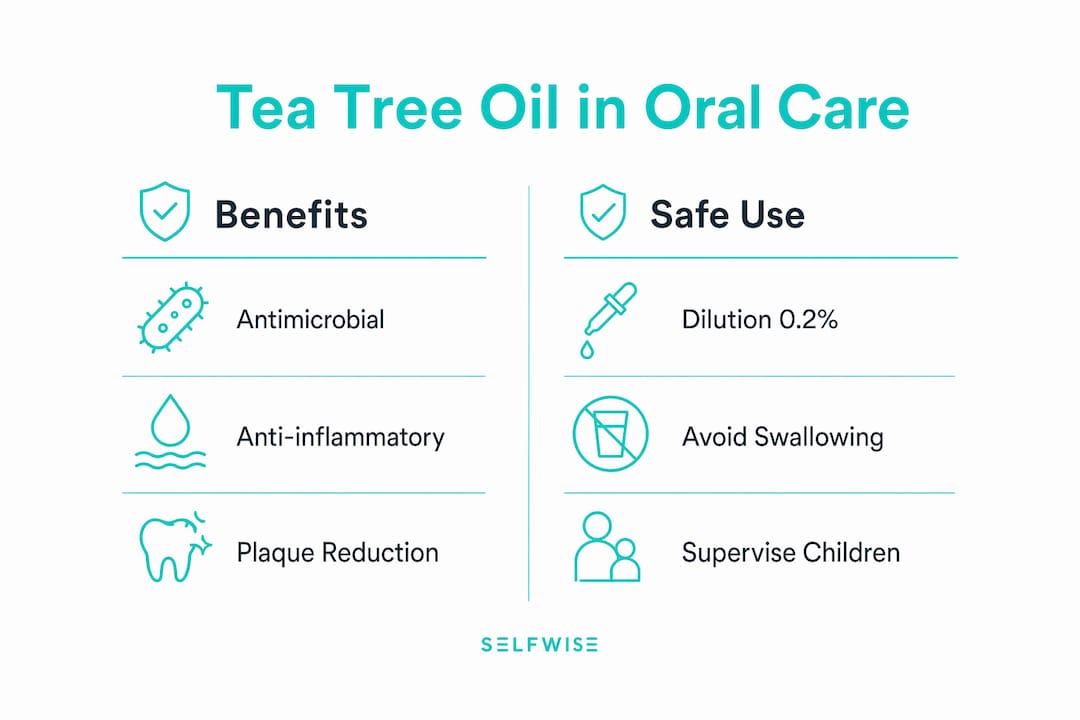
Tea tree oil disrupts bacterial cell membranes to reduce plaque-forming bacteria and soothe gingivitis symptoms like gum swelling and bleeding. This mechanism is not just surface-level. Terpinen-4-ol penetrates the lipid bilayer of bacterial cells, causing them to lose structural integrity and die. That process stops biofilm from forming on tooth surfaces, which is the first step in plaque buildup.

The anti-inflammatory side of tea tree oil is equally significant. When gum tissue encounters bacterial toxins, it triggers an immune response that causes redness, swelling, and bleeding. Tea tree oil contains compounds that downregulate pro-inflammatory cytokines, the chemical signals that drive that response. This is why people using tea tree oil for gums often report less bleeding during brushing within a few weeks of consistent use.
Research confirms that a mouthwash combining 0.2% tea tree oil with 0.2% eucalyptus oil inhibits over 99.9% of several oral pathogens and downregulates inflammatory markers in gum tissue. That level of pathogen reduction rivals many commercial antiseptic rinses. The synergy between tea tree oil and eucalyptus oil matters here. Eucalyptus enhances cell membrane permeability, making it easier for tea tree oil’s active compounds to penetrate and destroy bacteria.
Lab studies do have limits. Most of the strongest findings come from in vitro conditions, meaning controlled environments that do not fully replicate the complexity of a living mouth. Clinical trials with human subjects are still ongoing, and researchers caution against treating lab results as definitive proof of clinical outcomes.
Pro Tip: If you want the antimicrobial benefit without compromising taste, stay at or below 0.2% tea tree oil concentration. Above 0.2% in oral rinses negatively affects taste sensation even when short-term safety remains acceptable.
What are the safe ways to use tea tree oil for oral hygiene?
Tea tree oil must always be diluted before oral use. Applying it undiluted causes tissue irritation and significantly raises the risk of accidental ingestion toxicity. The standard safe dilution is 1 drop per 0.5 fluid ounces of carrier liquid, such as water or coconut oil. That ratio delivers antibacterial activity without overwhelming the soft tissues of your mouth.
Here is a step-by-step guide to using tea tree oil safely in your oral care routine:
- Dilute correctly. Add 1 drop of pure tea tree oil to 0.5 fl oz of water or coconut oil. Never exceed this ratio for home use.
- Swish for 30 seconds. Move the diluted rinse around your mouth, focusing on the gum line where bacteria concentrate.
- Spit completely. Do not swallow any of the rinse. Tea tree oil is toxic if ingested, with symptoms including confusion and loss of muscle coordination.
- Rinse with plain water. Follow up with a plain water rinse to clear any residual oil from the mouth.
- Limit frequency. Use tea tree oil rinses 2–3 times per week rather than daily, especially when starting out.
Certain groups need extra caution. Children and teenagers are more likely to swallow rinses accidentally, and ingestion of tea tree oil can cause severe systemic toxicity in younger users. Pregnant women should consult a healthcare provider before adding any essential oil to their routine. People with oral sensitivities or active mouth sores should start with the lowest possible concentration and monitor for irritation.
Pro Tip: Start with one use per week for the first two weeks to test your personal tolerance. Some people experience mild tingling or sensitivity at standard dilutions, and a gradual introduction helps you identify your threshold before committing to regular use.
Tea tree oil vs. chlorhexidine: which is better for your mouth?
Chlorhexidine is the clinical gold standard for oral antiseptics, but it carries real drawbacks including tooth staining, altered taste, and disruption of the oral microbiome with extended use. Tea tree oil offers a different trade-off. It avoids staining and microbiome disruption seen with synthetic antiseptics, making it an attractive option for people who want targeted antibacterial support without the side effects.
The antifungal comparison is particularly interesting. Tea tree oil at 25% concentration shows antifungal efficacy comparable to 2% chlorhexidine against Candida albicans in dental applications. That is a meaningful finding for people dealing with oral thrush or fungal overgrowth. However, the concentration required for that parity is far higher than what is safe for daily oral rinse use, which underscores the importance of formulation.
Chlorhexidine outperforms tea tree oil in raw antimicrobial potency in lab assays, but in vitro tests are not direct predictors of real-world clinical outcomes. Tea tree oil formulations are still being evaluated in clinical trials, and the gap between lab and patient results may be smaller than current data suggests.
| Factor | Tea Tree Oil | Chlorhexidine |
|---|---|---|
| Antimicrobial potency | Moderate (lab-confirmed) | High (clinical gold standard) |
| Tooth staining | None reported | Common with extended use |
| Microbiome impact | Lower risk at correct dilution | Disrupts beneficial bacteria |
| Antifungal activity | Comparable at high concentrations | Strong across concentrations |
| Side effects | Toxicity risk if swallowed | Taste alteration, staining |
| Best use case | Supportive, complementary care | Acute clinical treatment |
Dental experts position tea tree oil as a supportive complementary care option rather than a replacement for professional treatments. That framing is accurate. Tea tree oil works best alongside brushing, flossing, and regular dental visits, not instead of them.
Pro Tip: If you are currently using chlorhexidine for a dental condition, do not substitute tea tree oil without talking to your dentist first. The two serve different clinical purposes, and swapping them mid-treatment can leave an active infection undertreated.
How to add tea tree oil to your daily oral care routine
Building oral hygiene with tea tree oil into your daily routine works best when you treat it as a targeted tool rather than a blanket replacement for everything else. Here are the most effective ways to integrate it:
- Post-brushing rinse. Use a diluted tea tree oil mouthwash after brushing to reduce residual plaque bacteria and calm gum inflammation. This is the most direct application for people managing early gingivitis.
- Oil pulling with a carrier. Combine 1 drop of tea tree oil with 1 tablespoon of coconut oil for an oil pulling session. Swish for 10–15 minutes, then spit into a trash can to avoid clogging drains. This method extends contact time with gum tissue.
- Natural toothpaste blend. Some people add a single drop of tea tree oil to a small amount of natural toothpaste before brushing. This works well for targeted gum care during periods of sensitivity.
- Peppermint or clove pairing. Combining tea tree oil with peppermint or clove oil adds breath-freshening and additional analgesic properties. Clove oil contains eugenol, a natural anesthetic that soothes sore gum tissue.
- Scheduled use, not daily habit. Essential oils kill both harmful and beneficial oral bacteria, so experts recommend targeted use during inflammation rather than continuous daily use. Reserve tea tree oil rinses for weeks when your gums feel irritated or inflamed.
You can explore natural antimicrobial rinse ingredients that pair well with tea tree oil if you want to build a more complete botanical routine. Pairing it with xylitol, nano hydroxyapatite, or aloe vera creates a multi-action approach that covers bacteria control, enamel support, and tissue soothing in one routine.
What i have learned from using tea tree oil for gum health
Tea tree oil is one of the most misused ingredients in natural oral care, and I say that as someone who has followed this space closely for years. The most common mistake is treating it like a daily mouthwash you use every morning without thinking. That approach ignores the fact that broad-spectrum antimicrobial activity does not discriminate between the bacteria you want to eliminate and the ones your mouth needs to stay balanced.
What actually works is using tea tree oil with intention. I have found it most effective during specific windows, such as when seasonal allergies trigger gum inflammation, or after a dental procedure when the tissue is healing and vulnerable. In those situations, a properly diluted rinse used three times a week makes a noticeable difference in how quickly the tissue calms down.
The safety piece is non-negotiable. Swallowing even a small amount is not a minor issue. The toxicity symptoms are serious, and the risk is higher than most people realize. If you have children in your home, keep tea tree oil products out of reach and never use them as a substitute for kid-safe oral care products.
My honest view is that 36% of dentists recommend tea tree oil for dental issues, typically in complementary medicine contexts, and that number reflects where the evidence actually sits. It is a real tool with real benefits. It is not a cure-all, and it works best when you pair it with solid mechanical cleaning, meaning brushing, flossing, and professional cleanings.
— Viktor
Try selfwisebrand’s natural oral care line
If the science behind tea tree oil has you ready to upgrade your routine, Selfwisebrand has built products that put these principles into practice. The formulations are fluoride-free and preservative-free, designed for people who want botanical ingredients without unnecessary additives.
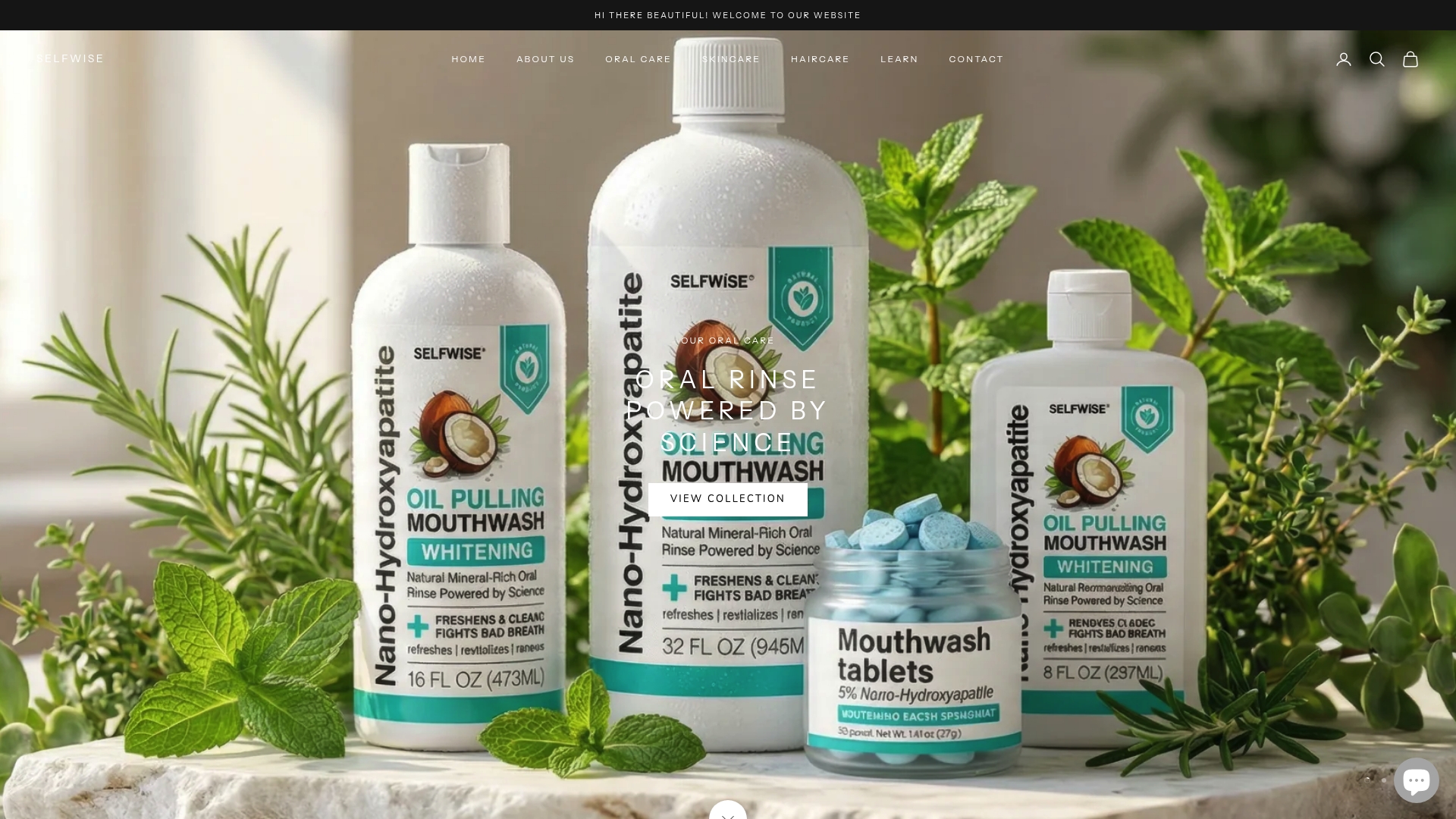
The Selfwisebrand mouthwash collection includes rinses that combine essential oils with nano hydroxyapatite, giving you bacterial control and enamel support in one product. The nano hydroxyapatite works to remineralize enamel while the botanical oils manage the microbial environment. For a complete fluoride-free approach, the fluoride-free oral care range covers everything from rinses to toothpaste alternatives built around ingredients your mouth can actually use.
FAQ
What does tea tree oil do for your gums?
Tea tree oil disrupts bacterial cell membranes to reduce plaque-forming bacteria and calm inflammation in gum tissue. Regular diluted use can reduce swelling, redness, and bleeding associated with gingivitis.
Can you use tea tree oil as a mouthwash every day?
Daily use is not recommended. Essential oils kill both harmful and beneficial oral bacteria, so experts advise using tea tree oil rinses sparingly and targeting periods of active gum sensitivity rather than building it into a daily habit.
Is tea tree oil as effective as chlorhexidine for oral care?
Chlorhexidine outperforms tea tree oil in raw antimicrobial potency in lab tests, but tea tree oil avoids side effects like tooth staining and microbiome disruption. Dental professionals recommend tea tree oil as a complementary option, not a clinical replacement.
What is the correct dilution for tea tree oil in the mouth?
The safe dilution is 1 drop of tea tree oil per 0.5 fluid ounces of carrier liquid such as water or coconut oil. Never apply tea tree oil undiluted in the mouth, and always spit thoroughly to avoid ingestion toxicity.
Can children use tea tree oil for oral care?
Children should not use tea tree oil oral rinses without direct supervision and professional guidance. Ingestion risk is high in younger users, and the toxic symptoms from swallowing tea tree oil include loss of muscle coordination and confusion.
Key takeaways
Tea tree oil delivers real antibacterial and anti-inflammatory benefits for oral health, but safe dilution, targeted use, and professional guidance determine whether those benefits outweigh the risks.
| Point | Details |
|---|---|
| Antimicrobial mechanism | Tea tree oil disrupts bacterial cell membranes to reduce plaque and gingivitis-causing pathogens. |
| Safe dilution is non-negotiable | Use 1 drop per 0.5 fl oz of carrier liquid and always spit to avoid ingestion toxicity. |
| Chlorhexidine comparison | Tea tree oil avoids staining and microbiome disruption but has lower raw antimicrobial potency than chlorhexidine. |
| Targeted use beats daily habit | Reserve tea tree oil rinses for periods of active gum inflammation rather than continuous daily use. |
| Best paired with other methods | Combine with oil pulling, nano hydroxyapatite, or xylitol for a complete natural oral care routine. |