Poloxamer Oral Care: What It Is and How It Works
Poloxamer oral care refers to the use of poloxamers, specifically Poloxamer 407, as functional formulation ingredients in products like toothpaste and mouthwash. According to BASF’s pharmaceutical documentation, poloxamers serve solubilizing, thickening, and stabilizing roles rather than acting as active therapeutic treatments. Poloxamer 407 is not the ingredient fighting cavities or killing bacteria. It is the ingredient making your mouthwash stable, smooth, and effective at delivering the actives that do that work. Understanding this distinction changes how you read an ingredient label.
What is poloxamer 407 in oral care formulations?
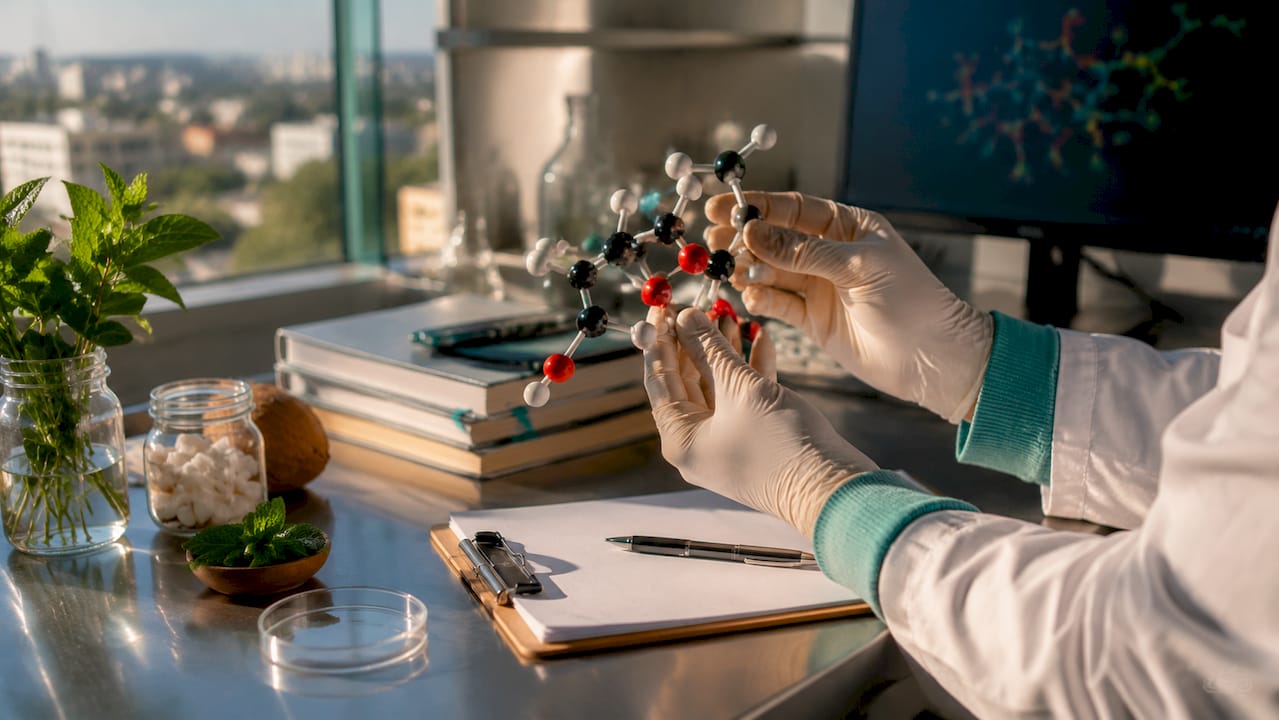
Poloxamer 407 is a non-ionic surfactant built from a tri-block copolymer structure. That means it consists of two outer blocks of polyethylene oxide (PEO) and one central block of polypropylene oxide (PPO). The PEO blocks are water-attracting, while the PPO block is oil-attracting. This dual nature is exactly what makes Poloxamer 407 so useful in oral care products.
Because of this structure, Poloxamer 407 can sit at the boundary between oil and water phases and keep them from separating. In a mouthwash, for example, flavor oils and water would normally repel each other. Poloxamer 407 acts as the molecular connector that holds the formula together. MCB Books’ formulation reference confirms that Poloxamer 407 provides solubilizing, bodying, and gelling properties that enable stable and usable oral care formulations.
One of its more surprising properties is thermoreversible gelation. Aqueous solutions containing more than 20% poloxamer can shift from liquid to gel as temperature rises. This behavior is rare among common cosmetic polymers and opens the door to advanced delivery applications discussed later in this article.
Here is a quick breakdown of Poloxamer 407’s key formulation roles:
- Solubilizer: Dissolves oils and hydrophobic actives into water-based formulas
- Emulsifier: Keeps oil and water phases blended and stable over time
- Bodying agent: Adds thickness and a smooth, consistent texture to gels and rinses
- Film former: Creates a thin coating on tooth surfaces that contributes to smoothness
- Thermoreversible gelling agent: Transitions from liquid to gel at body temperature when used at higher concentrations
Pro Tip: When you see Poloxamer 407 on a toothpaste or mouthwash label, it is near the bottom of the ingredient list in most consumer products. That placement reflects its low-concentration use as a formulation aid, not a primary active.
What benefits does poloxamer offer in toothpaste and mouthwash?
The practical benefits of Poloxamer 407 in oral care products are more significant than most consumers realize. Its value shows up in every use experience, even if you never notice it directly.
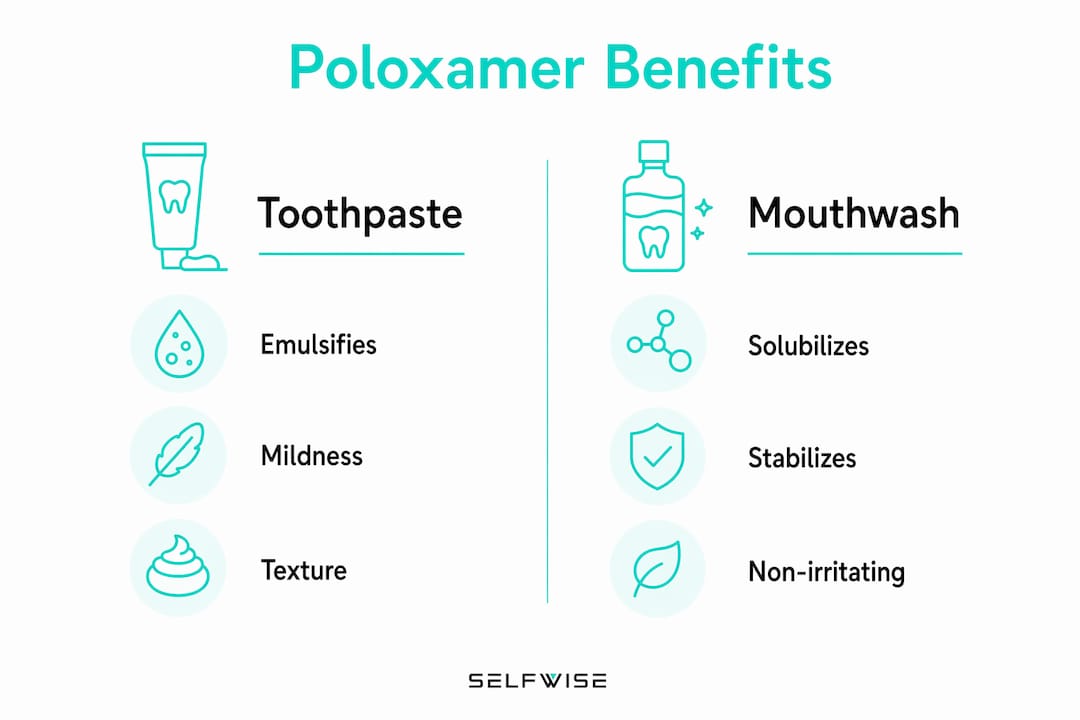
CosmeticLatam’s formulation analysis describes Poloxamer 407 as a mild surfactant and emulsifier that helps blend oils and water for stable mouthwash and toothpaste formulations. That stability is not just cosmetic. A formula that separates on the shelf delivers inconsistent doses of active ingredients, which undermines the product’s effectiveness.
Here are the core consumer benefits Poloxamer 407 delivers:
- Stable flavor delivery. Peppermint, spearmint, and other flavor oils stay evenly distributed throughout the product, so every use tastes the same.
- Smooth, consistent texture. Poloxamer 407 contributes to the creamy or gel-like feel of toothpaste and the non-watery consistency of premium mouthwash.
- Reduced mucosal irritation. BASF’s clinical testing confirms that poloxamers are mild to mucosal surfaces, making them gentler than harsh anionic surfactants like sodium lauryl sulfate (SLS).
- Better active ingredient performance. Poloxamer 407 improves solubility and bioavailability of low-solubility actives, meaning ingredients like xylitol or nano hydroxyapatite reach tooth surfaces more effectively.
- Cleansing support. By emulsifying oils and debris, Poloxamer 407 helps rinse away what accumulates on teeth and gum tissue during the day.
The mildness factor deserves extra attention. Many consumers switching away from SLS-based products are unknowingly benefiting from poloxamer-based formulations. SLS is an anionic surfactant known to cause canker sores and mucosal irritation in sensitive individuals. Poloxamer 407’s non-ionic chemistry avoids that charge-based irritation entirely. If you are exploring natural surfactants in oral rinses, understanding this difference is a practical starting point.
Pro Tip: If your current mouthwash leaves your mouth feeling dry or irritated, check whether it contains SLS. Products formulated with non-ionic surfactants like Poloxamer 407 tend to be significantly gentler on sensitive gum tissue.
How do poloxamer gels advance oral drug delivery?
The most forward-looking application of Poloxamer 407 in oral care is not in consumer mouthwash. It is in thermosensitive in situ gels designed for targeted, sustained treatment of periodontal disease and buccal tissue conditions.
These gels exploit Poloxamer 407’s thermoreversible gelation behavior. At room temperature, the product is a liquid that flows easily and can be applied with a syringe or applicator directly into a periodontal pocket. Once it contacts body temperature (30–37°C), it transitions into a firm gel. That gel then stays in place, releasing therapeutic agents over an extended period.
Research published by RSC Publishing demonstrates that formulations with 14% Poloxamer 407 combined with polyethylene oxide (PEO) can provide sustained drug release for up to 72 hours in buccal gel applications. That is three days of localized treatment from a single application.
| Property | Consumer Product Use | Therapeutic Gel Use |
|---|---|---|
| Poloxamer 407 concentration | Low (formulation aid) | ~14% w/v (functional gelling) |
| Primary function | Emulsify, stabilize, texture | Sustained drug release, mucoadhesion |
| Gelation behavior | Minimal at use concentration | Liquid-to-gel at body temperature |
| Drug release duration | Not applicable | Up to 72 hours |
| Application method | Brush or rinse | Syringe into periodontal pocket |
Adding PEO to these formulations further improves their mechanical performance. RSC Publishing’s research confirms that PEO enhances gel hardness and mucoadhesiveness without compromising drug release or cytocompatibility. That means the gel is strong enough to stay in place during chewing and speaking, yet still releases its payload predictably. Formulators also evaluate syringeability carefully, since a gel that is too stiff cannot be placed accurately in a clinical setting.
This research context matters for consumers. The thermosensitive gel technology represents where poloxamer oral care applications are heading, but it is not what you are getting in a standard tube of toothpaste today.
Common misconceptions about poloxamer in oral care
Several persistent misunderstandings about Poloxamer 407 lead consumers to either overestimate or dismiss its value. Getting the facts straight helps you make better product choices.
-
Misconception: Poloxamer 407 fights bacteria or prevents cavities. It does not. BASF’s documentation is clear that poloxamers are formulation excipients that enhance ingredient delivery rather than provide direct therapeutic effects. The antibacterial or remineralizing work is done by actives like xylitol, nano hydroxyapatite, or fluoride.
-
Misconception: All poloxamers are the same. The poloxamer family includes dozens of grades, each with different molecular weights and PEO/PPO ratios. Poloxamer 188, 338, and 407 each behave differently in formulations. Poloxamer 407 is the most commonly used in oral care due to its specific balance of solubilizing power and gel-forming ability.
-
Misconception: If a product contains poloxamer, it has thermosensitive gel properties. Thermoreversible gelation only occurs at concentrations above 20% poloxamer. Consumer toothpaste and mouthwash use far lower concentrations. The gel behavior seen in research therapeutics does not apply to your daily rinse.
-
Misconception: Poloxamer is a harsh chemical to avoid. Poloxamer 407 is clinically tested for mildness and is non-ionic, meaning it does not carry the charge-based irritation associated with SLS. It is one of the gentler surfactant options available in oral care formulation.
-
Misconception: Research on poloxamer gels proves consumer products are more effective. The sustained release research applies specifically to periodontal therapeutic gels, not to standard consumer mouthwash or toothpaste. Applying clinical gel findings to a retail product is a category error.
Understanding these distinctions helps you evaluate ingredient lists with more confidence and less anxiety.
Key takeaways
Poloxamer 407 is a formulation excipient that makes oral care products stable, smooth, and effective at delivering active ingredients, not a therapeutic agent in its own right.
| Point | Details |
|---|---|
| Poloxamer 407 is an excipient | It solubilizes, emulsifies, and stabilizes formulas rather than fighting bacteria or cavities directly. |
| Mildness is a real benefit | Non-ionic chemistry makes it gentler on mucosal tissue than anionic surfactants like SLS. |
| Concentration determines behavior | Thermoreversible gelation requires concentrations above 20%, far higher than consumer product levels. |
| Therapeutic gels are advanced applications | Research-grade periodontal gels with 14% Poloxamer 407 can sustain drug release for up to 72 hours. |
| Not all poloxamers are equal | Different grades like Poloxamer 188 and 407 have distinct properties suited to different formulation needs. |
Why poloxamer deserves more respect in natural oral care
I have spent years reading ingredient labels and talking to formulators, and Poloxamer 407 is consistently one of the most underappreciated ingredients in oral care. Consumers fixate on the actives, which makes sense. But the excipient is what determines whether those actives actually reach your teeth in a stable, bioavailable form.
What strikes me most is how poloxamer’s mildness profile aligns perfectly with where natural oral care is heading. The shift away from SLS is real and well-founded. Poloxamer 407 offers a non-ionic alternative that does not compromise on performance. For brands building products around nano hydroxyapatite or xylitol, having a gentle emulsifier that keeps those actives dispersed and stable is not optional. It is the difference between a product that works and one that just looks good on paper.
The thermosensitive gel research is also worth watching. The idea that a single periodontal application could deliver sustained treatment for 72 hours is genuinely significant for people managing gum disease. That technology is still largely in research settings, but the trajectory is clear. Poloxamer 407 is not just a legacy excipient. It is an ingredient with a serious future in precision oral health.
If you are building a natural oral care routine, do not skip past the excipients on the label. They tell you a lot about how thoughtfully a product was formulated.
— Viktor
Explore natural oral care built on smart formulation
Knowing what goes into your oral care products is the first step toward choosing ones that actually perform. Selfwisebrand formulates its natural mouthwash collection with ingredients chosen for both efficacy and gentleness, including non-ionic surfactants that keep formulas stable without irritating sensitive gum tissue.
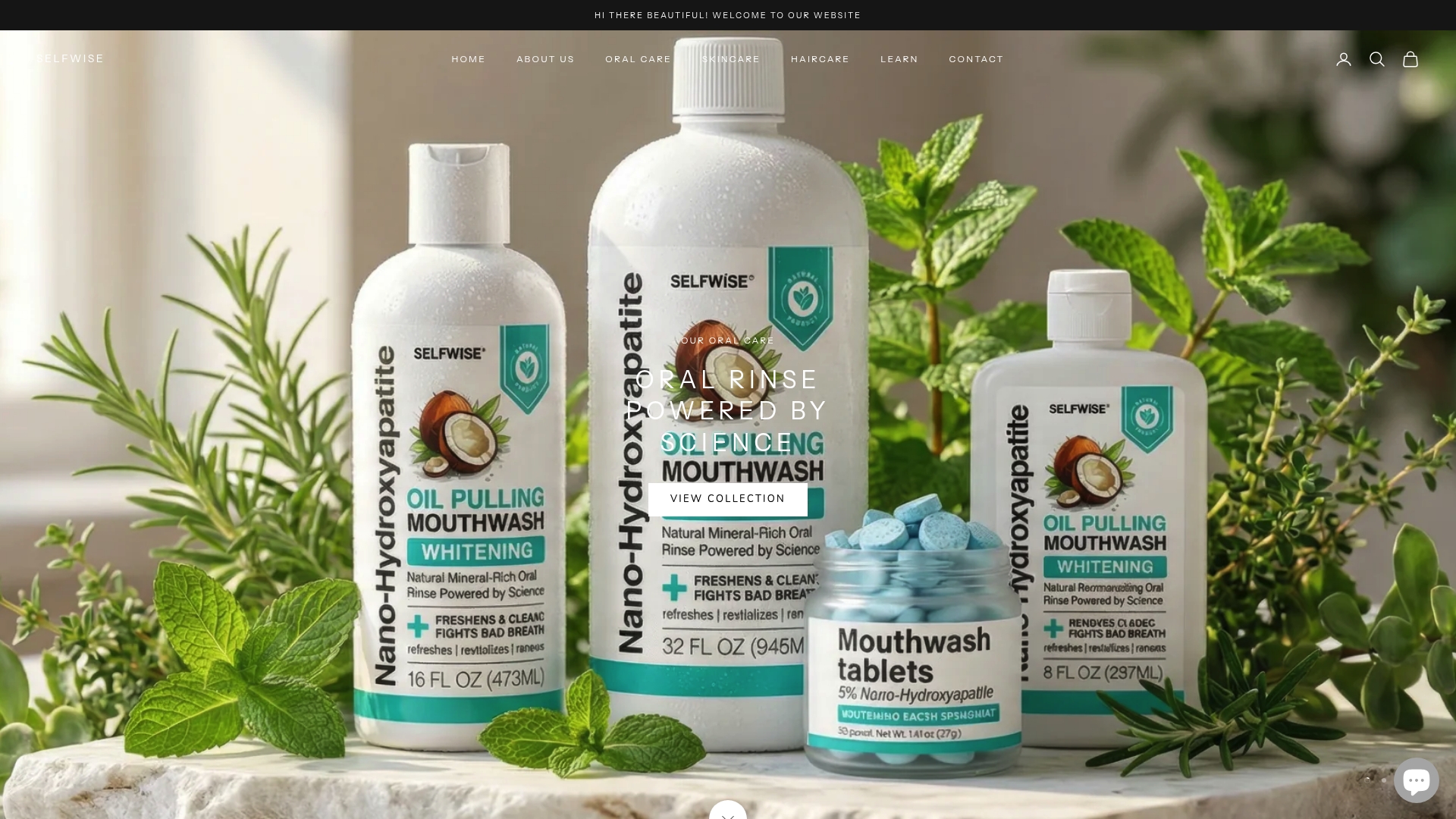
If you are ready to move away from harsh chemicals and toward products built on science-backed natural ingredients, Selfwisebrand’s fluoride-free oral care line is a practical starting point. From nano hydroxyapatite mouthwash tablets to oil pulling formulas, every product reflects the same principle: simple ingredients, real results.
FAQ
What is poloxamer 407 used for in oral care?
Poloxamer 407 is used as a solubilizer, emulsifier, and texture agent in toothpaste and mouthwash. It stabilizes formulas, disperses flavor oils, and improves the delivery of active ingredients to tooth surfaces.
Is poloxamer safe for use in the mouth?
Yes. Poloxamer 407 is clinically tested for mildness and is non-ionic, meaning it causes less mucosal irritation than anionic surfactants like sodium lauryl sulfate. BASF’s pharmaceutical documentation confirms its safety for topical oral application.
Does poloxamer in mouthwash form a gel in your mouth?
No. Thermoreversible gelation requires poloxamer concentrations above 20%, which is far higher than the levels used in consumer mouthwash or toothpaste. Gel formation is a property of research-grade therapeutic formulations, not retail products.
What is the difference between poloxamer and SLS in oral care?
Poloxamer 407 is a non-ionic surfactant, while SLS (sodium lauryl sulfate) is anionic. SLS is associated with canker sores and mucosal irritation in sensitive users. Poloxamer 407 provides similar emulsifying and cleansing functions with a significantly gentler profile.
Can poloxamer replace active ingredients like nano hydroxyapatite or xylitol?
No. Poloxamer 407 is a formulation excipient, not an active ingredient. It supports the delivery and stability of actives like nano hydroxyapatite and xylitol but does not replicate their remineralizing or antibacterial functions.