Can a Remineralizing Mouthwash Replace Your Toothpaste?
Yes, but only with the right formula. A nano-hydroxyapatite (nHAp) rinse, a xylitol-enhanced routine, or an oil-pulling swish can take over toothpaste’s core jobs of remineralizing enamel and disrupting plaque provided you pick a product built for that purpose rather than a standard cosmetic mouthwash. The evidence behind this depends on which ingredient is doing the work: nHAp at concentrations around 10% has repeated clinical support for remineralizing early enamel lesions, while xylitol’s plaque-fighting effect is well documented but dose-dependent.
Three practical paths exist for anyone ready to try mouthwash instead of toothpaste:
- nHAp rinse: replaces the mineral-rebuilding role toothpaste normally plays.
- Xylitol-enhanced routine: works as an adjunct that slows plaque bacteria between brushings.
- Oil-pulling swish: adds mechanical biofilm disruption, not remineralization.
Key Takeaways
Replacing toothpaste with mouthwash works only when the formula is built for remineralization, not cosmetic freshening.
| Point | Details |
|---|---|
| nHAp does the mineral work | Look for concentrations near 10%, the level most RCTs use for enamel remineralization and sensitivity relief. |
| Xylitol needs consistent dosing | Frequent, small doses throughout the day control plaque bacteria better than one large dose. |
| Oil pulling is mechanical only | Use it to disrupt biofilm through swishing, not as a substitute for remineralizing ingredients. |
| Watch for red flags | New sensitivity, pain, or lesion growth means pause the routine and see a dentist. |
| Selfwisebrand matches format to routine | Mouthwash tablets, oil-pulling mouthwash, and xylitol rinses each target a different piece of the routine. |
This article is general information, not a substitute for advice from a qualified doctor. Consult a qualified healthcare professional about your own circumstances before acting on anything here.
Table of Contents
- Mouthwash Instead of Toothpaste: What the Research Actually Shows
- How to Build a Toothpaste-Free Mouthwash Routine
- Nano-Hydroxyapatite, Xylitol, and Oil Pulling: What Each Ingredient Actually Does
- Who Shouldn’t Skip Toothpaste (and Warning Signs to Watch)
- Why Selfwisebrand Builds Around These Three Ingredients
- Which Selfwisebrand Rinse Fits Your Routine
- Sources
- FAQ
Mouthwash Instead of Toothpaste: What the Research Actually Shows
The science splits cleanly along ingredient lines, and knowing which study supports which claim keeps expectations realistic.
Nano-hydroxyapatite has the deepest clinical backing of the three. A scoping review of RCTs and in vitro trials found that 10% nHAp was the concentration most frequently tested, and it consistently increased enamel microhardness while occluding open dentinal tubules, the structures responsible for sensitivity.
Xylitol tells a more nuanced story. Meta-analyses confirm it reduces plaque accumulation and mutans streptococci counts, but the effect is tied to delivery format and dose. Chewing gum dosed around 5 to 6 grams daily, split across several exposures, produces the most consistent results. Rinse-only formats show benefit too, but the evidence is thinner than for gum, mostly because rinses don’t replicate the repeated, sustained low-dose exposure that gum studies used.
Oil pulling sits in a different category entirely. It works mechanically. Prolonged swishing physically pulls bacteria and debris into the oil through a process resembling saponification, and that mechanical action is the primary mechanism reviews point to, not any chemical remineralization. No credible trial shows oil pulling rebuilding enamel mineral content the way nHAp does.
Three gaps matter before you commit to a mouthwash-only routine:
- Long-term, high-quality trials on rinse-only nHAp use (without any toothpaste) over multiple years are still limited.
- Xylitol rinse formats haven’t been studied as extensively as xylitol gum, so dose guidance for rinses is less precise.
- No major dental organization currently endorses oil pulling as a standalone replacement for mechanical hygiene.
How to Build a Toothpaste-Free Mouthwash Routine
Swapping toothpaste for a remineralizing rinse works best when you mirror how the actual studies applied these ingredients, not just splash and spit.
- Morning rinse: swish an nHAp mouthwash for 1 to 2 minutes, matching the contact time used in several RCTs that reported microhardness gains.
- Evening rinse: repeat the nHAp swish before bed, when saliva flow drops and teeth are more vulnerable overnight.
- Oil pulling (optional, separate session): swish about a tablespoon of oil for several minutes, typically between 5 and 20 minutes, ideally before your morning rinse, then spit it in the trash, never the sink.
- Xylitol layer: add a xylitol rinse or a few pieces of xylitol gum between meals to extend plaque control through the day.
- Targeted spots: for a sensitive tooth or an early white-spot lesion, apply nHAp paste directly with a cotton swab or a soft tray rather than relying on rinsing alone.
Mechanical plaque removal still matters; complement your oral routine with proven hygiene strategies like those in a reliable mouth guard cleaning routine to keep appliances fresh and effective. A rinse cleans chemically, but it doesn’t scrape biofilm off tooth surfaces the way bristles do. Keep flossing daily, and if you drop the toothbrush entirely, consider a soft interdental brush or silicone finger brush to maintain some physical agitation.
Give any new routine a two to four week trial period and watch for changes in sensitivity, breath, or visible plaque buildup before deciding it’s working.
Pro Tip: Never pour oil-pulling oil down the sink. Coconut oil solidifies at room temperature and can clog drains over time. Spit it into a trash-lined cup instead.
If you want to alternate with fluoride toothpaste on some days while transitioning, do that only under a dentist’s guidance, especially if you have a history of cavities.
Nano-Hydroxyapatite, Xylitol, and Oil Pulling: What Each Ingredient Actually Does
These three ingredients don’t compete. They solve different problems, and understanding the mechanism behind each one clarifies why combination formulas make sense.
Nano-hydroxyapatite mimics the mineral structure of natural enamel. Enamel is made of hydroxyapatite crystals, and lab research shows that nHAp particles, typically 20 to 40 nanometers wide, are structurally similar enough to enamel that they can act as a calcium-phosphate reservoir, depositing into microscopic defects and promoting further mineral growth. That’s why nHAp shows up in the research as a genuine remineralizer, not just a surface coating.
- Typical clinical concentration: around 10%.
- Expected results: increased microhardness, occluded dentinal tubules, reduced sensitivity.
- Best format: liquid rinse for daily use, paste or tray application for targeted lesions.
Xylitol interferes with the metabolism of Streptococcus mutans, the bacteria most responsible for cavity-causing acid production. It doesn’t remineralize anything directly. Instead, it shifts the oral bacterial ecology over time, which is why gum studies with multiple daily doses providing total xylitol amounts in the moderate range show the clearest plaque reductions. Rinse formats deliver a smaller, less sustained dose, so treat xylitol mouthwash as an adjunct rather than the main event.
Oil pulling works through swishing alone. Extended contact time, generally one tablespoon for 5 to 20 minutes, lets oil trap bacteria and loosen surface debris. It’s a mechanical ritual, not a chemical treatment, and pairing it with an nHAp rinse covers both sides of the equation: mineral repair from the nHAp, biofilm disruption from the oil.
Who Shouldn’t Skip Toothpaste (and Warning Signs to Watch)
Not everyone is a good candidate for a mouthwash-only routine. Some situations call for professional oversight before you drop toothpaste altogether.
- High caries risk individuals (frequent cavities, dry mouth, high sugar intake) should talk to a dentist before switching.
- Young children risk swallowing rinse or oil, so most formulas aren’t appropriate without supervision.
- Orthodontic patients with braces or aligners often need targeted fluoride or nHAp application that a simple rinse can’t replicate around brackets.
- Anyone with active white-spot lesions or diagnosed decay needs a dentist-guided plan, not self-directed substitution.
A few safety notes matter regardless of risk category: swallowing large amounts of xylitol can cause gastrointestinal upset, oil pulling residue should never go down a drain, and nHAp products at higher concentrations may aggregate, reducing effectiveness rather than gain it. If you notice new sensitivity, pain, or a lesion that seems to be growing, stop the substitution and see a dentist.
Why Selfwisebrand Builds Around These Three Ingredients
The evidence on nHAp and xylitol shaped how Selfwisebrand formulates. A 10% nHAp concentration isn’t arbitrary. It’s the level clinical research keeps pointing to as the sweet spot between remineralization strength and formula stability, and Selfwisebrand’s rinses are built around that number rather than guessing higher for marketing appeal.
Oil pulling gets treated honestly too, as a mechanical ritual worth doing, not a cure marketed with overblown claims. That distinction between what the research supports and what the ingredient can’t do shapes every formulation and every educational guide Selfwisebrand publishes on safe adoption.
— Viktor
Which Selfwisebrand Rinse Fits Your Routine
If you’ve read this far, you already know the three ingredients that matter: nHAp for remineralization, xylitol for plaque control, and oil pulling for mechanical cleaning. The question now is which format fits your day.
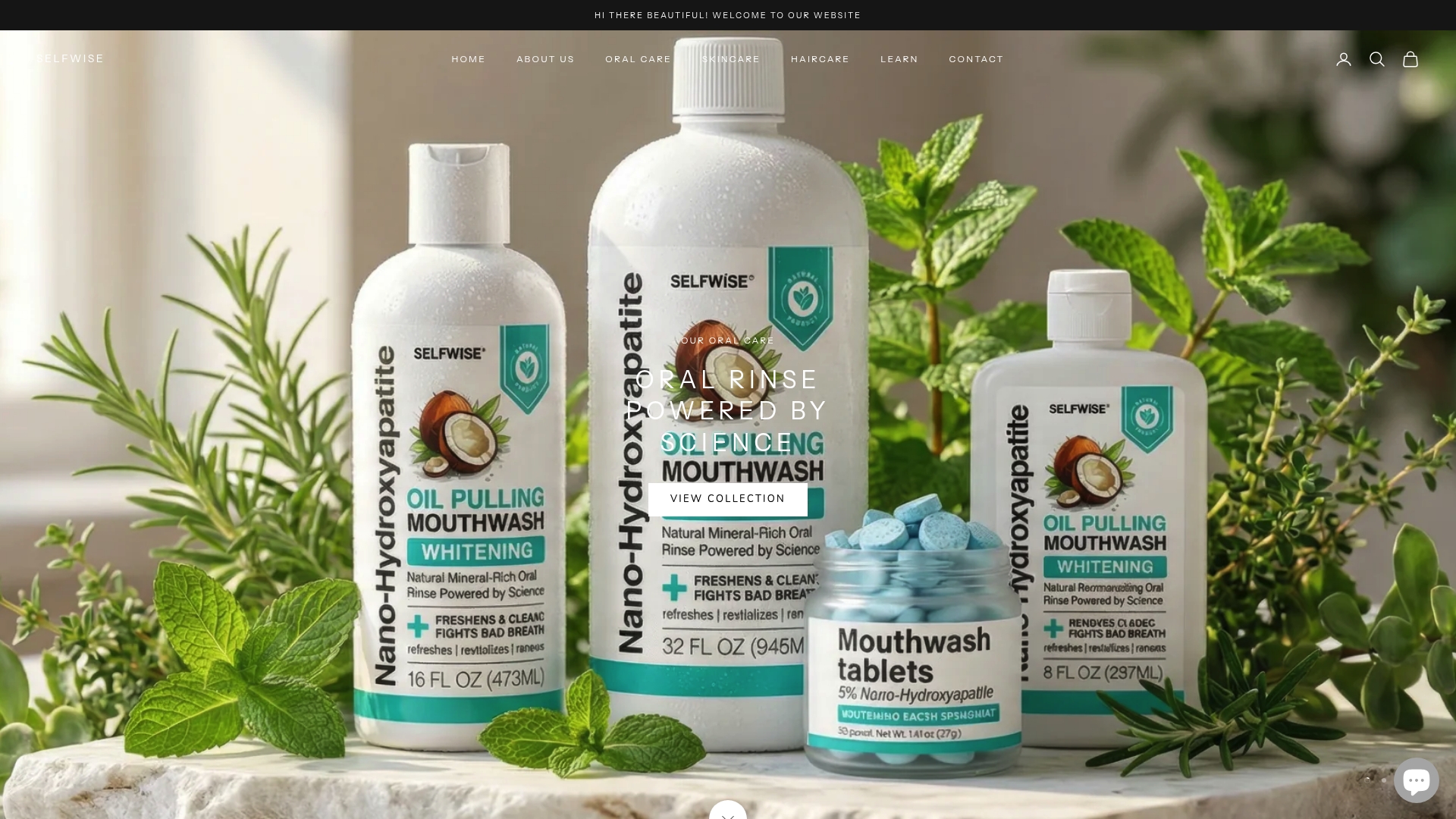
For daily use or travel, Nano Hydroxyapatite Mouthwash Tablets dissolve in water on demand, so you’re not carrying a bottle through airport security or leaving a half-used rinse in a gym bag. If you want the longer swish time the oil-pulling research points to, the Nano Hydroxyapatite Oil Pulling Mouthwash combines the mechanical benefit of swishing with the remineralizing ingredient the studies actually back, instead of asking you to choose one or the other. For an added plaque-control layer between rinses, browse the xylitol mouth rinse options built to work alongside your nHAp routine.
Start with a two to four week trial, keep flossing daily, and pair the switch with your regular dental checkups. Browse the full Mouthwash collection to pick the format that matches your routine and place your first order today.
Sources
FAQ
Can Mouthwash Replace Toothpaste Completely?
A specially formulated nHAp or xylitol rinse can take over toothpaste’s remineralizing and plaque-control roles, but you still need mechanical plaque removal from flossing or an interdental brush.
Is Mouthwash as Effective as Toothpaste for Cavities?
Nano-hydroxyapatite rinses at 10% concentration show comparable remineralization markers to fluoride in several studies, though long-term rinse-only trials remain limited.
How Long Should I Swish an nHAp Mouthwash?
Most clinical trials used swishes of 1 to 2 minutes, twice daily, to achieve measurable microhardness and sensitivity improvements.
Can I Skip Toothpaste If I Do Oil Pulling?
Oil pulling disrupts biofilm mechanically but doesn’t remineralize enamel, so pairing it with an nHAp rinse covers what oil pulling alone cannot.
What’s the Best Mouthwash for Dental Hygiene Without Fluoride?
Look for a fluoride-free formula listing nano-hydroxyapatite near 10% concentration or xylitol as an active ingredient, such as the options in Selfwisebrand’s mouthwash collection.


%20rinse,%20a%20xylitol-enhanced%20routine,%20or%20an%20oil-pulling%20swish%20can%20take%20over%20toothpaste%E2%80%99s%20core%20jobs%20of%20remineralizing%20en...)