Castor Oil Scalp Massage: A Safe, Step-by-Step Routine
Yes, a castor oil scalp massage can improve hair shine, scalp hydration, and the surface appearance of strands, but it is not a proven cure for hair loss. A 2022 systematic review found weak evidence that castor oil reliably grows hair, even though people have used it for generations as a conditioning and occlusive treatment.
The routine itself is simple: dilute castor oil with a lighter carrier oil, warm it slightly, massage it into the scalp with finger pads for 5 to 15 minutes, leave it on for 30 to 60 minutes (or overnight only if your scalp tolerates it), then double-shampoo it out.
- Patch test on your inner elbow 24 hours before your first scalp application.
- Dilute castor oil 1:1 or 1:2 with jojoba, coconut, or argan oil.
- Massage in small circles for 5 to 15 minutes, then rinse thoroughly to avoid buildup.
Quick fact: Healthline recommends using diluted castor oil no more than once a week for most people, since it’s thick, occlusive, and can be genuinely hard to wash out if overused.
Key Takeaways
Castor oil scalp massage works best as a diluted, weekly conditioning routine backed by consistent massage technique rather than a growth guarantee.
| Point | Details |
|---|---|
| Patch test first | Test diluted oil on your inner elbow and wait 24 hours before any scalp application. |
| Dilute before applying | Mix castor oil 1:1 or 1:2 with jojoba, coconut, or argan oil to ease spreading and washout. |
| Match frequency to scalp type | Use twice weekly for dry scalps, down to every 10 to 14 days for dandruff-prone scalps. |
| Wash thoroughly to prevent felting | Double-shampoo with the second wash focused on roots to avoid rare but serious matting. |
| Choose scalp-formulated products | Selfwisebrand’s scalp care line offers pre-diluted castor oil formulas built for this exact routine. |
Table of Contents
- How Do You Do a Castor Oil Scalp Massage Step by Step?
- What Kind of Castor Oil Should You Use, and How Do You Prep It?
- How Long Should Castor Oil Stay on Your Scalp?
- What Are the Risks of Castor Oil on Your Scalp?
- Does the Research Actually Support Castor Oil for Hair Growth?
- How Selfwisebrand’s Castor Oil Products Fit This Routine
- Can Castor Oil Interfere With Other Hair or Scalp Treatments?
- What Should You Do After a Castor Oil Scalp Massage?
- Does Castor Oil Affect Oily, Dry, and Sensitive Scalps Differently?
- Why This Routine Beats the Hype Around Castor Oil
- Get More From Your Scalp Routine With Selfwisebrand
- Sources
- FAQ
How Do You Do a Castor Oil Scalp Massage Step by Step?
Good technique matters more than most people assume. A 2016 standardized scalp massage study found that four minutes of daily mechanical massage over 24 weeks increased hair thickness in participants, independent of any product applied. That means the massage mechanics themselves are doing real work, not just the oil sitting on top of your scalp.
1. Section your hair first. Part your hair into four to six sections using clips or hair ties. Working section by section keeps the oil concentrated on the scalp instead of soaking down the full length of your hair, which makes washout dramatically easier later.
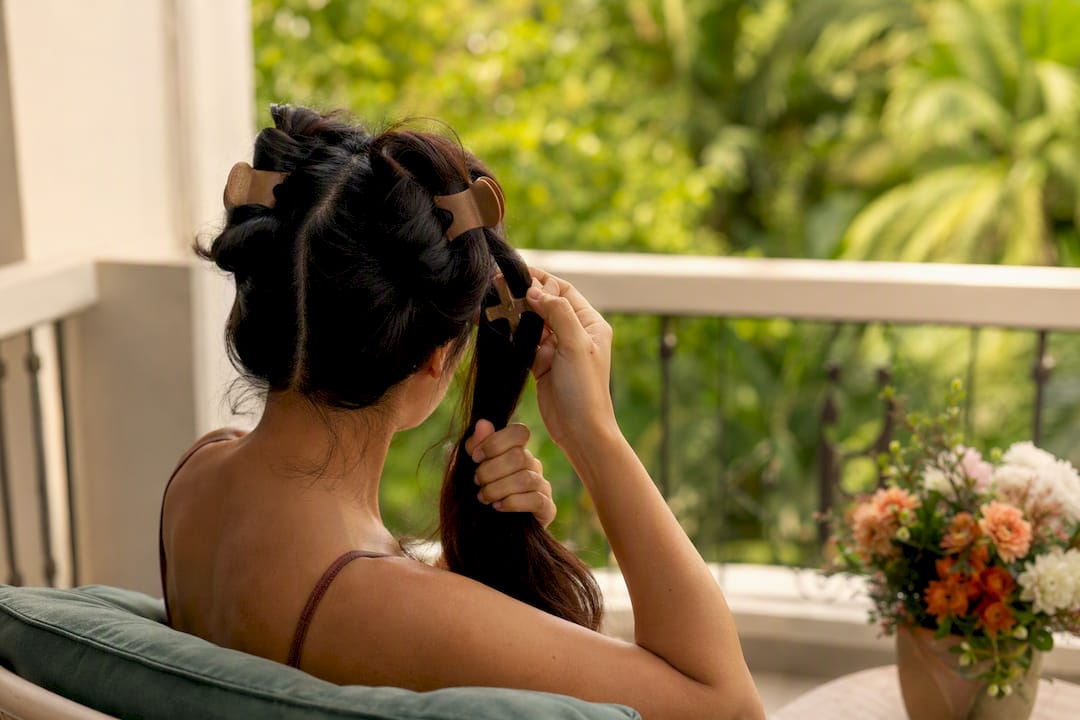
2. Apply along the part lines. Use a dropper or an applicator brush to run diluted oil directly along each exposed part line. Resist the urge to dump oil across your whole head at once. A staged, part-by-part application uses less product and keeps things manageable when it’s time to rinse.
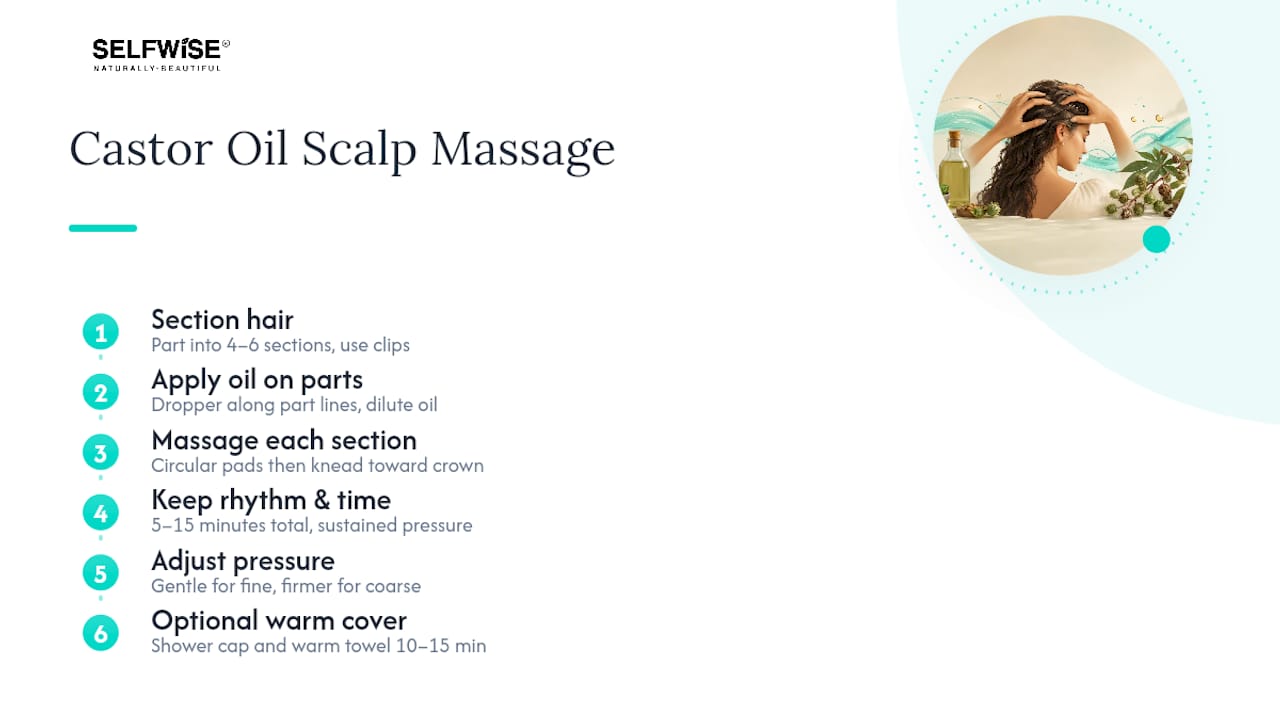
3. Massage one section before moving to the next. Use the flat pads of your fingers, never your nails, to work small circular motions into the scalp. Follow with a light kneading, lift-and-squeeze motion, similar to how you’d knead dough, moving methodically from your hairline back toward the crown.
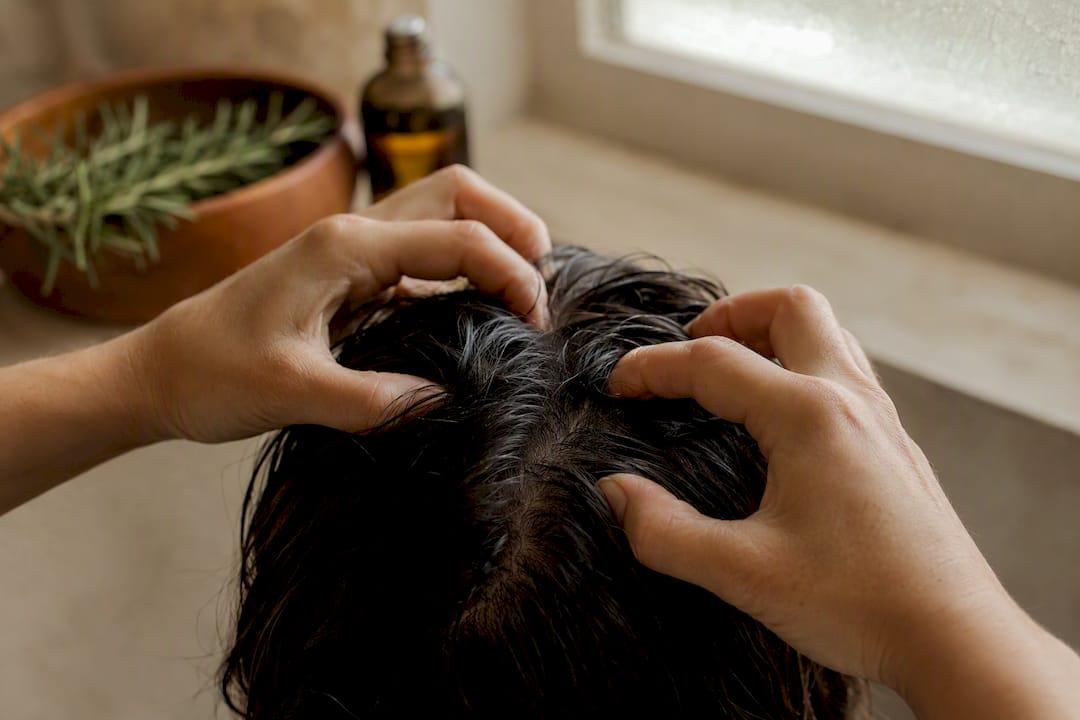
4. Keep it rhythmic and unhurried. Spend roughly 5 to 15 minutes total across your whole scalp. Rushing through it defeats the purpose. The circulation and follicle stimulation research points to comes from sustained, repeated pressure, not a 60 second scrub.
5. Adjust pressure for your hair texture. Fine or fragile hair does best with gentle, sweeping circles. Thicker or coarser hair can tolerate firmer kneading pressure. Either way, avoid aggressive back and forth friction, which tangles strands and sets up exactly the kind of matting that makes oil treatments hard to remove.
6. Add gentle heat if you want deeper absorption. Once you’ve massaged the oil in, cover your head with a shower cap and wrap a warm towel around it for 10 to 15 minutes. This method is used in professional hot oil hair growth treatments to enhance penetration and scalp hydration. The warmth helps the oil spread and may improve how well it penetrates the scalp’s surface layer.
A handheld silicone scalp massager can help if your hands tire easily, and a kitchen timer keeps you honest about actually hitting the 5 to 15 minute window instead of guessing.
Pro Tip: Massage before you apply more oil to the next section, not after you’ve oiled your whole scalp. It keeps each area from over-saturating and cuts your washout time significantly.
What Kind of Castor Oil Should You Use, and How Do You Prep It?
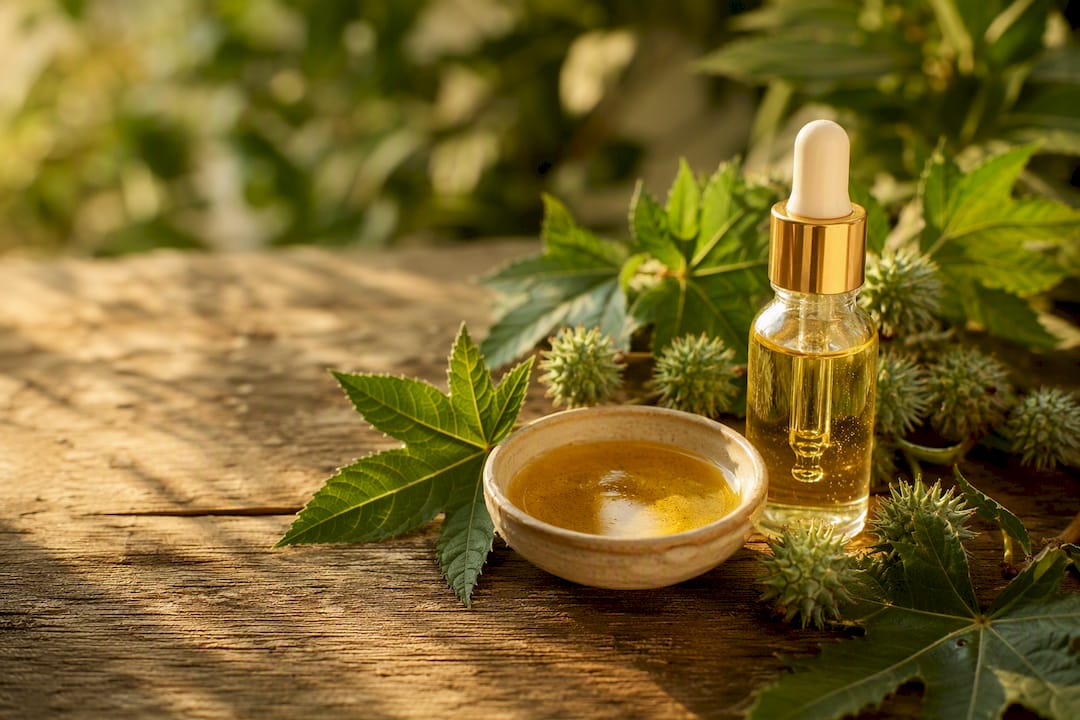
Cold-pressed castor oil is the lighter, more neutral-smelling option and works well as a general conditioning oil for most scalp types. Jamaican black castor oil is roasted before pressing, which gives it a darker color, a smokier smell, and a slightly higher ash content that some people believe supports scalp health, though the dermatology literature on this remains thin.
Either type is too thick to use straight on most scalps. Diluting it improves spreadability and cuts your risk of clogged pores and difficult washout, according to practical castor oil guidance. A few reliable combinations:
- 1:1 with jojoba oil for a balanced, non-greasy blend that mimics natural sebum.
- 1:2 with coconut oil if your scalp runs dry and you want extra moisture.
- 1:1 with argan oil for a lighter finish that’s easier to rinse from fine hair.
You can browse Selfwisebrand’s hair oils collection for pre-blended options if you’d rather skip the DIY measuring.
To warm your blend, set the bottle in a bowl of warm (not hot) water for a few minutes and test it on your wrist before applying it to your scalp. It should feel comfortably warm, never hot. Warming lowers the oil’s viscosity, which helps it spread more evenly and may improve absorption.
Before any of this touches your scalp, run a patch test. Apply a small amount of your diluted mixture behind your ear or on the inside of your elbow and wait 24 hours. Redness, itching, or bumps mean skip the scalp application. A clear patch after a full day is your green light.
How Long Should Castor Oil Stay on Your Scalp?
Leaving the oil on from around thirty minutes to an hour is usually enough to condition the scalp without causing excessive buildup that hampers washing. Overnight application works for some, but it raises your risk of pillow stains, product transfer, and the rare but real felting issue covered in the next section, so anyone with long or easily tangled hair should stick to the shorter window.
Frequency depends heavily on your scalp type:
| Scalp Type | Recommended Frequency |
|---|---|
| Dry | Twice weekly |
| Normal | One to two times weekly |
| Oily | Once weekly |
| Dandruff-prone | Every 10 to 14 days |
Healthline’s guidance caps most people at once a week regardless of scalp type, which is a reasonable default if you’re unsure where you fall.
Washing it out properly matters as much as the massage itself:
- Shampoo twice, applying the second wash directly to dry-ish, oil-saturated roots before adding water.
- Let conditioner sit on your lengths only, away from the scalp, to avoid re-depositing oil.
- Use warm, not hot, water, since hot water can push oil further into strands rather than lifting it out.
If your hair still feels coated or looks dull a day after washing, that’s your signal to space out your next session or use less oil next time.
What Are the Risks of Castor Oil on Your Scalp?
Hair felting is the risk that shows up most often in clinical write-ups, and it’s genuinely worth taking seriously. It happens when a heavy, occlusive oil combines with tangled or unwashed hair and never fully rinses out, causing strands to mat together into a dense, rope-like clump. Verywell Health notes this reaction is rare but severe enough that some cases require professional detangling rather than a simple rewash.
Dilution and thorough double-shampooing are your best prevention. If matting does happen, patient detangling with an oil-dissolving cleanser works better than forcing a comb through it or reaching for scissors.
Beyond felting, watch for:
- Product buildup and clogged pores, especially with oily or acne-prone scalps, since castor oil is highly occlusive and can trap sebum and dead skin against the skin.
- Allergic contact dermatitis, showing up as redness, itching, or small bumps where oil touched the skin. Stop use immediately and rinse thoroughly if this happens.
- Worsening dandruff, since occlusive oils can disrupt scalp microbiome balance on skin that’s already flaking.
See a dermatologist if you notice increasing itch, unexplained shedding, scalp pain, or matting that won’t comb out after washing.
Does the Research Actually Support Castor Oil for Hair Growth?
The honest answer is that evidence for regrowth is thin, while evidence for cosmetic conditioning is more solid. A 2022 systematic review examined 22 articles on natural oils and found limited support for castor oil improving hair growth specifically, with coconut oil showing stronger results for treating brittle, damaged strands.
That doesn’t mean castor oil does nothing. Medical News Today points to its occlusive, moisturizing properties as a legitimate reason it shows up in conditioning routines, separate from any growth claim. Castor oil is roughly 90% ricinoleic acid, a fatty acid with some documented anti-inflammatory activity, which may explain why users report calmer, less flaky scalps even without measurable new growth.
Ricinoleic acid’s theoretical anti-inflammatory action is plausible, but no high-quality human trial has confirmed it translates into reliable regrowth. The honest framing is conditioning benefit now, uncertain growth benefit later.
If you’re using castor oil for shine and scalp comfort, expect changes within a few weeks. If you’re hoping for measurable new growth, give it several months and know the standardized massage protocol referenced earlier suggests the massage itself may matter as much as the oil. Anyone dealing with diagnosed hair loss, whether pattern baldness or an autoimmune condition, should talk to a dermatologist rather than relying on topical oils alone.
How Selfwisebrand’s Castor Oil Products Fit This Routine
Selfwisebrand’s scalp care collection includes castor oil formulations built specifically for the dilution and massage steps covered above, so you’re not left guessing at ratios with a bottle from a pharmacy shelf. The scalp care collection is formulated for direct scalp application rather than the thicker, undiluted castor oil sold for industrial or laxative use.
A simple routine using a Selfwisebrand product looks like this:
- Warm a small amount in its bottle using the warm water bath method described earlier.
- Section your hair and apply along part lines with the dropper included in most Selfwisebrand hair oil packaging.
- Massage for 5 to 15 minutes using the finger pad technique, then leave on for 30 to 60 minutes.
- Double-shampoo to fully remove residue before conditioning.
For readers who want to pair castor oil with a complementary carrier, Selfwisebrand’s hair growth line and hair growth ingredients page break down which actives work well together. Cosmetic conditioning is the realistic goal here. Anyone concerned about actual hair loss should still see a clinician alongside using any topical routine.
| Point | Details |
|---|---|
| Product fit | Selfwisebrand’s scalp care line is pre-diluted for direct scalp use, skipping the DIY measuring step. |
| Application order | Warm, section, apply along part lines, massage, then leave on before washing out. |
| Clinical caveat | Diagnosed hair loss still needs a dermatologist; topical oils address cosmetic conditioning only. |
Can Castor Oil Interfere With Other Hair or Scalp Treatments?
Castor oil’s occlusive nature means it can sit on top of other products rather than blending with them, which matters if you’re layering treatments. Applying it right before or after a leave-in minoxidil treatment, for example, can dilute the medication’s contact with the scalp or create a greasy barrier that keeps it from absorbing properly. Most guidance suggests separating castor oil massages from medicated scalp treatments by at least a full day.
Chemical treatments raise a different concern. If you’ve recently had a relaxer, perm, or scalp bleaching service, wait until any irritation has fully healed before massaging in castor oil, since the combination of a compromised skin barrier and an occlusive oil increases the odds of irritation. Heavy styling products, like waxes or thick pomades, can also compound buildup issues when combined with castor oil, making your double-shampoo step even more important.
If you use a scalp exfoliant or a clarifying shampoo as part of your routine, apply those on a separate day from your oil massage rather than back to back. Stacking too many active steps at once makes it harder to tell which product is responsible if your scalp reacts.
When in doubt, simplify. One active scalp treatment per session, with castor oil massage as its own dedicated step, keeps your routine easy to troubleshoot and easier on your skin.
What Should You Do After a Castor Oil Scalp Massage?
The massage itself is only half the routine. What you do afterward determines whether you get lasting hydration or just a greasy scalp by tomorrow. Rinse with a sulfate-free clarifying shampoo first, focusing the second wash entirely on your roots rather than your ends, which tend to be drier and don’t need the extra cleansing.
Let hair air-dry partway before brushing, since wet hair is more fragile and prone to breakage right after a massage session. A wide-tooth comb, started at the ends and worked upward, prevents the kind of tugging that undoes the benefits you just worked for.
Avoid heat styling immediately after a massage day if you can. Your scalp has just been through a round of stimulation and product exposure, and adding heat on top of that is an unnecessary stressor. If you must style, keep tools on the lowest effective setting.
Applying a lightweight leave-in on your lengths, rather than more oil at the roots, rounds out the routine without undoing your washout work. Consistency matters more than intensity: a scalp massage done well once or twice a week, followed by proper aftercare, tends to produce better results over a few months than an occasional heavy-handed session.
Does Castor Oil Affect Oily, Dry, and Sensitive Scalps Differently?
Your scalp type changes how castor oil behaves, and ignoring that is where most people run into trouble. Oily scalps already produce excess sebum, so adding a heavy, occlusive oil on top can tip things into visible buildup and clogged follicles faster than on drier scalps. If this is you, dilute more heavily (closer to 1:2 with a lighter carrier like jojoba) and cap sessions at once weekly.
Dry scalps generally tolerate castor oil best and see the most noticeable hydration benefit, since the oil’s occlusive property locks in moisture that a dry scalp is otherwise losing. Twice weekly application, as noted earlier, tends to work well here without overwhelming the skin.
Sensitive or eczema-prone scalps carry the highest risk of contact irritation, since occlusive oils can trap heat and moisture against skin that’s already compromised. A patch test isn’t optional in this case, and even after a clear patch test, start with a shorter dwell time of 20 to 30 minutes rather than jumping straight to an hour.
Dandruff-prone scalps sit in a gray zone. Some people find castor oil’s moisturizing effect calms flaking, while others find the occlusion worsens it by disrupting the scalp’s natural balance. If you fall into this group, space sessions out to every 10 to 14 days and watch closely for whether flaking improves or worsens over a month.
Why This Routine Beats the Hype Around Castor Oil
Most articles on this topic oversell castor oil as a near-miracle growth serum, then bury the safety caveats in a footnote. That gets the emphasis backward. The strongest evidence here points to massage mechanics and consistent, moderate use doing the real work, not the oil bottle itself.
What’s underrated is how much washout technique determines your actual experience. People who report bad reactions to castor oil are almost always dealing with a removal problem, not an ingredient problem. Dilute properly, section your application, and double-shampoo, and most of the downsides in dermatology guidance simply don’t materialize.
If you take one thing from this article, prioritize technique and frequency discipline over chasing a bigger dose or longer overnight soak. A modest, well-executed weekly routine beats an aggressive one you abandon after a bad felting scare. Treat castor oil as a conditioning tool with a pleasant side effect of scalp comfort, and you’ll use it correctly for years instead of giving up on it after one rough week.
— Viktor
Get More From Your Scalp Routine With Selfwisebrand
Selfwisebrand built its scalp care line around the exact problem this article just walked through: castor oil works best diluted, warmed, and applied with intention, not poured on straight from an industrial bottle meant for other uses. If you’d rather start with a formulation designed for scalp application than measure your own ratios, the scalp care collection gives you that starting point.
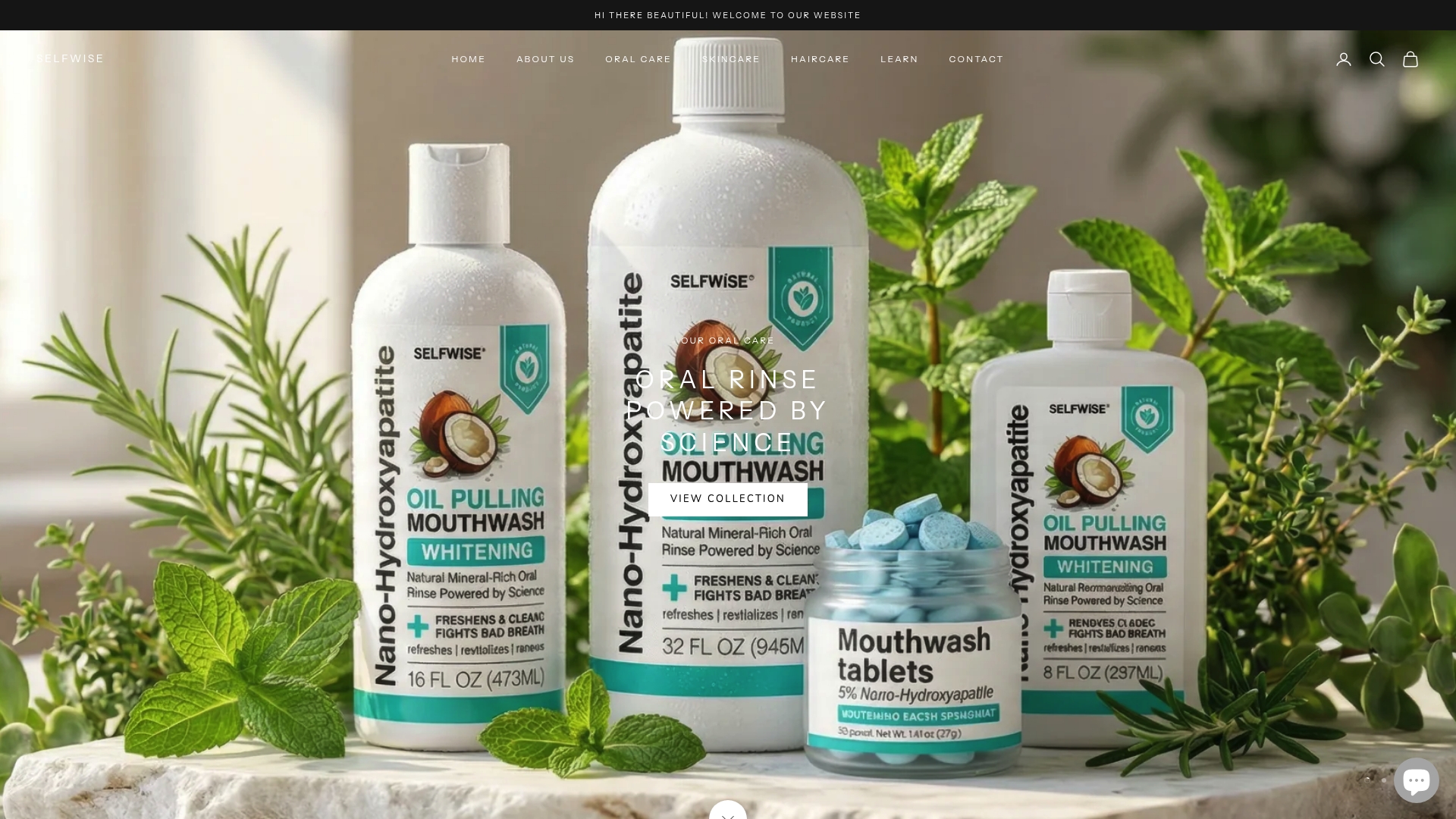
While hair care is part of what Selfwisebrand offers, the brand’s core focus is natural oral care, and the same philosophy applies there: simple, well-formulated ingredients instead of harsh chemicals. If you’re already rethinking what you put on your scalp, it’s worth applying that same standard to what you put in your mouth every day. Selfwisebrand’s nano hydroxyapatite oil pulling mouthwash brings the same oil-based, fluoride-free approach to your oral care routine that you’re now using on your scalp. Check out the mouthwash collection to see the full range and find the formula that fits your routine.
Sources
- Should You Try Castor Oil for Thicker Hair? — Verywell Health
- Coconut, castor, and argan oil review — J Drugs Dermatol (2022)
- Standardized scalp massage study (NCBI PMC)
- Castor oil for hair growth — Healthline
FAQ
Is It Good to Rub Castor Oil on Your Scalp?
Yes, for most people, diluted castor oil applied with a proper massage technique can improve scalp hydration and hair shine, though it’s not a proven treatment for hair loss.
What Are the Downsides of Using Castor Oil on Hair?
The main risks are buildup, clogged pores, allergic irritation, and in rare cases, severe matting called hair felting if the oil isn’t diluted and washed out thoroughly.
How Long Should You Leave Castor Oil on Your Scalp?
Thirty to sixty minutes is enough for most people; overnight application is possible but raises the risk of matting and product transfer, especially for those with long or easily tangled hair.
How Often Should I Massage My Scalp With Castor Oil?
Frequency depends on scalp type: twice weekly for dry scalp, once or twice weekly for normal scalp, once weekly for oily scalp, and every 10 to 14 days for dandruff-prone scalp.
Can Castor Oil Scalp Massage Replace Medical Hair Loss Treatment?
No. Castor oil supports cosmetic conditioning and scalp comfort, but diagnosed hair loss conditions require a dermatologist’s evaluation and proven medical treatments.