Article: Gluten Free Mouthwash: How to Check Any Bottle
Gluten Free Mouthwash: How to Check Any Bottle
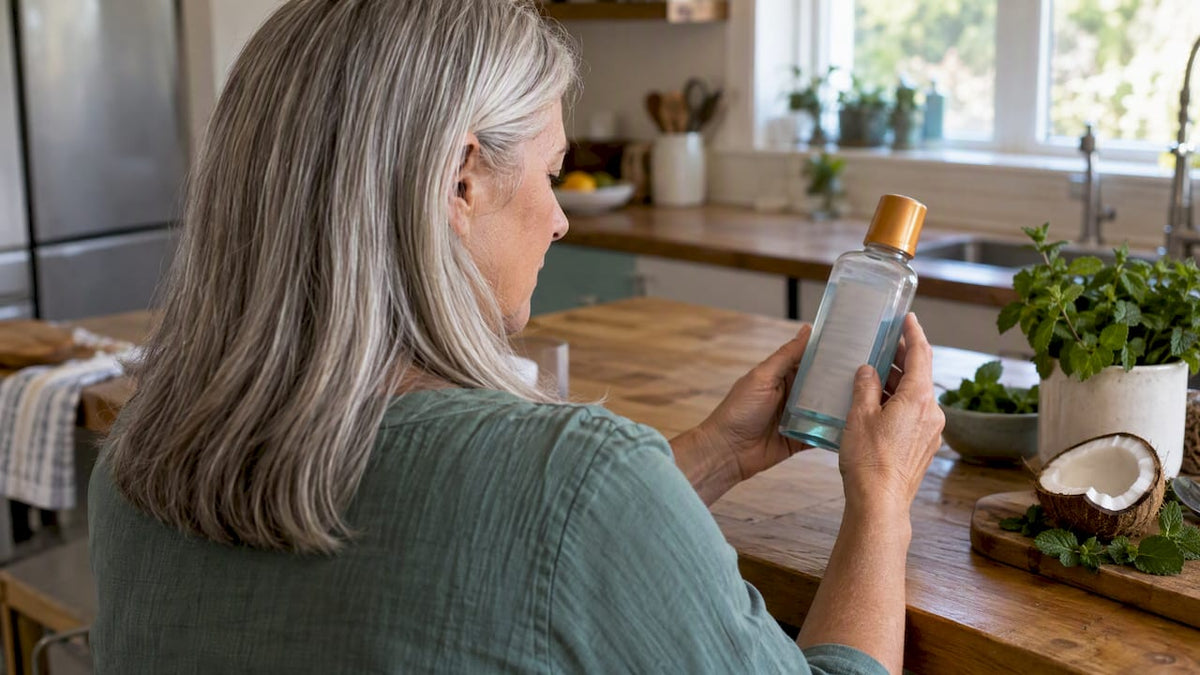
Most mouthwash is gluten free, but “most” is not a guarantee. Gluten can show up through flavorings, colorings, other additives, or the grain that was used to make the alcohol, and a bottle rarely tells you the full story. If you have celiac disease or a gluten sensitivity, the safe approach is a short, repeatable check: read the ingredient list, look for grain-derived names, and ask the manufacturer about cross-contact. This guide walks you through that check step by step.
TL;DR
- Mouthwash is typically gluten free, but additives, flavorings, colorings and alcohol sources can introduce gluten.
- Scan the label for wheat, barley, rye, malt, oats and their Latin names, such as triticum vulgare and hordeum vulgare.
- A missing “gluten free” label does not mean a product is unsafe, and a label alone does not settle cross-contact. Contacting the manufacturer is the most reliable check.
- Alcohol-free and simple-ingredient rinses have fewer places for gluten to hide, but you still verify each formula.
Table of Contents
- Is mouthwash gluten free?
- Where gluten can hide in a rinse
- What the research says about real products
- How to read a mouthwash label for gluten
- Ask the manufacturer: a short script
- Do natural and alcohol-free mouthwashes differ?
- Our perspective
- Building a simple, label-friendly routine
- Explore our natural rinses
- FAQ
- Sources
Is mouthwash gluten free?
Usually, yes. Beyond Celiac, a patient organization, says mouthwash is typically gluten free, with the caveat that it can contain gluten through additives, flavorings, colorings, or possibly the source of its alcohol. That is the honest answer: the category is low risk, but each product is its own case.
There is also a reason to care even though you spit mouthwash out. The Celiac Disease Foundation’s 2024 label-reading guide notes that gluten is not absorbed through intact skin, yet people with celiac disease should not ingest gluten-containing oral-health products. Rinses touch your lips, tongue and gums, and some liquid is almost always swallowed. Stanford Medicine Children’s Health likewise advises double-checking ingredient lists on mouthwash and other products that contact the lips or mouth.
Where gluten can hide in a rinse
A mouthwash is mostly water, a humectant, a flavor, a sweetener and a preservative system. Gluten is unlikely in any of those on paper. The risks are in the details.
Alcohol from grain
Traditional rinses use ethanol. Beyond Celiac points out that ethanol may be made by fermenting sugars from wheat or barley, or from sources such as sugarcane or grapes. The label will not usually say which one. This is one reason people with celiac disease often look at alcohol-free formulas first, though it is a reason to ask questions, not proof that an alcohol-based rinse is unsafe.
Flavorings and colorings
“Natural flavor” and “flavor” are catch-all terms. They are usually fine, but the source is not always disclosed. Colorings and thickeners work the same way: a single ingredient name can cover a supplier’s blend.
Cross-contact in manufacturing
The FDA explains that cross-contact can result from shared production equipment or contact with gluten-containing wheat, rye, barley or triticale. A rinse with a clean ingredient list can still be filled on a line that handles something else. That is why the National Celiac Association advises asking the manufacturer whether there is any risk of cross-contact during manufacturing.
What the research says about real products
Two studies give a useful sense of scale without being alarming.
A 2019 study of 66 Italian oral-hygiene and cosmetic products measured gluten contamination. Sixty-two products (94%) came in below 20 parts per million (ppm) and four (6%) were above it. None of the 66 listed a wheat-, barley- or rye-derived ingredient, which means a clean ingredient list did not fully rule out trace contamination. The study was done in Italy, so treat it as an indication rather than a map of the US shelf.
A 2023 survey of 387 oral-care products, including 66 mouthwashes, found potential food allergens in 179 products (46.3%). The authors cautioned that labels may not identify where an allergen comes from or fully exclude its presence. The practical takeaway: do not rely on a front-of-bottle claim alone, and do not panic either. Combine label reading with a question to the company.

How to read a mouthwash label for gluten
The National Celiac Association’s dietitian gives a clear list of names to look for on toiletries. Use it as your scanning checklist:
| Look for on the label | What it means |
|---|---|
| Wheat, barley, rye, malt | Gluten-containing grains named directly |
| Oat, avena sativa | Oats, which raise cross-contact questions |
| Triticum vulgare | Latin name for wheat |
| Hordeum vulgare | Latin name for barley |
| Secale cereale | Latin name for rye |
| Triticale | A wheat-rye hybrid, listed by the Celiac Disease Foundation as a grain to avoid |
If any of these appear, contact the company about the wheat, barley, rye or oat derivative before using the product. If none appear, the product is likely fine, but one more step helps if you react strongly to trace gluten.
It also helps to know what a label can and cannot promise. The FDA’s gluten-free rule was written for food. It lets a food carry the claim only when unavoidable gluten is below 20 ppm, and it does not require manufacturers to test every ingredient or finished product first, although they remain responsible for meeting the rule. Mouthwash sold as a cosmetic or drug follows different rules, so a “gluten free” statement on a rinse is a company’s own assurance. The National Celiac Association adds that a body-care product does not need a gluten-free label to be safe, so a missing claim should not end your search. If you want a broader primer on decoding packaging, this guide to reading nutrition labels covers gluten-free claims and verification habits that carry over to oral care.
Ask the manufacturer: a short script
The National Celiac Association’s dental expert says the most reliable way to know whether an over-the-counter dental product is gluten free is to contact the manufacturer. A two-line email is enough:
- “Is [product name] gluten free, including all flavorings, colorings and any alcohol used?”
- “Is there any risk of gluten cross-contact during manufacturing, such as shared equipment?”
As the FDA notes, companies can use in-house or third-party testing, supplier certificates of analysis or third-party certification as quality-control tools. A good answer says which of these they rely on. A vague reply is useful information too.
Do natural and alcohol-free mouthwashes differ?
In one way, yes. A shorter ingredient list means fewer unknowns. If a rinse has no ethanol, you remove the grain-alcohol question entirely. If it has no vague “flavor” line and no synthetic colorings, you remove two more. That is why many gluten-avoiding shoppers move toward simple, alcohol-free formulas.
In another way, no. “Natural” is not a gluten claim. Plant-derived ingredients, botanical extracts and oils can still be processed near grains, and natural brands can use oat- or wheat-derived ingredients as easily as any other. Treat every product, natural or not, with the same label scan and manufacturer question.
The same logic applies across everything that touches your mouth. Lip products, for example, come with their own formula questions, and a guide to natural lip balm ingredients shows why it pays to review each formula rather than assume. If you are weighing rinse types more generally, our comparison of alcohol-free versus regular mouthwash explains what alcohol does and does not add, and why the antiseptic matters more than the alcohol.

Our perspective
We build natural oral care around short ingredient lists: oil pulling blends, nano hydroxyapatite rinses and xylitol mouthwash, made without fluoride, alcohol or harsh chemicals. We like short lists because they are easier to read, and a reader with celiac disease deserves a list they can actually audit.
But we will not tell you our products, or anyone’s, are safe for you on the strength of a tagline. We do not make a gluten-free claim for any product on this page. If gluten matters for your health, read the ingredient list on the product page you are considering, then write to us and ask the two questions from the script above. Any brand that is serious about ingredients should welcome that email. And if you are sensitive, bring your doctor or dietitian in on the decision, because they know your tolerance and we do not.
— Viktor
Building a simple, label-friendly routine
Whether or not gluten is your concern, the same habits keep a routine easy to verify:
- Keep the product count low. Every added product is another label to check. A rinse, a toothpaste alternative and floss is enough for most people.
- Save your answers. Keep the manufacturer’s reply in an email folder. Formulas change, so recheck if the packaging looks different.
- Check everything that touches your mouth. Toothpaste, floss, lip balm and mouth tablets all count, not just the rinse.
- Prefer fewer unknowns. Alcohol-free rinses with named ingredients remove the grain-alcohol and vague-flavor questions, as covered above. Our guide to preservative-free oral care and the natural anti-microbial rinse ingredients we use can help you read what is in a formula.
If you are thinking about homemade rinses, keep the same rule: a kitchen ingredient is only as safe as its label. Our list of homemade mouthwash ingredient examples is a place to start.
Explore our natural rinses
If you want an alcohol-free, fluoride-free rinse with a short ingredient list you can read before you buy, browse our mouthwash collection. It includes oil pulling mouthwash, nano hydroxyapatite oral rinse, xylitol mouthwash and mouthwash tablets. Open each product page, review the ingredients against the checklist above, and message us if you want to confirm anything before ordering.
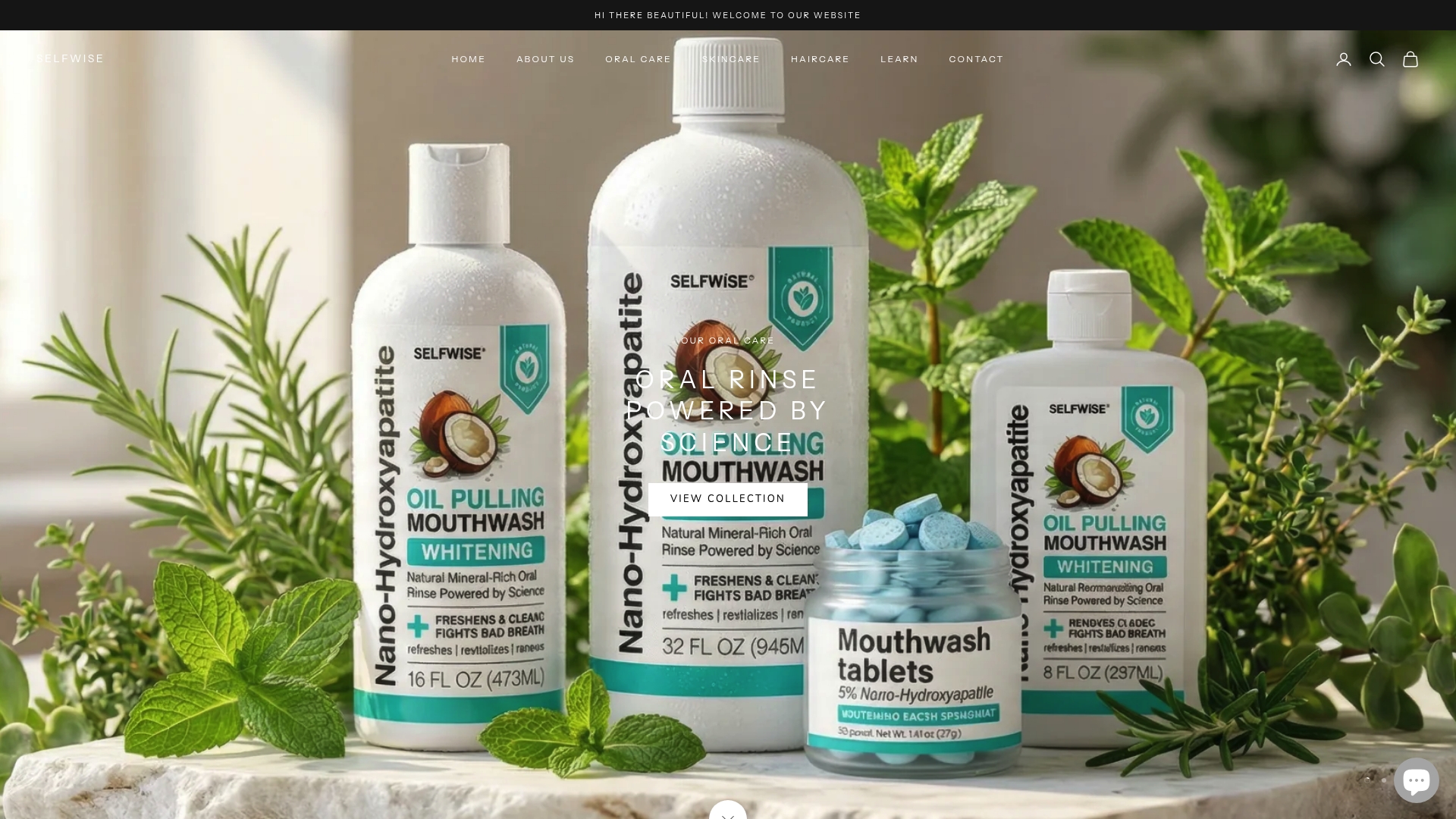
You can also see the full oral care range in one place.
FAQ
Is mouthwash gluten free?
Most of the time, yes. Beyond Celiac says mouthwash is typically gluten free, but additives, flavorings, colorings or the source of the alcohol can introduce gluten. Check the label and, if you have celiac disease, confirm with the manufacturer.
Does a mouthwash need a gluten-free label to be safe?
No. The National Celiac Association’s dietitian distinguishes the absence of a gluten-free label from evidence that a product is unsafe. Ingredient review and a question to the manufacturer are the practical safeguards.
Can alcohol in mouthwash contain gluten?
It can be a question. Ethanol may be made from fermented wheat or barley sugars, or from sources like sugarcane or grapes, according to Beyond Celiac. Choosing an alcohol-free rinse avoids that question, though you still check the rest of the formula.
Do I need to worry if I only swish and spit?
The Celiac Disease Foundation says people with celiac disease should not ingest gluten-containing oral-health products. Some rinse is usually swallowed and the product touches your lips and mouth, so checking is worth it. Ask your doctor or dietitian how strict to be with trace amounts.
What should I look for on the label?
Scan for wheat, barley, rye, malt, oats and the Latin names triticum vulgare, hordeum vulgare, secale cereale and avena sativa. If you find one, or if a flavor or color source is unclear, contact the company before use.
Sources
- Celiac Disease and Dental Care, Beyond Celiac
- Looking for GF toiletries, National Celiac Association
- Gluten in dental products, National Celiac Association
- Questions and Answers on Gluten-Free Food Labeling, FDA
- Gluten Risks in Medications and Personal Care, Stanford Medicine Children’s Health
- Gluten-Free Diet and Food Label Reading Guide, Celiac Disease Foundation
- Contribution of Oral Hygiene and Cosmetics on Contamination, PubMed
- Food allergens in oral care products, PubMed Central
- Natural Lip Balm Ingredients
- How to Read Nutrition Labels