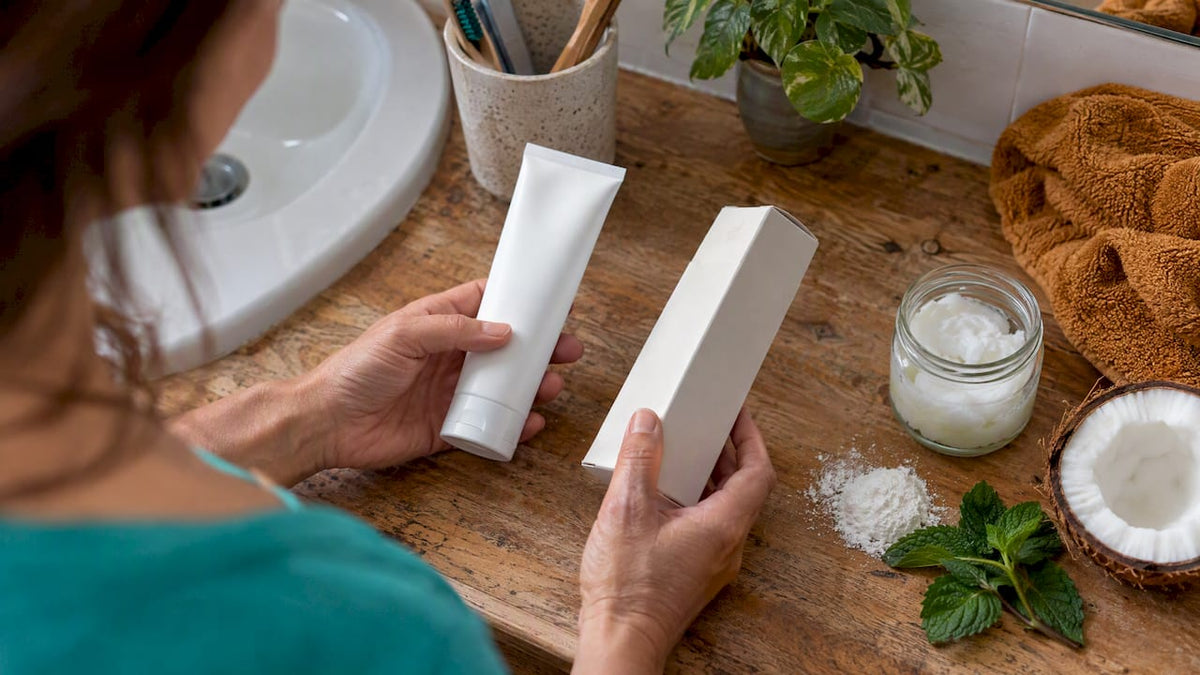
The Role of Natural Body Lotions for Healthy Skin
Most people grab whatever lotion is on the shelf without thinking twice. But the role of natural body lotions goes well beyond basic softness. Natural formulations work with your skin’s biology, not against it, using plant-derived ingredients that hydrate, protect, and restore the skin barrier without exposing you to parabens, phthalates, or synthetic fragrance. This article covers what these lotions actually contain, why the ingredients matter, how to apply them for the best results, and what to look for when choosing a product that genuinely delivers.
Table of Contents
- Key takeaways
- Understanding natural body lotion ingredients
- Key benefits of natural body lotions
- How to use natural body lotions effectively
- Choosing the right natural body lotion
- Integrating natural body lotions into daily self-care
- My take on the real role of natural body lotions
- Start your natural body care routine with Selfwisebrand
- FAQ
Key takeaways
| Point | Details |
|---|---|
| Natural lotions work as a team | Humectants draw moisture in, emollients smooth skin cells, and occlusives lock hydration in place. |
| Apply on damp skin for best results | Lotion applied right after bathing traps residual water, multiplying its hydration effect. |
| “Natural” labels can mislead | Read ingredient lists carefully. Look for certifications and avoid hidden synthetic fragrances. |
| Sensitive skin benefits most | Plant-based formulas containing 90 to 99% natural ingredients significantly lower irritation risk. |
| Consistency builds long-term skin health | Daily moisturizing maintains your skin barrier and prevents cumulative dryness and damage. |
Understanding natural body lotion ingredients
Natural body lotions are water-in-oil or oil-in-water emulsions built from plant-derived and minimally processed ingredients. What separates them from conventional lotions is not just the absence of harsh chemicals. It is the presence of ingredients that actively support the skin’s own repair and hydration mechanisms.
The core ingredients fall into three categories, and each does a distinct job:
- Humectants attract moisture from the environment and deeper skin layers to the surface. Common natural humectants include glycerin (often derived from plant oils), aloe vera gel, and honey. They are the reason your skin feels immediately softer after application.
- Emollients fill in the microscopic gaps between skin cells, smoothing rough texture and making skin feel supple. Plant oils like jojoba, sweet almond, and rosehip are excellent emollients. Shea butter is one of the most studied, with demonstrated anti-inflammatory properties alongside its softening effect.
- Occlusives form a physical barrier on the skin’s surface to slow water from evaporating. Beeswax, cocoa butter, and plant-based waxes all fall here. Natural bases like shea butter and beeswax also enhance penetration of botanical actives deeper into skin tissue.
A well-made natural lotion balances all three categories synergistically, because one type alone does not deliver lasting hydration. Understanding natural skincare ingredients and their functions gives you a real advantage when reading labels.
The difference from synthetic lotions matters too. Conventional formulas often rely on petrolatum, mineral oil, or dimethicone for occlusion. These work, but they do not bring the antioxidant, anti-inflammatory, or therapeutic compounds that plant-derived ingredients carry naturally.
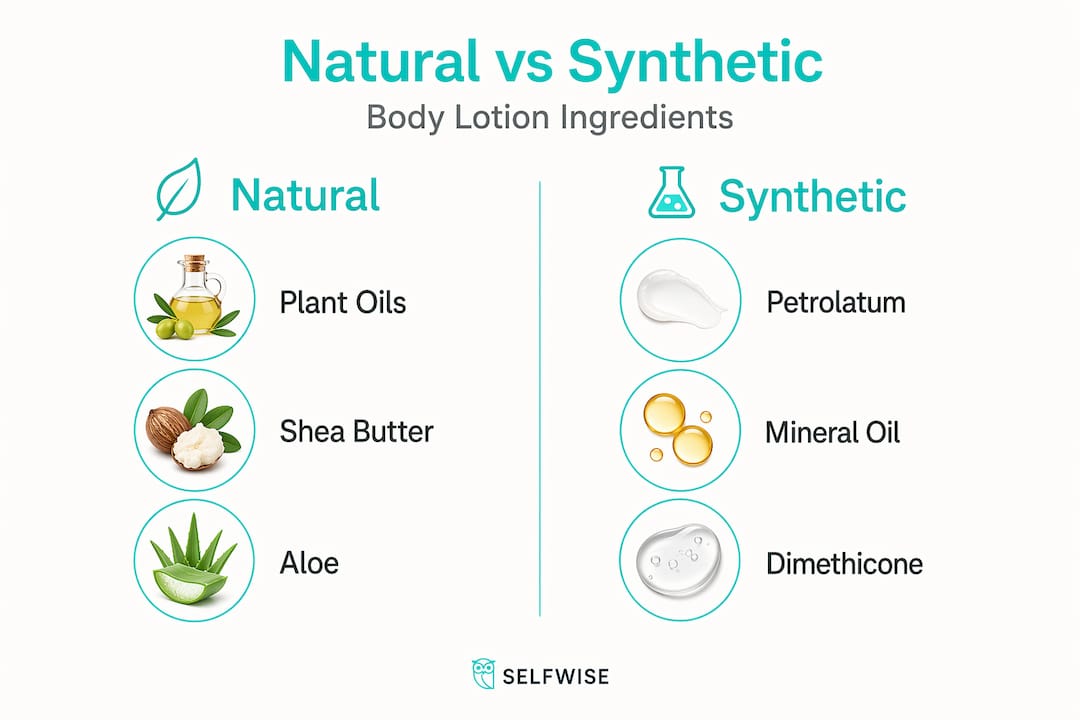
Pro Tip: Scan the ingredient list and look for a named plant oil or butter in the top five ingredients. If the first several entries are water, glycerin, and a synthetic polymer, the “natural” claim on the label is mostly marketing.
Key benefits of natural body lotions
The benefits of natural lotions go beyond what most product descriptions mention. Here is what the research actually supports:
-
Reduced transepidermal water loss. Preventing moisture from escaping the skin is arguably more important than adding moisture. Virgin coconut oil contains 45 to 53% fatty acids that directly reinforce the skin barrier, measurably reducing water loss. Users report noticeably softer skin within days of daily application.
-
Anti-inflammatory protection. Chronic low-level inflammation is behind most cases of persistent dry, itchy, and irritated skin. Natural herbal lotions provide anti-inflammatory, antimicrobial, and antioxidant effects that are comparable to, or exceed, synthetic alternatives. Ingredients like chamomile extract, calendula, and colloidal oatmeal all fall in this category.
-
Antioxidant defense. Vitamin E (tocopherol) is found naturally in plant oils including wheat germ, sunflower, and argan. It neutralizes free radicals from UV exposure and pollution, slowing premature aging at the cellular level. Polyphenols from green tea extract or pomegranate oil add another layer of environmental protection.
-
Post-cleansing skin repair. Hot water and soap strip the skin’s natural lipid layer. Applying a natural lotion within a few minutes of bathing replenishes those lipids and restores comfort, especially important after daily showering.
-
Lower risk for sensitive skin. Natural body lotions frequently contain 90 to 99% plant-based ingredients, which significantly reduces the irritation risk that comes with synthetic preservatives, dyes, and fragrances.
One fact worth knowing: daily moisturizing does not create dependency. Your skin does not become “addicted.” If you stop using lotion, skin simply returns to its natural baseline dryness. That is not withdrawal. That is just your skin without support.
For anyone dealing with dry or sensitive skin, consistent use of a well-formulated natural lotion is one of the most practical, low-risk tools available.

How to use natural body lotions effectively
Knowing when and how to apply lotion changes how well it works. Most people apply it as an afterthought on dry skin and wonder why the effect does not last. Here is what actually makes a difference.
Timing matters more than frequency. Lotions absorb best on damp skin immediately after bathing. You do not need to towel off completely. Pat the water down to damp, then apply. The humectants in the lotion grab the residual surface water and draw it into your skin, while the occlusives seal it in. Applying to completely dry skin reduces this effect substantially.
Layering with body oil is powerful, but order is everything. Apply lotion first, then body oil on top. Lotion delivers hydration while oil forms a barrier. If you reverse the order, the oil blocks the lotion from absorbing into the skin, and you lose the hydration benefit entirely.
Beyond timing, a few practical adjustments based on your situation:
- In dry, cold climates, increase application to twice daily and choose products with a higher occlusive content, such as shea butter or beeswax-based formulas.
- In humid climates, a lighter lotion with more humectant and less occlusive weight feels more comfortable and avoids a heavy or greasy finish.
- After exercise, skin is warm and blood circulation is elevated, which actually aids absorption. A post-workout lotion application is more effective than most people realize.
Signs you are using the right product correctly: skin feels comfortable and not tight or greasy within 10 to 15 minutes of application. Frequent moisturizing needs vary by skin type, climate, and lifestyle. Over-moisturizing is rare. The more common sign of a mismatch is using a product too heavy for your skin type, which feels greasy or congested rather than hydrated.
Pro Tip: Focus extra lotion on areas with fewer sebaceous glands: shins, elbows, and the tops of feet. These spots lose moisture faster than others and often show dryness first.
Choosing the right natural body lotion
The word “natural” on a label carries no legal requirement in the United States. That is the single most important fact to internalize before buying. Consumers must assess actual ingredients rather than front-of-label claims, and watch for hidden synthetic fragrances listed as “parfum” or “fragrance,” which can mask dozens of undisclosed chemical compounds.
Here is a quick framework for evaluating any natural body lotion:
| What to look for | What to avoid |
|---|---|
| Shea butter, jojoba oil, coconut oil | Parabens (methylparaben, propylparaben) |
| Glycerin from plant sources | Phthalates (often hidden in “fragrance”) |
| Aloe vera as a hydrating base | Petrolatum or mineral oil |
| Beeswax or carnauba wax for occlusion | Synthetic dyes (FD&C colorants) |
| Vitamin E (tocopherol) as preservative | “Parfum” or “fragrance” without disclosure |
| Third-party certifications (USDA Organic, Made Safe) | More than 5% synthetic preservatives |
Third-party certifications genuinely matter here. USDA Organic certification requires that at least 95% of ingredients are organically produced. Made Safe certification screens for known toxic ingredients. These labels are not foolproof, but they shift the verification burden from you to a third party with established standards.
Skin-specific guidance also applies to choosing natural skincare:
- Dry or very dry skin: Prioritize formulas with high occlusive content. Look for shea butter, cocoa butter, or beeswax listed early in the ingredient list.
- Sensitive or reactive skin: Fragrance-free formulas are non-negotiable. Colloidal oatmeal, aloe vera, and chamomile are well-tolerated calming ingredients.
- Normal or combination skin: A lighter lotion with jojoba or sweet almond oil provides hydration without heaviness.
Integrating natural body lotions into daily self-care
Daily moisturizing is not a vanity habit. It is active skin barrier maintenance. Your skin is your largest organ and your primary defense against environmental stress, microbes, and moisture loss. Treating it with ingredient-safe, plant-derived products is a practical extension of how you feed and move your body.
There is also a broader picture here. Consumer demand for safety and sustainability is driving brands to use biodegradable, plant-derived ingredients over synthetic alternatives. Every product you choose sends a market signal. Choosing transparency in your skincare reflects the same values as choosing cleaner food or natural oral care.
Consistency is where the real benefits accumulate. One application of lotion is not transformative. Two weeks of daily use noticeably changes skin texture, comfort, and resilience.
“The goal of moisturizing is not to make skin permanently dependent on a product. It is to maintain your skin’s own function at its best.”
Holistic wellness means looking at the full picture. Just as people are replacing harsh synthetic mouthwashes with cleaner alternatives like oil pulling mouthwash, the same thinking applies to what goes on your body every day. Simple, recognizable ingredients that work with biology rather than against it.
My take on the real role of natural body lotions
I have watched a lot of people treat skincare as a problem to solve once and forget. They buy one bottle, use it inconsistently, and then write off the whole category when their skin stays dry.
In my experience, the disconnect is almost always about ingredient quality and application timing, not product failure. When someone switches from a synthetic lotion loaded with silicone and fragrance to a shea butter and aloe-based formula, applied within two minutes of getting out of the shower, the difference is noticeable within a week. Not because of magic. Because the ingredients are actually doing something biologically useful.
What I find most misunderstood is the occlusive layer. People skip heavy butters because they fear greasiness, but a thin layer of a well-balanced formula is not greasy if applied correctly to damp skin. The greasiness people remember usually came from applying too much to dry skin.
My honest recommendation: stop chasing the newest trendy ingredient and pick a formula with a short, plant-based ingredient list you can actually recognize. Shea butter, jojoba, glycerin, beeswax. That is a formula that works in any climate and for most skin types. Then apply it every single day after your shower. The cumulative result will do more for your skin than any expensive serum applied twice a week.
— Viktor
Start your natural body care routine with Selfwisebrand
If you are ready to replace your current lotion with something formulated around real plant-based ingredients, Selfwisebrand has you covered. Every product in the natural skincare collection is built around ingredient transparency. No hidden synthetic fragrances, no petrolatum, and no unnecessary fillers.
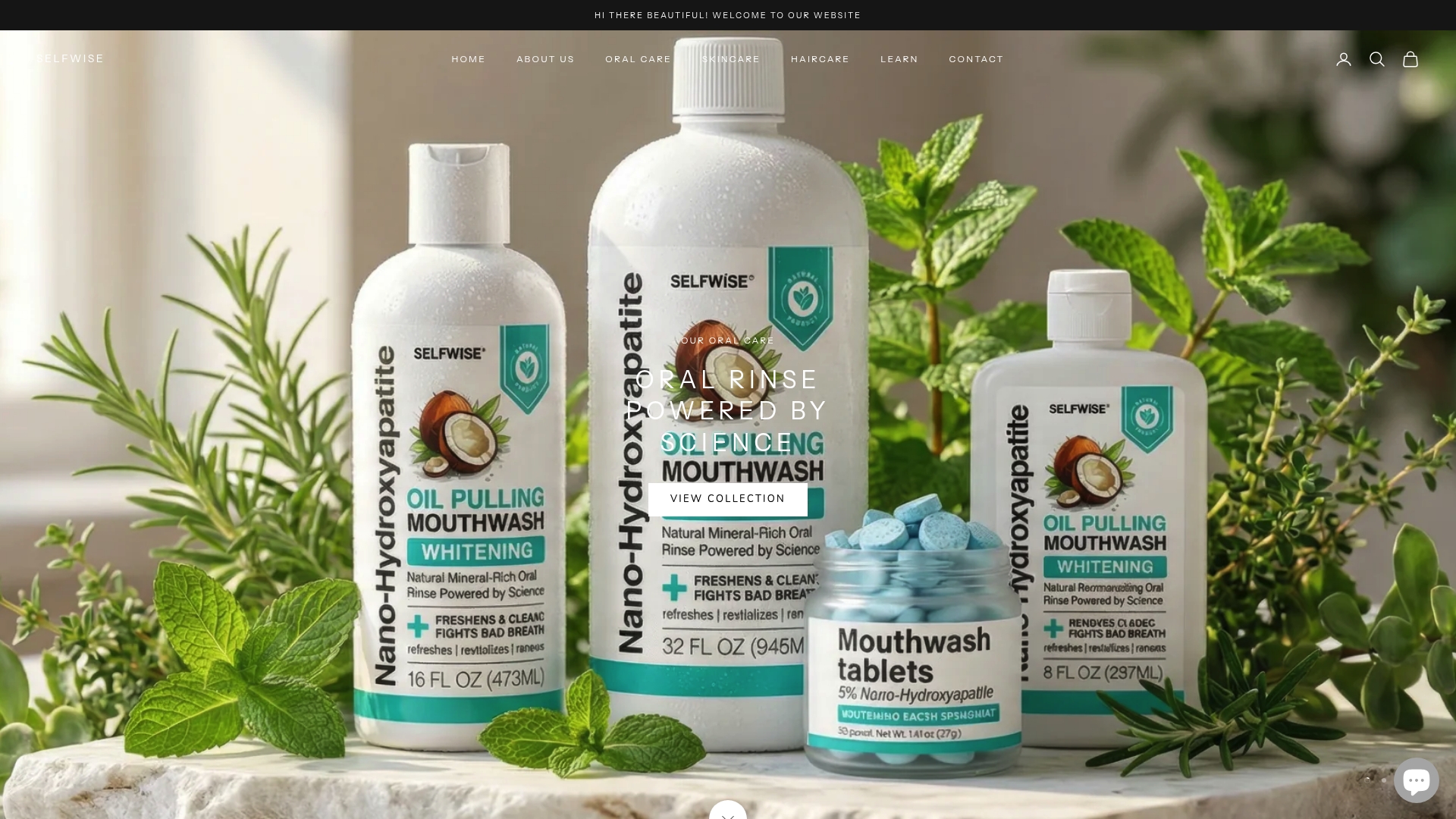
The Selfwisebrand body lotions collection covers everything from lightweight daily hydration to richer formulas for dry and sensitive skin. Pair a body lotion with one of the natural body oils to lock in moisture with the layering method covered above. And if you are building a complete natural wellness routine, explore the oral care range too. The same commitment to clean, effective ingredients applies across every product.
FAQ
What is the main role of natural body lotions?
The role of natural body lotions is to maintain skin hydration and protect the skin barrier using plant-derived humectants, emollients, and occlusives. They reduce water loss, soothe inflammation, and support skin elasticity without synthetic additives.
Do natural body lotions cause skin dependency?
No. Daily moisturizing does not create dependency. If you stop using lotion, skin simply returns to its baseline dryness. There is no physiological addiction.
When is the best time to apply natural body lotion?
Apply lotion to damp skin immediately after bathing. Applying to damp skin traps residual water and allows humectants to draw moisture into the skin far more effectively than applying to dry skin.
How do I know if a body lotion is truly natural?
Look past front-of-label claims and read the full ingredient list. Avoid “fragrance” or “parfum” without disclosure, parabens, and petrolatum. Third-party certifications like USDA Organic or Made Safe provide an additional layer of verification.
Are natural body lotions good for sensitive skin?
Yes. Formulas with 90 to 99% plant-based ingredients carry significantly lower irritation risk than synthetic alternatives. For sensitive skin, choose fragrance-free formulas featuring aloe vera, colloidal oatmeal, or chamomile.
Recommended
- Natural Skincare Ingredients
- Why choose natural moisturizers: a health-conscious guide
- Skin Care Page title: Natural Skin Care Tips & Guides | Selfwise
- Skincare
Related Selfwise skin care
For readers comparing natural body lotions and body oils, these Selfwise pages are the most relevant next steps:
- Beef Tallow Body Lotion with Magnesium
- Vitamin E Body Oil
- Body lotions collection
- Dry & sensitive skin collection
Note: Selfwise products are designed for personal care routines and should not be described as diagnosing, treating, curing, or preventing medical conditions.