
Why choose natural moisturizers: a health-conscious guide
Walk down any skincare aisle and you’ll see “natural” plastered on every other label. But here’s the uncomfortable truth: most of those products are not what they claim to be. If you’re trying to understand why choose natural moisturizers, the answer goes deeper than marketing copy. Your skin barrier is a living system with its own chemistry, microbiome, and lipid architecture, and what you put on it either supports or quietly undermines that system. This guide cuts through the noise so you can make a genuinely informed choice.
Table of Contents
- Understanding skin barrier function and why natural moisturizing matters
- Key natural ingredients that support hydration and barrier repair
- Common misconceptions and hidden risks in natural moisturizers
- How to choose and use natural moisturizers effectively
- Rethinking skincare: why truly natural moisturizers matter beyond trends
- Explore natural facial and body oils for lasting hydration
- Frequently asked questions
Key Takeaways
| Point | Details |
|---|---|
| True natural moisturizers | Provide effective hydration by supporting all layers of the skin barrier without harmful synthetics. |
| Ingredient quality matters | Look for simple, minimal formulas with occlusives like shea butter and emollients like jojoba oil. |
| Beware of hidden chemicals | Many ‘natural’ labeled products contain synthetic fragrances and preservatives that increase irritation risk. |
| Proper application | Apply moisturizers to damp skin for optimal absorption and barrier repair. |
| Holistic skin health | Natural moisturizers can reduce chronic inflammation and improve long-term skin resilience. |
Understanding skin barrier function and why natural moisturizing matters
Your skin is not just a surface. It’s a layered barrier system that keeps moisture in and pathogens out, and it does this through a precise arrangement of lipids, proteins, and microorganisms. The outermost layer, the stratum corneum, works like a brick wall: skin cells are the bricks, and lipids (primarily ceramides, fatty acids, and cholesterol) are the mortar. Disrupt that mortar, and water escapes faster than your skin can replace it.
This process has a clinical name: transepidermal water loss, or TEWL. High TEWL is what causes that tight, rough, or flaky feeling after washing your face, especially in cold or dry environments. It’s also a key driver of chronic skin conditions like eczema and rosacea. Moisturizers exist specifically to interrupt that process.
What many people don’t realize is that moisturizers support barrier repair across all four layers of skin defense: physical, chemical, microbiological, and immunological. That means a good moisturizer isn’t just adding slip to your skin. It’s actively helping your barrier rebuild itself. The ingredient source matters enormously here because synthetic fillers can temporarily smooth skin while actually disrupting lipid organization at the cellular level.
Here’s what a healthy skin barrier depends on:
- Intact lipid layers that prevent TEWL and environmental irritants from penetrating
- A balanced pH around 4.5 to 5.5 to support enzyme activity and antimicrobial defense
- A diverse microbiome that keeps opportunistic pathogens in check
- Consistent hydration delivered by the right balance of occlusives, emollients, and humectants
Knowing this foundation is what makes exploring natural skincare ingredients so much more valuable. You stop looking for a product that “feels good” and start looking for one that actually repairs. And those skin care tips around application timing and layering start making real sense once you understand the barrier you’re trying to support.
Key natural ingredients that support hydration and barrier repair
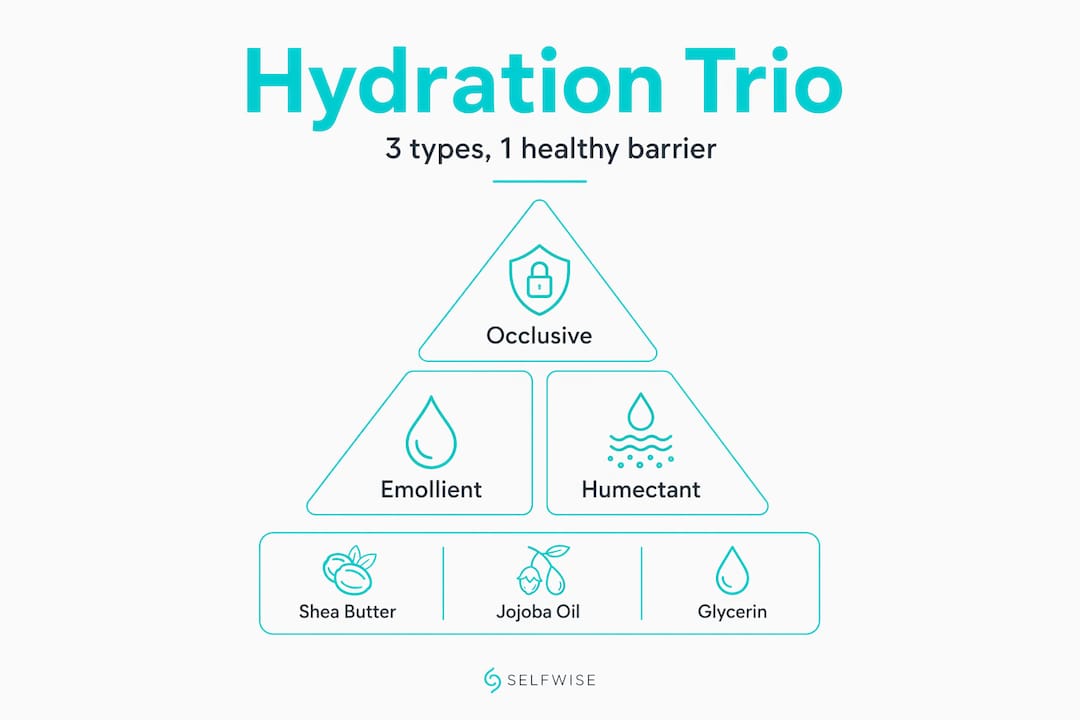
Not all natural moisturizers are equal, and the difference often comes down to which functional categories their ingredients fall into. Every effective moisturizer, natural or not, needs to address three jobs: sealing in moisture, smoothing the skin surface, and attracting water. Natural ingredients can do all three without the synthetic shortcuts.
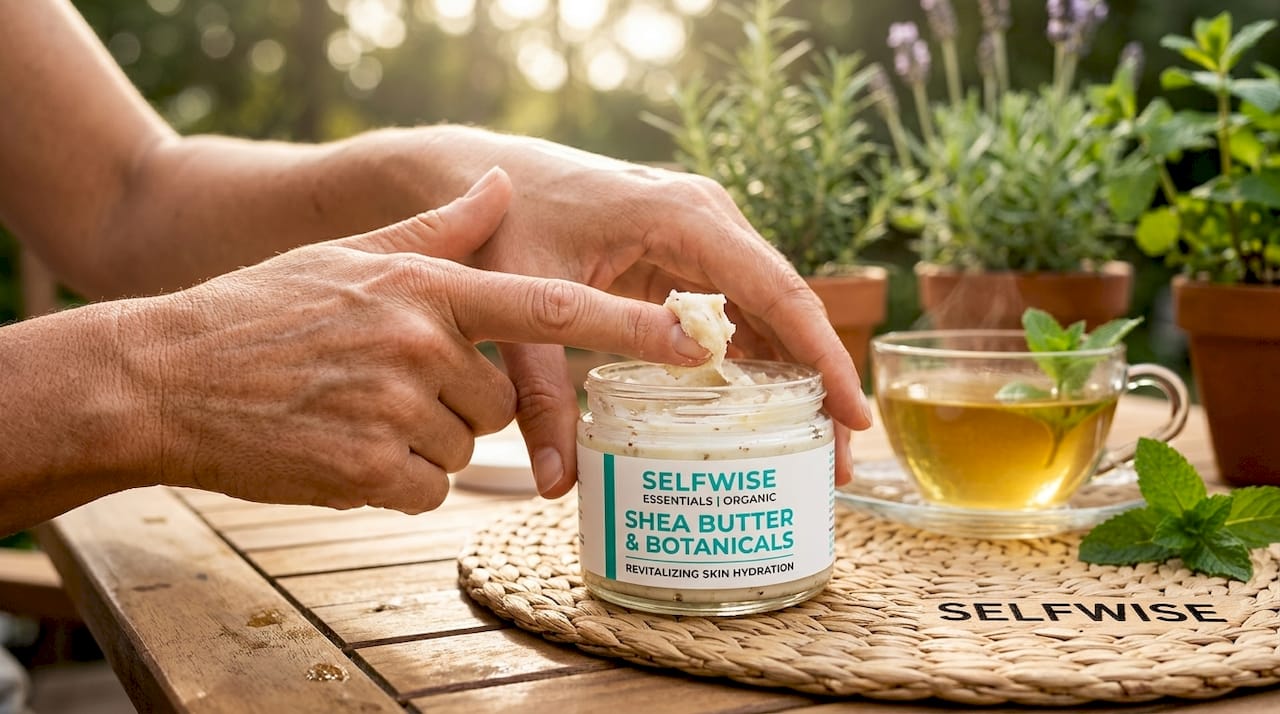
Occlusives form a physical film on the skin surface that slows water evaporation. Natural occlusives like shea butter reduce TEWL to a degree comparable to petrolatum, the gold standard synthetic occlusive, without the petrochemical concerns. Beeswax is another classic example, long used in traditional balms for exactly this reason.
Emollients work differently. Instead of sitting on top, they slip between the gaps in the stratum corneum, filling in the rough, jagged spaces between dead skin cells. Jojoba oil is a particularly interesting case because it is technically a wax ester, structurally close to human sebum, which means your skin recognizes and absorbs it efficiently. Squalane (derived from olives or sugarcane) is another standout that works across most skin types without clogging pores.
Humectants pull water from the air or deeper skin layers toward the surface. Glycerin is the most widely studied of these. Natural hyaluronic acid can hold up to 1,000 times its weight in water, and research shows that oral sodium hyaluronate supplementation also reduces TEWL and improves barrier function after consistent use, meaning hydration support can work from the inside out.
| Ingredient type | Natural examples | Primary function |
|---|---|---|
| Occlusive | Shea butter, beeswax, cocoa butter | Seals moisture in, reduces TEWL |
| Emollient | Jojoba oil, squalane, rosehip oil | Smooths texture, fills lipid gaps |
| Humectant | Glycerin, hyaluronic acid, aloe vera | Attracts and binds water to skin |
The best formulas combine all three. An occlusive alone can feel heavy without a humectant pulling moisture up first. A humectant alone in dry climates can actually draw moisture out of the skin if there’s no occlusive to lock it in. Think of them as a team, not interchangeable ingredients. You can explore specific options across facial oils and natural moisturizing ingredients to understand how they combine in real formulations.
Pro Tip: If you live in a dry climate, always layer a humectant (like glycerin or aloe) underneath your occlusive oil or butter. Applied alone, humectants can pull moisture upward from the deeper layers of your skin instead of the air, making dryness worse.
Common misconceptions and hidden risks in natural moisturizers
Here’s where things get frustrating. The word “natural” on a label is essentially unregulated. There’s no federal standard in the U.S. that defines what it means for a cosmetic product to be called natural. Brands use it freely, and the results are predictable.
Over 68% of U.S. products labeled natural or organic contain synthetic preservatives or fragrances that can disrupt the skin barrier and increase irritation risk. That’s not a fringe statistic. It reflects routine industry practice: a formula gets one or two plant-based star ingredients, the rest is filled out with conventional synthetics, and the label leads with “natural” because it sells.
The most common offenders to watch for:
- Synthetic fragrance (listed as “fragrance” or “parfum”), which is a legal loophole that can mask hundreds of undisclosed chemicals
- Parabens (methylparaben, propylparaben) used as preservatives with hormone-disrupting concern
- PEGs (polyethylene glycols), petroleum-derived compounds used to soften texture
- Formaldehyde releasers like DMDM hydantoin, found in surprisingly many “gentle” formulas
For people with allergy-prone or sensitive skin, this matters a lot. Fragrance-free natural formulations reduce contact dermatitis risk by 40 to 60 percent compared to synthetic fragranced products. That’s a meaningful number if your skin is reactive.
“The biggest myth in natural skincare is that all plant-derived ingredients are gentle and all synthetic ones are harmful. Reality is more nuanced: some natural ingredients (like essential oils) are potent irritants, while some synthetics are inert. The key is reading the full ingredient list, not the front label.”
How to spot the real thing:
- Read the INCI list (International Nomenclature of Cosmetic Ingredients). Ingredients appear in descending order by concentration.
- If a synthetic preservative or fragrance appears in the first five ingredients, it makes up a significant portion of the formula.
- Look for certified seals: USDA Organic, COSMOS Organic, or ECOCERT are meaningful third-party standards.
- Shorter ingredient lists are often (not always) a good sign. Complexity creates more opportunities to hide things.
- Patch test every new product for 48 hours on the inner arm before applying to your face.
For those with reactive or dry skin, sensitive skin formulations built around fragrance-free, minimal-ingredient bases are worth exploring specifically.
How to choose and use natural moisturizers effectively
Knowing the theory gets you halfway there. The other half is practical execution. Here is how to actually choose and use natural moisturizers without wasting money or irritating your skin.
Choosing the right formula:
- Read the first five ingredients on the INCI list. They represent roughly 80% of the formula.
- Favor anhydrous (water-free) balms and oils. Water-based formulas require preservatives; oil-based ones generally don’t.
- Applying anhydrous balms to damp skin can improve hydration retention by up to 300%, so timing your application matters.
- Look for bio-identical lipids: ingredients structurally similar to what your skin already produces.
- Seek certifications (USDA Organic, COSMOS) rather than relying on label claims.
- Simpler formulas with 10 or fewer ingredients that focus on bio-identical lipids consistently outperform complex formulas in barrier repair and irritation outcomes.
| Skin type | Best natural ingredient match | Avoid |
|---|---|---|
| Dry or mature | Shea butter, rosehip oil, beeswax | Alcohol-based formulas |
| Oily or acne-prone | Jojoba oil, squalane, niacinamide | Heavy butters, coconut oil |
| Sensitive or reactive | Calendula, oat extract, plain glycerin | Essential oils, fragrance |
| Normal/combination | Jojoba, aloe vera, sea buckthorn | Over-layering |
Pro Tip: Apply your natural oil or balm while your skin is still slightly damp, within 60 seconds of cleansing or rinsing. This seals in ambient moisture and the water from washing, giving the occlusive layer something real to lock down.
Making informed natural skincare choices is not about spending more money. It’s about understanding what you’re buying before you buy it.
Rethinking skincare: why truly natural moisturizers matter beyond trends
There is a pattern worth naming directly. Conventional synthetic moisturizers, including the ones your dermatologist may have recommended for years, are often very good at managing symptoms. They make skin feel smoother, less tight, less visibly dry. But feeling smoother and being healthier are not the same thing.
Many synthetic formulas work by masking the underlying problem. Film-forming polymers, silicones, and mineral oil create a surface layer that reads as “moisturized” to the touch while doing little to actually repair the lipid architecture underneath. Over time, skin that relies on these agents can become dependent on them, producing less natural sebum and doing less of its own barrier work.
Natural moisturizers, when formulated well, take a fundamentally different approach. They work with your skin’s existing biology rather than substituting for it. Natural moisturizers support all four layers of skin barrier defense, including the microbiological and immunological layers that synthetic formulas routinely disrupt through preservatives and fragrances. This is not a small distinction. It means your skin is more resilient, not more dependent.
There’s also a bigger picture here. Chronic low-grade inflammation from repeated skin barrier disruption has been linked to conditions well beyond dry skin, including eczema, psoriasis flares, and premature aging. Choosing truly natural moisturizers is not a trend or a luxury. It’s a decision to support your skin’s long-term ability to protect you.
What drives meaningful change in this industry isn’t regulation. It’s consumers who read ingredient lists and reward transparency. When you buy products formulated around natural skincare perspective, you’re not just making a personal choice. You’re pulling the market in a better direction.
Explore natural facial and body oils for lasting hydration
If you’ve done the work of learning what your skin actually needs, the next step is finding products that deliver it without compromise.
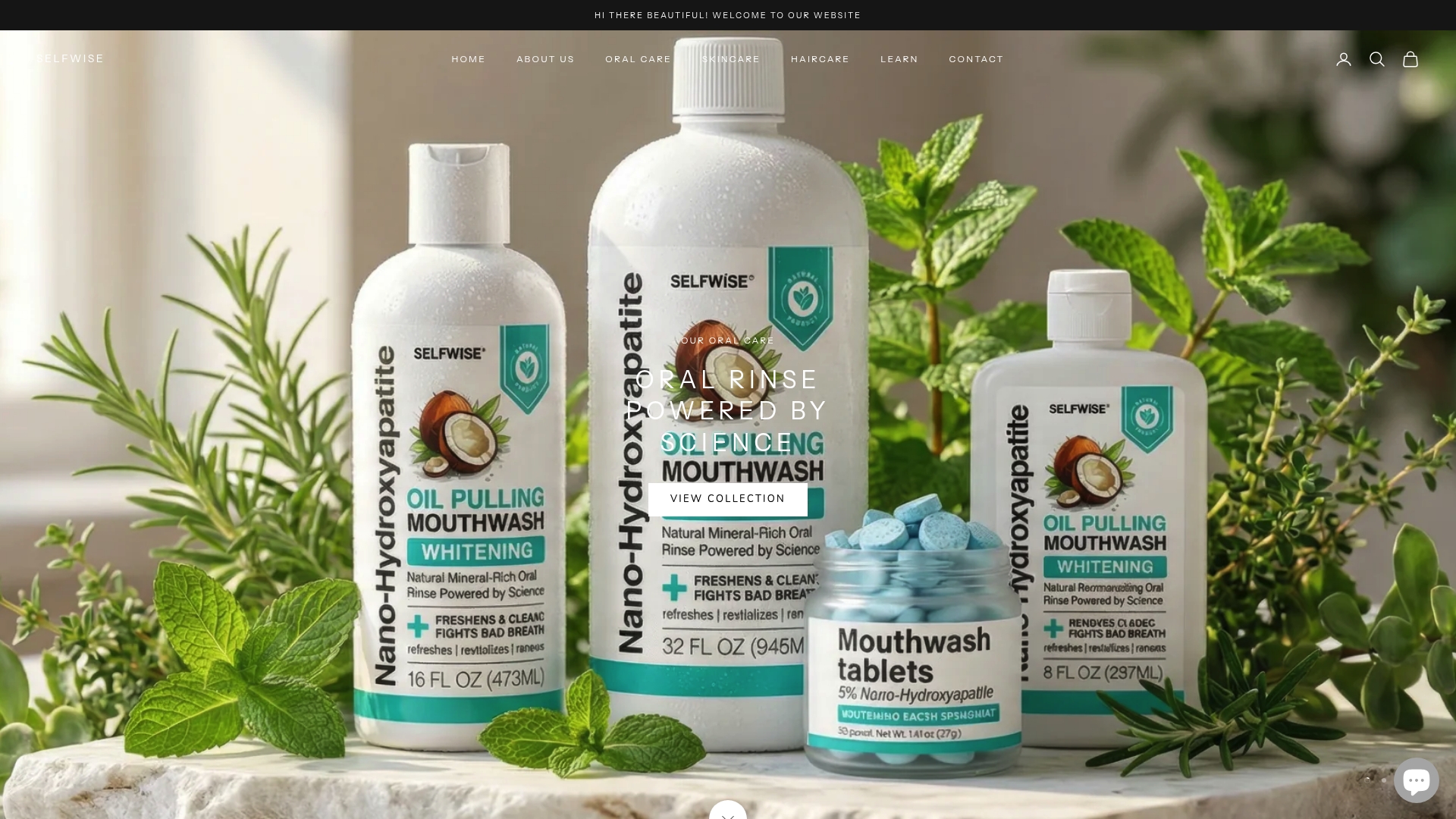
At Selfwise, our natural facial oils are formulated around bio-identical plant lipids that work with your skin’s own chemistry. No synthetic fragrances, no unnecessary fillers. Our natural body oils target barrier repair for whole-body nourishment, and every formula is designed to be simple enough that you can actually verify what’s in it. If you have reactive or sensitive skin, our products for dry sensitive skin offer fragrance-free options built around the ingredients your barrier responds well to. Clean formulas. Real function. That’s the Selfwise standard.
Frequently asked questions
Are natural moisturizers always safer than synthetic ones?
Not automatically. Because over 68% of products labeled natural still contain synthetic preservatives or fragrance, the label itself means very little. Ingredient transparency and third-party certification matter far more than front-label claims.
What should I look for in a natural moisturizer?
Prioritize formulas built around key occlusives like shea butter and emollients like jojoba oil, with no added fragrance, parabens, or synthetic preservatives. A short INCI list with recognizable plant-based ingredients is a strong indicator of a genuinely clean product.
How do I know if a natural moisturizer will work for my skin?
Match the ingredient type to your skin’s needs, patch test for 48 hours, and give the product three weeks before judging results. Signs of improvement include less tightness after cleansing, fewer flare-ups, and a more even texture over time.
Can oral supplements improve skin hydration with natural ingredients?
Yes. Oral sodium hyaluronate reduced TEWL and measurably improved skin barrier function after three months of consistent use in controlled research. Topical application and internal supplementation can work together to support lasting skin hydration.