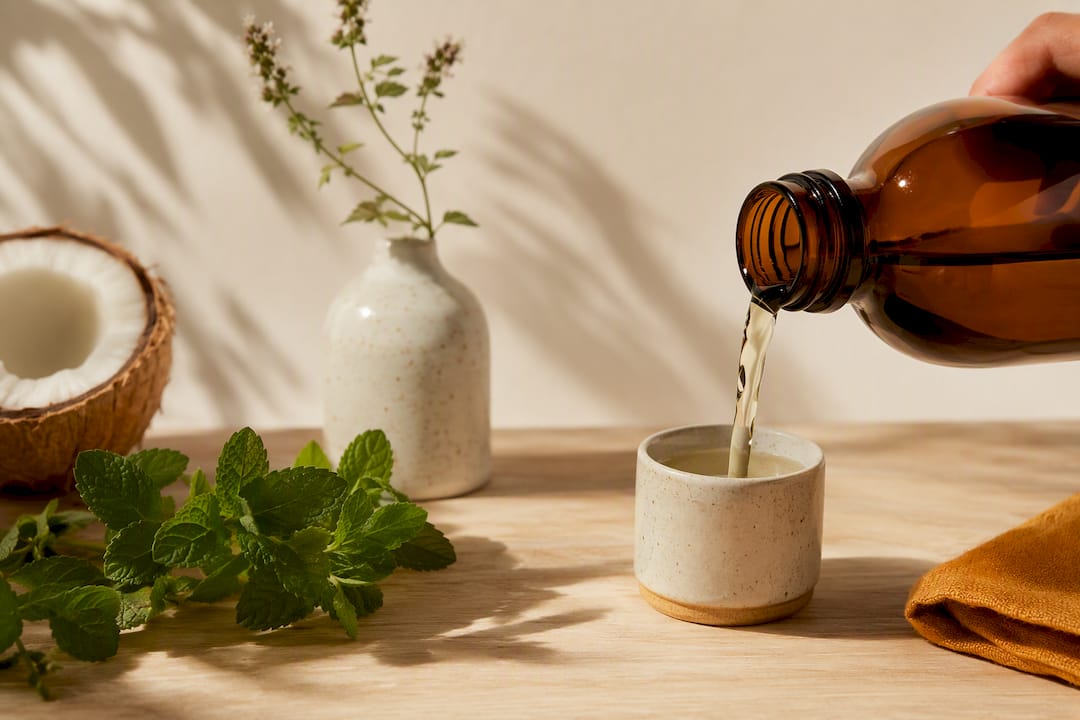
Article: Evidence Shows Daily or 3–4x Weekly Oil Pulling for Wellness Seekers

Evidence Shows Daily or 3–4x Weekly Oil Pulling for Wellness Seekers
Most people get the best results oil pulling once a day, though a few times a week works fine for maintenance and even occasional use offers some benefit. Oil pulling is a supplement to your oral care routine, not a replacement: the American Dental Association does not recommend it as a substitute for brushing twice daily with fluoride toothpaste and flossing.
TL;DR:
- Oil pulling three to four times weekly offers a practical balance between effectiveness and habit formation, especially for maintenance purposes.
- Sessions lasting 10 to 15 minutes are sufficient, with longer times providing no significant added benefit according to current research.
- It should always complement, not replace, brushing with fluoride toothpaste and daily flossing to ensure comprehensive oral hygiene.
- People with swallowing difficulties or recovering from extractions should avoid vigorous spitting or prolonged sessions to prevent risks.
- Evidence of long-term benefits remains limited, making oil pulling best suited as an adjunct rather than a standalone treatment.
Table of Contents
- Choosing a frequency that fits your goals and schedule
- When to swish and how long each session should last
- Building oil pulling into a safe daily routine
- Safety risks and mistakes that undercut the benefits
- What the research actually shows about oil pulling
- What I tell people who ask how often to oil pull
- Where Selfwise products fit into your oil pulling routine
- Sources
- FAQ
Choosing a frequency that fits your goals and schedule
Daily oil pulling suits people chasing the largest realistic gains: modestly lower microbial load and better gum health scores over time. It also demands the most from your schedule, and skipped days are common when the routine feels like a chore.
Three to four times a week is a reasonable middle ground. Trials showing gingival and plaque improvements typically ran daily, but a less frequent habit that you actually keep will outperform a daily habit you abandon after two weeks. This pace suits beginners and anyone testing whether oil pulling fits their life before committing further.
Occasional use, meaning a few times a month, is unlikely to move clinical markers much. It can still freshen breath for an event or serve as a mindful ritual, but treat it as a bonus rather than a dental strategy.
- Daily: best for people prioritizing measurable gum and microbial changes.
- 3 to 4 times weekly: practical maintenance for busy schedules or new users.
- Occasional: fine for fresh breath, not a substitute for a consistent routine.
Whatever frequency you land on, the same rule applies: oil pulling never replaces brushing with fluoride toothpaste or daily flossing.
When to swish and how long each session should last

Morning, before eating or brushing, is the time most people recommend for oil pulling. Overnight, bacteria and debris build up on the tongue and teeth, and swishing before your first meal or your toothbrush touches your mouth clears some of that buildup before you go about your day.
Session length varies across short-term randomized trials, with protocols ranging from about 5 to 20 minutes and most studies running 7 to 45 days. Longer sessions inside that range do not appear to produce proportionally larger benefits, so there is little reason to force a full 20 minutes if it makes you skip the habit altogether.
- Start with 2 to 5 minutes if you are new to the practice or struggle to fit longer sessions into your morning.
- Build toward 10 to 15 minutes once the habit feels automatic.
- Stop before your jaw gets tired or the oil becomes hard to manage; a shorter, completed session beats a long one you spit out early.
Pro Tip: Swish while you shower or get dressed so the minutes pass without feeling like dead time.
Building oil pulling into a safe daily routine
A simple, repeatable sequence keeps oil pulling low-effort and safe.
- Measure about one tablespoon of oil, more feels unnecessary and harder to manage.
- Swish gently around your mouth and between your teeth, never gargle or swallow.
- Spit into a lined trash can, not the sink, since oil can solidify and clog plumbing over time.
- Rinse your mouth with water, then brush and floss as you normally would.
- Choose an edible oil such as sesame or coconut oil, never a non-food-grade product.
Brushing and flossing after your swish, not instead of it, keeps fluoride exposure and mechanical plaque removal intact. If you notice persistent bad breath, bleeding gums, or signs of infection despite a consistent routine, see a dentist rather than extending your oil pulling sessions to compensate. Hygiene appointments catch problems that swishing alone cannot fix.
Safety risks and mistakes that undercut the benefits
Oil pulling is low-risk for most healthy adults, but a few groups should skip it or take extra care. Young children and anyone with swallowing difficulties face a real aspiration risk if oil is inhaled instead of spit out. People recovering from a tooth extraction should avoid vigorous spitting for 48 to 72 hours, since it can dislodge the healing clot and raise the risk of dry socket.
Systematic reviews rate the overall quality of oil pulling evidence as low, meaning the modest improvements reported come with real uncertainty about how consistent or long-lasting they are.
Common mistakes worth avoiding:
- Swallowing the oil, which can cause an upset stomach and defeats the purpose of pulling debris out of your mouth.
- Spitting used oil down the sink, which can clog drains over months of daily use.
- Expecting oil pulling to reverse cavities or treat active gum disease instead of seeking professional care.
- Using a non-food-grade oil not meant for oral use.
What the research actually shows about oil pulling
A systematic review of traditional oral hygiene practices found modest reductions in microbial load and improvements in gingival indices with oil pulling, though results varied across studies and overall evidence quality was limited. The same body of research found chlorhexidine mouthwash often outperforms oil pulling for plaque reduction specifically, even as oil pulling matched some gingival outcomes over short trial periods.
Some trials reported better patient acceptance and fewer taste or staining complaints with oil pulling compared with chlorhexidine, which can support adherence for users who prefer natural options.
Most of the underlying trials are short, running anywhere from 7 to 45 days, and they differ enough in design and population that pooling their results only supports cautious conclusions. Long-term effects beyond that window remain unclear.
The practical takeaway: oil pulling can work as an adjunct for people who want a natural addition to their routine and who understand the evidence does not support it as a stand-alone treatment.

What I tell people who ask how often to oil pull
Consistency beats duration. A five-minute session every morning will do more for your mouth over a year than a fifteen-minute session you keep skipping. Oil pulling can be treated as one part of a natural routine, alongside remineralizing rinses, not a cure-all on its own.
— Viktor
Where Selfwise products fit into your oil pulling routine
Oil pulling covers one part of a natural oral care routine. Some products include nano hydroxyapatite rinses and xylitol mouthwash formulated without fluoride, harsh chemicals, or alcohol, designed to work alongside habits like swishing rather than compete with them.
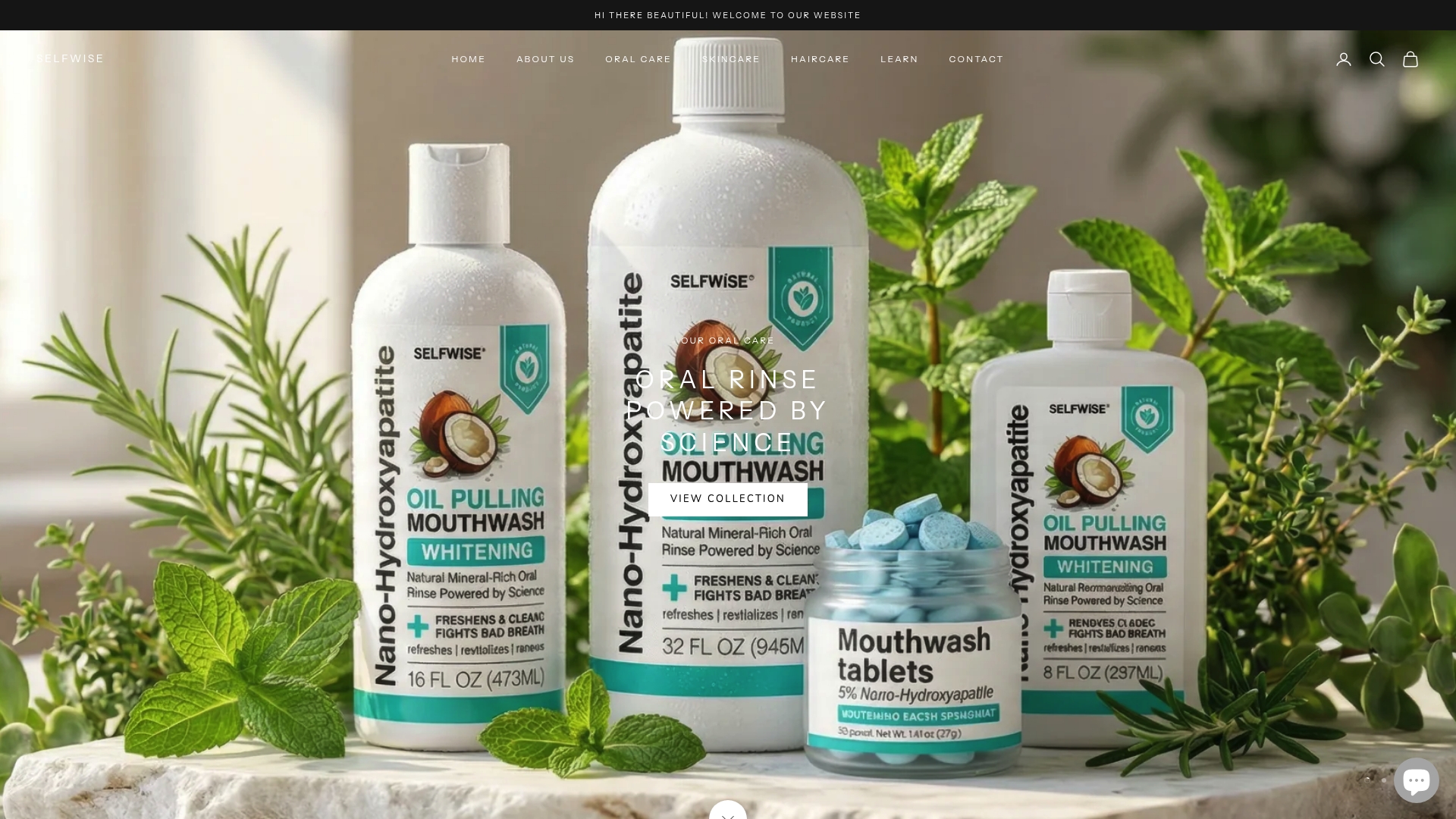
- Pair a morning oil pulling session with a nano hydroxyapatite oral rinse for a fuller natural routine.
- Use xylitol mouthwash later in the day to support fresh breath between sessions.
- Some products are intended to be compatible with dental work and a wide range of routines.
Browse Selfwise oral care to see how the lineup fits into the frequency you have chosen.
Sources
Guidance drawn from the ADA and systematic reviews, plus the Selfwise guide hub for routine details.
- Oil pulling and oral health: swish or not swish | Tufts Now
FAQ
Why don’t dentists recommend oil pulling as a primary treatment?
Dentists treat oil pulling as a supplement, not a proven substitute for brushing and flossing, because the ADA has not endorsed it as a stand-alone method. Clinicians also worry it can delay people from seeking professional care for infections or gum disease.
Is it better to oil pull in the morning or at night?
Morning, before eating or brushing, is the most commonly recommended time, since it clears debris and biofilm that built up overnight. There is no strong evidence that nighttime swishing is harmful, but morning use fits most published routines.
Can you oil pull too often or for too long?
Swishing multiple times a day is not typically recommended and offers no established added benefit over once daily. Sessions longer than about 20 minutes have not shown proportionally better results in short-term trials, so more is not automatically better.
Should you brush your teeth before or after oil pulling?
Most routines recommend oil pulling first, then brushing and flossing as usual, so fluoride toothpaste finishes the job. Skipping brushing afterward removes the fluoride exposure that oil pulling cannot replace.
Does oil pulling actually work for oral health?
Research shows modest improvements in gingival health and microbial load, though the overall evidence quality is low and most trials are short. It can be a useful adjunct for motivated users but is not a proven replacement for standard dental hygiene.