Article: Oil Pulling Before Coffee: 3 Routines Without Skipping Brushing

Oil Pulling Before Coffee: 3 Routines Without Skipping Brushing
Yes, oil pulling before coffee is a common and reasonable habit, as long as it stays an add-on to brushing and cleaning between your teeth, never a replacement. The simplest sequence is oil pull, spit in the trash, rinse with water, enjoy your coffee and breakfast, then brush for two minutes. If you would rather brush before coffee, that works too.
TL;DR:
- The ADA recommends brushing twice daily for two minutes and cleaning between teeth once daily, regardless of whether oil pulling fits your morning.
- Reviews report gum benefits but rate evidence low or very low; chlorhexidine reduces plaque more effectively, and oil pulling is not proven to whiten teeth.
- No proven ideal oil, dose, timing, or duration exists, and the familiar 15 to 20 minute routine is not a proven requirement.
- Choose a food safe oil, swish gently, never swallow it, and stop if you develop persistent nausea or trouble breathing.
- If you brush before coffee and rely on fluoride, skip rinsing after brushing and wait briefly before oil pulling when possible.
Table of Contents
- Which morning sequence fits your routine?
- What does the research say about oil pulling?
- How do you oil pull step by step?
- How can you adapt oil pulling to your mornings?
- What safety rules and mistakes should you know?
- Why does oil pulling earn a place in our routine?
- Which natural oral care products pair well with oil pulling?
- FAQ
- Sources
Which morning sequence fits your routine?
You have three realistic ways to fit oil pulling around your cup of coffee. Pick the one that matches your mornings, not the one that sounds most disciplined.
- Option A, the common route: oil pull on an empty stomach, spit into the trash, rinse with water, drink your coffee and eat breakfast, then brush for two minutes and clean between your teeth later.
- Option B, brush first: if you like brushing before coffee, do that first and wait briefly if you want the fluoride to stay on your teeth. Then oil pull later in the day or skip it.
- Option C, short on time: a brief pull keeps the habit alive on rushed mornings. Doing something consistent beats skipping it because you lack 20 minutes.
Whichever you choose, the American Dental Association (ADA) says oil pulling does not replace brushing twice daily for two minutes or cleaning between teeth once daily.
What does the research say about oil pulling?
The evidence is modest, which is exactly why timing is flexible. A 2022 meta-analysis of nine randomized controlled trials reported possible short-term drops in salivary bacterial counts and some gum improvements, but rated the certainty of the evidence low or very low. A later systematic review and meta-analysis found a probable benefit for gum health, also with very low overall evidence quality, and concluded that chlorhexidine mouthwash reduced plaque more effectively.

Smaller studies tell a similar story. A systematic review of coconut oil pulling found some trials with lower bacterial colony counts and plaque scores after short interventions, but the studies were small and their methods varied, so the findings are not conclusive.
What does the ADA say? It does not treat oil pulling as a proven whitening or cavity-prevention method. Its experts also note that the often-repeated 15–20 minute routine is not a proven requirement, and that no optimal oil, dose, timing or duration has been established. Pick a length you can sustain without crowding out evidence-based care.
Nothing in the research prescribes oil pulling before coffee specifically. Doing it first is a practical choice: your mouth is empty, nothing is competing for your attention, and the habit sticks.
How do you oil pull step by step?
The method is simple, and you only need a spoon and a trash can.
- Measure about one tablespoon of an edible oil. Coconut, sesame, sunflower and olive oil are all commonly used.
- Put the oil in your mouth and let it soften for a moment if it is solid.
- Swish gently for the time you can manage, up to the traditional 10–20 minutes, pulling the oil between your teeth and around your gums.
- Spit the oil into a trash can, not the sink, so it cannot build up in your plumbing.
- Rinse your mouth with plain water and spit again.
- Move on to your coffee, breakfast or toothbrush, depending on the sequence you chose.
Keep the motion relaxed. Vigorous gargling tires your jaw and gains you nothing, and the ADA cautions against swallowing the oil.
Pro Tip: Start your pull while you do something else, like emptying the dishwasher or checking the weather, so the minutes pass without you watching the clock.
How can you adapt oil pulling to your mornings?
Real mornings rarely match the ideal routine, so here is how to bend it without losing the benefits.
- You always drink coffee right away: oil pull before anything else, even if the pull is brief, and brush after your coffee. This keeps brushing in the routine while giving the coffee its turn.
- You brush before coffee: that is fine. If you count on fluoride, skip the water rinse right after brushing and give it a short wait before oil pulling. Our guide on oil pulling after brushing walks through the timing.
- You are short on time: choose a brief pull over skipping it. Consistency matters more than perfect duration, and our morning routine steps show how to fit it in.
- You worry about coffee stains: the ADA says there is no reliable evidence that oil pulling whitens teeth, and it lists coffee, tea and red wine as staining drinks. Regular brushing, cleaning between teeth, limiting exposure and professional cleanings are the dependable fixes.
If you are weighing how your coffee habit fits into a bigger health picture, this overview of caffeine and bone density is a useful read.
What safety rules and mistakes should you know?
Oil pulling is low risk when you treat it as a gentle extra. A few rules keep it that way.
- Never swallow the oil. The ADA notes that swallowing too much may upset your stomach.
- Stick to food-safe oils. Skip essential oils and anything not meant for eating.
- Spit into the trash and rinse. This protects your drains and clears loosened debris.
- Do not use it to treat problems. Gum disease, infection, cavities, pain, swelling and persistent bad breath need a dentist, and relying on oil pulling can delay that care.
- Stop if something feels wrong. Persistent nausea or trouble breathing is a reason to quit and talk to a clinician.
For a closer look at what comes after the pull, see our guide to using mouthwash after oil pulling.
Why does oil pulling earn a place in our routine?
Here is where I land. Oil pulling is a pleasant, low-risk habit for people who enjoy it, and it earns its place only when brushing and cleaning between teeth stay non-negotiable. We build our work around simple, science-informed natural oral care, which means being honest that the research is modest rather than promising miracles. Treat the sequences above as starting points, test them against your real mornings, and keep the one that works for you over time.
— Viktor
Which natural oral care products pair well with oil pulling?
If you want to round out your routine, we offer natural oral care products designed to sit alongside a oil pulling habit and regular brushing. You will find options in our oral care collection, built around simple ingredients and a science-minded approach.
- Oil pulling mouthwash
- Nano hydroxyapatite oral rinse
- Xylitol mouthwash
- Mouthwash tablets
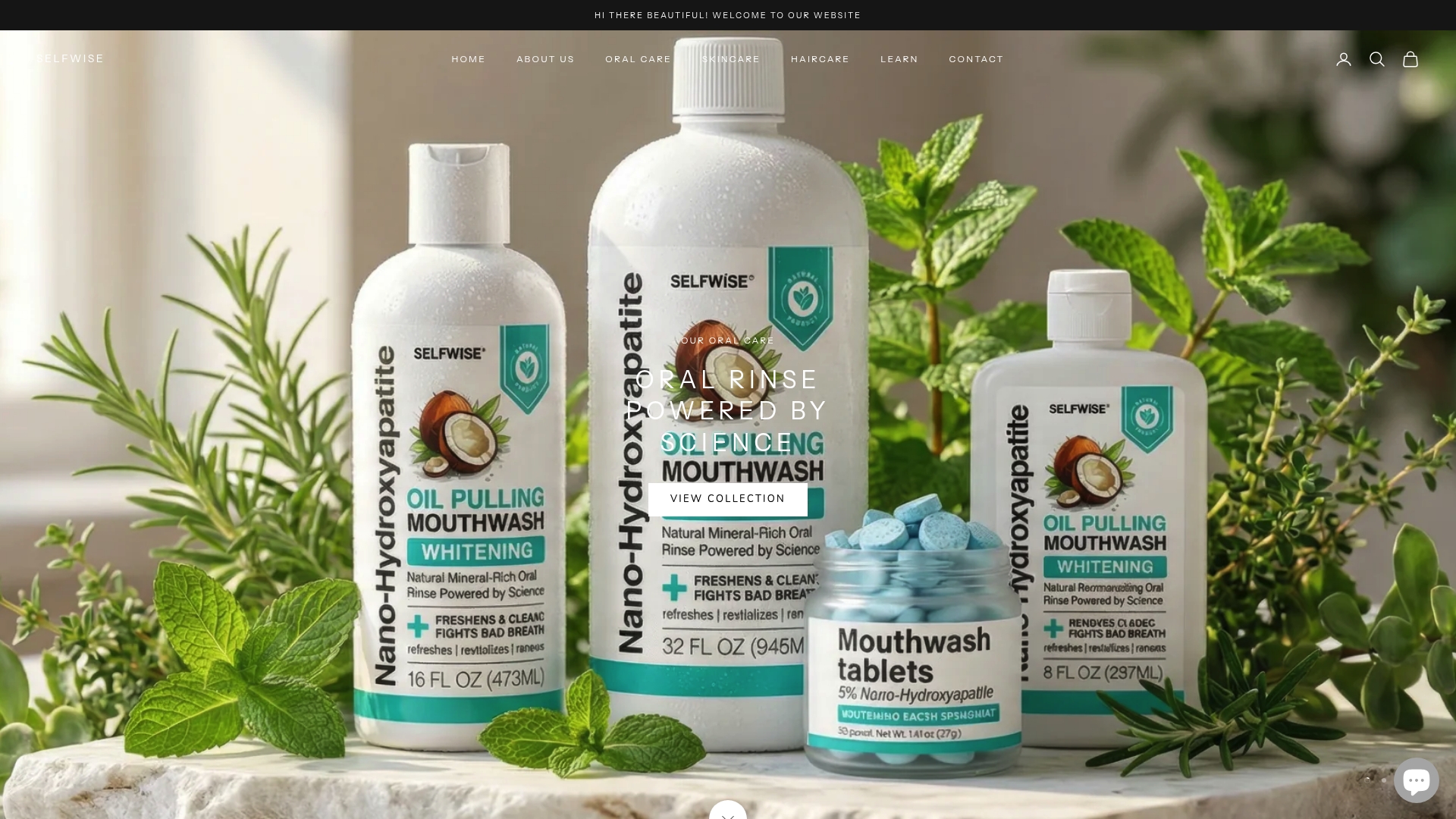
Browse the full range at Selfwise and pick what fits the sequence you chose today.
This article is general information, not a substitute for advice from a qualified doctor. Consult a qualified healthcare professional about your own circumstances before acting on anything here.
FAQ
Should you oil pull before or after brushing your teeth?
Either order can work, because oil pulling is an optional extra. Many people oil pull first, then brush after coffee and breakfast. If you rely on fluoride from toothpaste, brush first and wait a bit before oil pulling.
Is it better to brush your teeth before or after coffee?
Both are acceptable, so choose the one you will keep doing. Brushing before coffee leaves a clean mouth, while brushing after coffee removes the staining compounds the ADA lists for coffee. Whichever you pick, brush for two minutes twice a day.
Why do dentists not recommend oil pulling?
Dentists mostly worry that people will use it instead of proven care. The ADA’s experts call it acceptable as a supplement but problematic when it replaces treatments known to work. Reviews also rate the supporting evidence as low or very low certainty.
Can you drink coffee right after oil pulling?
Yes. Spit the oil into the trash, rinse with water, and your coffee is ready. Nothing in the research sets a required waiting time between oil pulling and your first cup.
Sources
- Mouthhealthy
- Effectiveness of Oil Pulling for Improving Oral Health: A Meta-Analysis
- The effect of oil pulling in comparison with chlorhexidine and other mouthwash interventions in promoting oral health: A systematic review and meta-analysis
- Debunking dental trends | American Dental Association